

ACE inhibitors and Potassium supplements
ACE inhibitors are widely used for hypertension, chronic kidney disease, and heart failure. They lower blood pressure and protect the kidneys in part by reducing angiotensin II and, downstream, aldosterone. Less aldosterone means the kidneys excrete less potassium. Potassium supplements add to the body’s potassium load. Put together, the physiologic effect is additive and can raise serum potassium, sometimes into dangerous ranges (hyperkalemia). Most elevations are mild, but in susceptible people potassium can rise quickly and cause muscle weakness or life‑threatening heart rhythm disturbances. Risk is not evenly distributed. People with chronic kidney disease (impaired potassium excretion), diabetes (hyporeninemic hypoaldosteronism), heart failure (neurohormonal activation and often reduced kidney perfusion), and older adults are at higher risk. Concomitant potassium‑raising drugs—angiotensin receptor blockers, aldosterone antagonists like spironolactone or eplerenone, potassium‑sparing diuretics (amiloride, triamterene), NSAIDs, trimethoprim, and heparin—further increase risk. Observational studies report hyperkalemia episodes in a minority of ACE inhibitor users overall, with substantially higher rates in CKD and heart failure. Labels for ACE inhibitors consistently warn against routine use of potassium supplements because of this interaction. Monitoring is central. The key labs are serum potassium and kidney function (creatinine/eGFR). Clinical guidelines advise checking at baseline and again within 1–2 weeks after starting or changing the dose of an ACE inhibitor, and sooner or more frequently in high‑risk patients or when a potassium supplement is introduced. Many cases of hyperkalemia are silent; when present, symptoms include fatigue, paresthesias, muscle weakness, and palpitations. ECG changes and potassium values generally guide urgency: mild (about 5.1–5.5 mEq/L) often prompts closer follow‑up; moderate (5.6–6.0 mEq/L) typically requires medication and/
Updated September 8, 2026This content is for informational purposes only and does not constitute medical advice. Always consult a qualified healthcare provider before starting, stopping, or changing any supplement or medication regimen.
Shared Risk Factors
Reduced renal potassium excretion (CKD)
Strong EvidenceImpaired kidney function decreases distal nephron potassium secretion. ACE inhibitors further lower aldosterone, compounding reduced excretion; added oral potassium increases total body potassium.
Diabetes mellitus (hyporeninemic hypoaldosteronism)
Strong EvidenceSome people with diabetes have low renin/aldosterone activity, limiting potassium excretion. ACE inhibitors and added potassium load can unmask or worsen hyperkalemia.
Heart failure
Strong EvidenceHeart failure reduces renal perfusion and often coexists with RAAS inhibitor therapy; the net effect is higher baseline potassium risk, especially with concomitant mineralocorticoid receptor antagonists.
Older age
Moderate EvidenceAge‑related decline in GFR and renin–aldosterone responsiveness reduces potassium handling; polypharmacy adds interaction risk.
Concomitant potassium‑raising medications
Strong EvidenceARBs, aldosterone antagonists (spironolactone, eplerenone), potassium‑sparing diuretics (amiloride, triamterene), NSAIDs, trimethoprim, and heparin all reduce renal potassium excretion or shift potassium extracellularly.
High dietary potassium or potassium‑based salt substitutes
Moderate EvidencePotassium chloride salt substitutes and very high‑potassium diets increase intake; in the presence of ACE inhibitor–mediated aldosterone reduction, serum levels can rise.
Comorbidity Data
Prevalence
Hyperkalemia occurs in a minority of ACE inhibitor users overall but is common in high‑risk groups. Large cohorts report potassium ≥5.5 mEq/L in roughly 2–10% of RAAS inhibitor users over follow‑up, with much higher rates in CKD and heart failure populations. Co‑administration with other potassium‑raising agents markedly increases risk; product labels advise avoiding routine potassium supplementation with ACE inhibitors.
Mechanistic Link
ACE inhibitors suppress angiotensin II and aldosterone, reducing distal tubular potassium secretion; oral potassium supplements increase the body’s potassium load. Together they raise serum potassium, particularly when renal excretion is limited (CKD, diabetes, HF) or other interacting drugs are present.
Clinical Implications
Even mild hyperkalemia may prompt ACE inhibitor dose review; moderate–severe elevations can cause conduction abnormalities and require urgent therapy. Newer potassium binders can reduce potassium and support continuation of ACE inhibitors in appropriate patients.
Sources (5)
- Weir MR, Rolfe M. Potassium and renin–angiotensin–aldosterone system inhibitors: risk and management. Cleve Clin J Med. 2019;86(9):601-607.
- AHA/ACC/HFSA 2022 Guideline for the Management of Heart Failure.
- FDA Prescribing Information: Lisinopril (and class labeling) — Warnings on hyperkalemia and potassium supplements.
- Einhorn LM et al. The frequency of hyperkalemia and its significance in CKD. Arch Intern Med. 2009;169(12):1156-1162.
- Juurlink DN et al. Rates of hyperkalemia after RALES. N Engl J Med. 2004;351:543-551.
Medical Perspectives
Two Ways of Seeing Health

Western
scientific · clinical
Western medicine applies science, technology, and clinical experience to treat symptoms through testing, diagnosis, and targeted intervention.
Surgeons · Pharmaceuticals · Clinical trials · Diagnostics 
Eastern
traditional · alternative
Eastern medicine focuses on treating the body naturally by applying traditional knowledge practiced for thousands of years, emphasizing balance and whole-person wellness.
Acupuncture · Herbal medicine · Yoga · Meditation
Gold Bamboo presents both perspectives side-by-side so you can make informed decisions. We don't advocate for one over the other — your health choices are yours.
Two Ways of Seeing Health
Western
scientific · clinical
Western medicine applies science, technology, and clinical experience to treat symptoms through testing, diagnosis, and targeted intervention.
Eastern
traditional · alternative
Eastern medicine focuses on treating the body naturally by applying traditional knowledge practiced for thousands of years, emphasizing balance and whole-person wellness.
Gold Bamboo presents both perspectives side-by-side so you can make informed decisions. We don't advocate for one over the other — your health choices are yours.
Western Perspective
From a Western clinical standpoint, ACE inhibitors predictably raise serum potassium by lowering aldosterone‑mediated renal potassium excretion. Potassium supplements increase total body potassium. Used together—especially in people with impaired renal handling—the interaction elevates the risk of hyperkalemia. This is why drug labels caution against routine potassium supplementation with ACE inhibitors and why guidelines emphasize risk stratification and laboratory monitoring.
Key Insights
- Hyperkalemia risk is highest in CKD, diabetes, heart failure, and older adults, and with concurrent ARBs, MRAs, potassium‑sparing diuretics, NSAIDs, trimethoprim, or heparin (strong evidence).
- Baseline and early follow‑up labs (potassium, creatinine/eGFR) after ACE inhibitor initiation or dose change are standard; abnormal values guide intensity of monitoring and therapy (strong evidence).
- Most hyperkalemia is asymptomatic; ECG changes and potassium thresholds (often ≥6.0–6.5 mEq/L) guide urgency (strong evidence).
- If hyperkalemia develops, clinicians typically address reversible contributors (e.g., potassium supplements, interacting drugs), consider dose adjustments, and use diuretics or potassium binders to enable RAAS inhibitor continuation when benefits are compelling (moderate evidence).
Treatments
- Laboratory monitoring protocols (baseline, 1–2 weeks after initiation or dose changes, periodic thereafter)
- Medication review and deprescribing of avoidable potassium‑raising agents (e.g., OTC potassium chloride, salt substitutes)
- Loop or thiazide diuretics to enhance potassium excretion in selected patients
- Potassium binders (patiromer, sodium zirconium cyclosilicate) to control chronic hyperkalemia and support ACE inhibitor use
- Emergency hyperkalemia therapies in acute care (IV calcium, insulin/glucose, beta‑agonists, bicarbonate as indicated)
Deep Dive
ACE inhibitors improve outcomes in hypertension, chronic kidney disease, and heart failure by interrupting the renin–angiotensin–aldosterone sys... ACE inhibitors improve outcomes in hypertension, chronic kidney disease, and heart failure by interrupting the renin–angiotensin–aldosterone system. A predictable downstream effect is suppression of aldosterone, which reduces potassium secretion in the distal nephron. On their own, ACE inhibitors usually produce small increases in potassium, but the clinical picture changes when excretion is impaired (e.g., CKD, diabetes, heart failure) or when additional potassium burden is introduced. Potassium supplements—whether prescribed for hypokalemia or taken over the counter—add to total body potassium and therefore compound the physiologic effect of aldosterone suppression. The evidence base supports a structured approach to safety. Before initiating an ACE inhibitor or adding a potassium supplement, clinicians assess kidney function, concomitant medications, and baseline potassium. Guidelines recommend rechecking potassium and creatinine/eGFR within 1–2 weeks of starting or adjusting ACE inhibitor doses, and sooner or more frequently in high‑risk patients. Mild hyperkalemia is often asymptomatic and discovered on routine labs; with rising levels, ECG changes and symptoms such as weakness or palpitations may appear. Thresholds help determine urgency: many protocols consider values around 5.5–6.0 mEq/L actionable, and ≥6.0–6.5 mEq/L urgent, especially with ECG changes. When potassium rises, clinicians typically remove modifiable contributors: discontinue potassium supplements and potassium‑based salt substitutes, review for interacting drugs (e.g., NSAIDs, trimethoprim, potassium‑sparing diuretics), and adjust ACE inhibitor dosing based on risk–benefit. Loop or thiazide diuretics can enhance renal potassium excretion in appropriate patients. For persistent or recurrent hyperkalemia where ACE inhibitor benefits are substantial, newer potassium binders (patiromer, sodium zirconium cyclosilicate) offer a strategy to control potassium and maintain RAAS blockade. In acute severe hyperkalemia, standard emergency measures—membrane stabilization with calcium and intracellular shifts with insulin/glucose, beta‑agonists, and bicarbonate when indicated—are employed. Overall, vigilance, patient education about OTC potassium sources, and collaborative care allow many patients to benefit from ACE inhibitors while minimizing hyperkalemia risk.
Sources
- Weir MR, Rolfe M. Cleve Clin J Med. 2019;86(9):601-607.
- AHA/ACC/HFSA 2022 Heart Failure Guideline.
- KDIGO Controversies Conference on Hyperkalemia. Kidney Int. 2020;97(1):42-61.
- FDA Prescribing Information: ACE inhibitors (e.g., Lisinopril).
- OPAL‑HK trial (patiromer). N Engl J Med. 2015;372:211-221.
- HARMONIZE trial (sodium zirconium cyclosilicate). N Engl J Med. 2014;370:158-166.
Eastern Perspective
Traditional Eastern systems do not address pharmaceutical–supplement interactions per se, but integrative practice applies their frameworks to prioritize balance of fluids and minerals and to avoid aggravating factors. Within Traditional Chinese Medicine and Ayurveda, kidney and fluid regulation are central themes; when a biomedical therapy (ACE inhibitor) can raise potassium, integrative clinicians emphasize dietary prudence, avoidance of concentrated potassium sources (including some salt substitutes), and close coordination with laboratory monitoring from biomedicine.
Key Insights
- Diet is a primary lever: high‑potassium foods and potassium‑based salt substitutes can meaningfully affect serum levels in susceptible patients; education and label awareness are emphasized (emerging/traditional).
- Some traditional diuretic herbs are naturally rich in potassium (e.g., dandelion leaf), underscoring the need to review all botanicals with clinicians to avoid unintended potassium load (traditional).
- Integrative care aligns with biomedical guidance to individualize recommendations by kidney function and comorbidities, deferring to lab‑based monitoring for safety (emerging).
- Non‑pharmacologic supports—such as mindful hydration practices and nutrition counseling—are adjuncts; they do not replace medical management when hyperkalemia risk is present (traditional).
Treatments
- Dietary counseling to moderate potassium intake when medically indicated, avoiding potassium‑chloride salt substitutes
- Herbal/natural product review to identify potassium‑rich botanicals and supplements
- Collaborative care between licensed integrative practitioners and prescribers to align with lab monitoring
- Patient education on reading OTC labels for potassium content
Deep Dive
Traditional medical systems emphasize harmony in fluid and mineral balance, a perspective that aligns with modern concerns about potassium when ... Traditional medical systems emphasize harmony in fluid and mineral balance, a perspective that aligns with modern concerns about potassium when ACE inhibitors are used. While Ayurveda and Traditional Chinese Medicine did not anticipate pharmaceutical RAAS blockade, their focus on kidney function, diet, and individualized care integrates naturally with biomedical monitoring. In integrative practice, the first emphasis is on awareness: many "healthy" foods and salt substitutes can be rich in potassium, and certain botanicals (such as dandelion leaf) contain significant minerals. For someone whose biomedical therapy reduces aldosterone and potassium excretion, concentrated sources of potassium—whether in supplements, fortified products, or some herbal preparations—may be inappropriate. Integrative clinicians therefore prioritize careful dietary histories, label literacy, and alignment with laboratory testing to guide safe choices. Non‑pharmacologic strategies—mindful hydration (as medically appropriate), balanced meals, and avoidance of potassium‑chloride salt substitutes—are framed as supportive practices rather than treatments for hyperkalemia. Any use of herbal diuretics or mineral‑containing remedies is reviewed collaboratively with prescribing clinicians because their potassium content and drug interaction profiles vary. This teamwork mirrors the traditional emphasis on individualized care while respecting the evidence that serum potassium must be monitored in those on ACE inhibitors. Where Eastern and Western perspectives converge is the commitment to prevention: reduce avoidable potassium load, educate patients, and tailor recommendations to kidney function and comorbidities. Where they diverge is mainly in language and framework—constitution and energetics versus hormones and nephrons—but both can contribute to safer care when integrated around objective lab monitoring and evidence‑based protocols.
Sources
- National Kidney Foundation. Potassium and Your CKD Diet (patient education).
- WHO Monographs on Selected Medicinal Plants: Taraxacum officinale (noting diuretic use and mineral content).
- Natural Medicines (database): Potassium–drug interaction and potassium content in supplements.
Evidence Ratings
ACE inhibitors raise serum potassium by reducing aldosterone‑mediated excretion.
Weir MR, Rolfe M. Cleve Clin J Med. 2019;86(9):601-607.
Concomitant potassium supplementation with ACE inhibitors increases hyperkalemia risk and is discouraged in product labeling.
FDA Prescribing Information: Lisinopril — Warnings on hyperkalemia and potassium supplements.
CKD, diabetes, heart failure, and older age markedly increase hyperkalemia risk on ACE inhibitors.
KDIGO Controversies Conference on Hyperkalemia. Kidney Int. 2020;97(1):42-61.
Serum potassium and creatinine/eGFR should be checked within 1–2 weeks of starting or changing ACE inhibitor dose.
AHA/ACC/HFSA 2022 Heart Failure Guideline; NICE/Specialist Pharmacy Service monitoring guidance.
Potassium binders (patiromer, sodium zirconium cyclosilicate) reduce serum potassium and can facilitate ongoing RAAS inhibitor therapy.
OPAL‑HK (NEJM 2015); HARMONIZE (NEJM 2014).
NSAIDs, trimethoprim, potassium‑sparing diuretics, and heparin add to the potassium‑raising effect of ACE inhibitors.
Weir MR, Rolfe M. Cleve Clin J Med. 2019;86(9):601-607.
Population data show clinically significant hyperkalemia in a minority of ACE inhibitor users overall, with higher rates in CKD and HF.
Einhorn LM et al. Arch Intern Med. 2009;169(12):1156-1162.
Sources
- Weir MR, Rolfe M. Potassium and renin–angiotensin–aldosterone system inhibitors: risk and management. Cleveland Clinic Journal of Medicine. 2019;86(9):601-607.
- AHA/ACC/HFSA 2022 Guideline for the Management of Heart Failure.
- KDIGO Controversies Conference on Hyperkalemia. Kidney International. 2020;97(1):42-61.
- FDA Prescribing Information: Lisinopril and other ACE inhibitors — Hyperkalemia warnings.
- Einhorn LM, Zhan M, Hsu VD, et al. The frequency of hyperkalemia and its significance in chronic kidney disease. Archives of Internal Medicine. 2009;169(12):1156-1162.
- Juurlink DN, Mamdani MM, Lee DS, et al. Rates of hyperkalemia after publication of the RALES trial. New England Journal of Medicine. 2004;351:543-551.
- Weir MR, Bakris GL, Bushinsky DA, et al. OPAL‑HK: Patiromer in patients with hyperkalemia receiving RAAS inhibitors. New England Journal of Medicine. 2015;372:211-221.
- Kosiborod M, Rasmussen HS, Lavin PT, et al. HARMONIZE: Sodium zirconium cyclosilicate in hyperkalemia. New England Journal of Medicine. 2014;370:158-166.
- Specialist Pharmacy Service (UK). ACE inhibitors and ARBs: monitoring guidance (accessed 2026).
- National Kidney Foundation. Potassium and Your CKD Diet (patient resource).
- Natural Medicines (database): Potassium—safety and interactions (accessed 2026).
Related Topics
Recommended Products

Worst Pills, Best Pills: A Consumer's Guide to Avoiding Drug-Induced Death or Illness: Wolfe, Sid M.
-- Journal of the American Medical Association study, as quoted in The New York Times It is no longer a secret that adverse drug reactions can be dangerous or even fatal, or that doctors often prescri
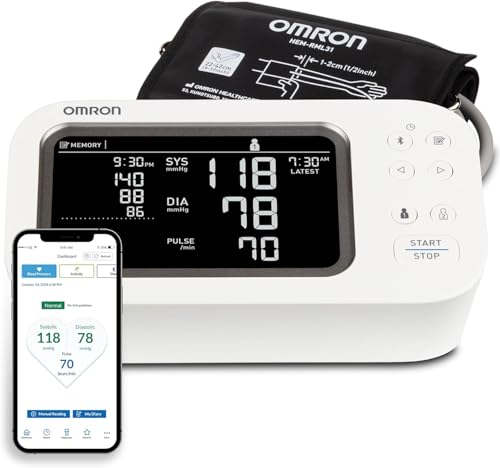
OMRON Platinum Blood Pressure Monitor for Home Use & Upper Arm Blood Pressure Cuff - #1 Doctor & Pharmacist Recommended Brand - Clinically Validated - AFib Detection - Connect App
CONFIDENCE IN EVERY READING: Monitor your heart health with the OMRON Platinum Upper Arm Blood Pressure Monitor's <strong>Advanced Accuracy with AFib Detection Technology</strong>; Store up to 10

MED-E-LERT Automatic Pill Dispenser for Elderly with Alarm and Key Lock Box, Automatic Medication Dispenser - 28 Compartments, Medication Organizer, Pill Organizer with Clear Lid, FSA/HSA Eligibility
3. Close and lock the lid with the key. 4. <strong>When it's time for medication, the dispenser will sound an alarm and flash a light</strong>. 5. Press the dispenser button to release the medica
Health Disclaimer
This content is for informational purposes only and does not constitute medical advice. Always consult a qualified healthcare provider before starting, stopping, or changing any supplement or medication regimen.