

Yoga Therapy
Also known as: Therapeutic Yoga, Yoga Healing, Yoga as Therapy
Overview
Yoga therapy is a therapeutic application of yoga practices—such as postures (asana), breathing techniques (pranayama), meditation, relaxation, and lifestyle/philosophical frameworks—within an individualized health context. Unlike general yoga classes, yoga therapy is typically tailored to a person’s symptoms, functional limitations, stress patterns, goals, and overall health status. It is often explored for concerns such as chronic low back pain, anxiety, stress-related symptoms, mobility limitations, sleep disturbance, and support during chronic illness recovery or management.
As a modality, yoga therapy sits at the intersection of mind-body medicine, rehabilitation, behavioral health, and traditional yogic practice. In modern clinical settings, it may be incorporated into integrative medicine programs, physical rehabilitation, pain management, cancer support services, and mental health care. Research suggests that yoga-based interventions can influence multiple domains at once, including musculoskeletal function, autonomic nervous system regulation, emotional resilience, breathing patterns, body awareness, and perceived quality of life.
One reason yoga therapy has attracted attention is that many chronic health concerns involve both physical and psychophysiological factors. For example, back pain may include muscular deconditioning, fear of movement, altered breathing, poor sleep, and stress amplification. Anxiety may involve cognitive, behavioral, and autonomic components. Yoga therapy is often framed as a whole-person modality because it seeks to address these overlapping layers through carefully selected practices rather than a one-size-fits-all exercise format.
At the same time, yoga therapy is a broad field rather than a single standardized treatment. Methods vary widely depending on the practitioner’s training, lineage, setting, and the client’s health condition. Studies indicate benefit in some populations, but the evidence is not uniform across all conditions, and outcomes can depend on factors such as program intensity, instructor expertise, safety modifications, and participant adherence. For that reason, yoga therapy is generally discussed as a complementary, individualized practice approach rather than a universal solution.
Medical Perspectives
Two Ways of Seeing Health

Western
scientific · clinical
Western medicine applies science, technology, and clinical experience to treat symptoms through testing, diagnosis, and targeted intervention.

Eastern
traditional · alternative
Eastern medicine focuses on treating the body naturally by applying traditional knowledge practiced for thousands of years, emphasizing balance and whole-person wellness.
Gold Bamboo presents both perspectives side-by-side so you can make informed decisions. We don't advocate for one over the other — your health choices are yours.
Western Medicine Perspective
Western / Conventional Medicine Perspective
From a conventional medicine standpoint, yoga therapy is generally categorized as a mind-body or integrative health intervention. Researchers study it as a multimodal practice that may combine gentle physical activity, stretching, strength and balance work, breath regulation, relaxation training, mindfulness, and self-efficacy building. This makes it relevant to conditions where symptoms are influenced by both tissue-level and nervous-system-level processes, including chronic pain, anxiety disorders, stress-related disorders, and some cardiometabolic risk factors.
The strongest clinical research has been in areas such as chronic low back pain, stress reduction, and mental well-being, where randomized trials and systematic reviews suggest modest to moderate improvements in pain, function, stress symptoms, and quality of life for some individuals. There is also growing literature on yoga-informed support for cancer-related symptoms, arthritis, depression, insomnia, balance in older adults, and rehabilitation contexts. Proposed mechanisms include changes in flexibility and strength, vagal tone and autonomic balance, inflammatory signaling, interoception, pain perception, and emotional regulation. However, these mechanisms are still being actively studied, and not all findings are consistent.
Conventional clinicians also emphasize safety, scope, and personalization. Certain postures or breathing practices may not be appropriate for people with acute injuries, uncontrolled cardiovascular conditions, recent surgery, severe osteoporosis, glaucoma, or complex neurologic disease unless appropriately modified. In medical settings, yoga therapy is therefore often viewed as an adjunctive modality that may complement physical therapy, psychotherapy, pain care, or lifestyle medicine when adapted to the individual and coordinated with qualified healthcare professionals.
Eastern & Traditional Perspective
Eastern / Traditional Medicine Perspective
Within traditional yogic philosophy, yoga is not understood solely as exercise but as a comprehensive system for harmonizing body, breath, mind, and consciousness. Yoga therapy draws especially from classical frameworks that view suffering and imbalance as arising from disturbances in physical function, mental fluctuation, habitual patterning, and disconnection from one’s deeper organizing principles. In this context, therapeutic practice may include asana for stability and mobility, pranayama for energetic and nervous system balance, meditation for attention and clarity, and ethical or lifestyle reflection to support resilience and self-regulation.
Traditional approaches often interpret symptoms through patterns of agitation, depletion, stagnation, overexertion, or dysregulated life force rather than through diagnosis alone. A yoga therapist working from an Eastern lens may focus on whether a person needs grounding, calming, warming, cooling, energizing, or restorative practices. The aim is not merely symptom reduction, but improved balance, adaptability, awareness, and alignment with daily rhythms and inner capacity.
Related traditional systems such as Ayurveda may further contextualize yoga therapy through constitutional patterns and functional imbalances, using movement, breath, meditation, and routine to support systemic harmony. In integrative naturopathic and holistic settings, yoga therapy is also valued for cultivating self-observation, breath awareness, rest states, and gentle movement tolerance, especially in chronic stress and long-term illness. While these frameworks are historically grounded and clinically influential in many communities, their explanatory models differ from biomedical science and are only partially captured by modern research methods.
Supplements & Products
Recommended Products

Yoga as Medicine: The Yogic Prescription for Health and Healing: Yoga Journal, McCall, Timothy
Timothy McCall, M.D. is a <strong>board-certified internist, Yoga Journal's Medical Editor since 2002 and the bestselling author of Yoga as Medicine</strong>, and his latest, Saving My Neck: A Do
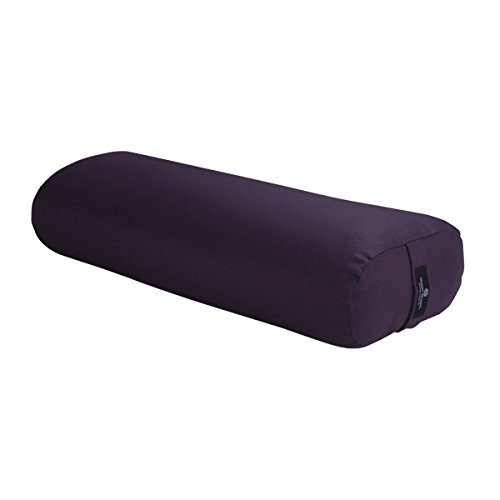
Hugger Mugger Standard Yoga Bolster
Hugger Mugger Standard Yoga Bolster - <strong>Firm, Supportive, Handmade, Durable</strong> · Manduka enlight Bolster Pillow - Yoga Pillow with Machine Washable Microfiber Cover, Curved Design for Opti

Manduka Align Yoga Strap
ALIGN YOGA STRAP: The AligN yoga strap <strong>combines the traditional strap design of the legendary BKS Iyengar</strong>. Made with unbleached natural cotton webbing and an innovative sure-secure in
Evidence & Sources
Promising research with growing clinical support from multiple studies
- National Center for Complementary and Integrative Health (NCCIH)
- Journal of Alternative and Complementary Medicine
- Cochrane Database of Systematic Reviews
- JAMA Internal Medicine
- Annals of Internal Medicine
- International Journal of Yoga Therapy
- BMJ Open
- World Health Organization (WHO)
This content is for informational purposes only and does not constitute medical advice. Always consult a qualified healthcare provider before starting, stopping, or changing any supplement or medication regimen.