

Therapeutic Touch
Also known as: Healing Touch, Therapuetic Touch, Theraputic Tuch
Overview
Therapeutic Touch (TT) is a biofield or energy-healing modality developed in the 1970s by nurse Dolores Krieger and healer Dora Kunz. In a typical session, a practitioner places their hands on or just above the body and uses structured hand movements with the intention of assessing and modulating a person’s energy field. The practice is generally described as involving centering, assessment of energetic imbalance, intervention to rebalance the field, and evaluation of the person’s response. TT is used in some integrative care settings as a complementary approach aimed at supporting relaxation, comfort, and a sense of well-being.
Within the broader landscape of complementary and integrative health, Therapeutic Touch is often grouped with modalities such as Reiki, Healing Touch, and other biofield therapies. Its appeal largely rests on its noninvasive nature and the idea that human beings may possess subtle energetic processes not fully captured by conventional biomedical models. Advocates have traditionally associated TT with reductions in stress, anxiety, pain, and distress, especially in supportive care contexts such as nursing, palliative care, and chronic illness management.
From a public health and clinical perspective, Therapeutic Touch remains a controversial but persistent modality. Interest has been sustained by patient demand for low-risk, holistic therapies and by the growth of integrative medicine programs in hospitals and cancer centers. At the same time, debate continues because the proposed mechanism—balancing a human energy field—has not been established within mainstream physiology, and study results have been mixed. Much of the available literature examines subjective outcomes such as pain, anxiety, mood, and perceived relaxation, which can be influenced by expectation, setting, therapeutic attention, and placebo-related effects.
Current understanding therefore places Therapeutic Touch in a nuanced position: it is widely discussed as a complementary supportive practice, but not accepted as a standalone medical treatment for disease. Research suggests some people report short-term improvements in comfort and anxiety-related symptoms, while systematic reviews have generally found limitations in study quality, inconsistent findings, and difficulty separating specific TT effects from nonspecific healing-context effects. Consultation with qualified healthcare professionals is appropriate when TT is being considered alongside conventional care, particularly for serious or persistent symptoms.
Medical Perspectives
Two Ways of Seeing Health

Western
scientific · clinical
Western medicine applies science, technology, and clinical experience to treat symptoms through testing, diagnosis, and targeted intervention.

Eastern
traditional · alternative
Eastern medicine focuses on treating the body naturally by applying traditional knowledge practiced for thousands of years, emphasizing balance and whole-person wellness.
Gold Bamboo presents both perspectives side-by-side so you can make informed decisions. We don't advocate for one over the other — your health choices are yours.
Western Medicine Perspective
Western / Conventional Medicine Perspective
From the standpoint of conventional medicine, Therapeutic Touch is evaluated primarily through the lenses of clinical outcomes, biological plausibility, and study quality. The central theory of TT—that practitioners can detect and modify a human energy field—does not align with established anatomy, physiology, or biophysics as currently understood. For this reason, mainstream clinicians and researchers generally regard TT as a complementary practice whose reported effects may arise from factors such as focused attention, calming interaction, expectation, relaxation response, and the therapeutic environment rather than from a measurable energy transfer.
Clinical studies have most often examined TT for pain, anxiety, stress, wound healing, and quality of life. Some trials and small studies have reported improvements in subjective symptoms, especially relaxation or reduced distress in short-term settings. However, systematic reviews and evidence assessments have frequently noted methodological issues, including small sample sizes, inconsistent controls, lack of blinding, variable practitioner technique, and publication bias. These limitations make it difficult to draw firm conclusions about efficacy beyond placebo or contextual effects.
In conventional practice, when TT is included in integrative care, it is typically framed as a supportive wellness intervention rather than a disease-targeting therapy. Hospitals or clinics that offer biofield therapies may do so for patient comfort, stress reduction, or supportive oncology and palliative care services. Standard medical guidance emphasizes that such modalities are not substitutes for diagnosis, evidence-based treatment, or urgent medical evaluation. Clinicians commonly encourage open communication about complementary therapy use so that care remains coordinated and safe.
Eastern & Traditional Perspective
Eastern / Traditional Medicine Perspective
From Eastern and traditional healing perspectives, Therapeutic Touch is often interpreted through the broader concept that health involves the balanced flow of vital life energy. Although TT itself is a modern modality rather than an ancient classical practice, its framework resonates with long-standing ideas found in Traditional Chinese Medicine (qi), Ayurveda (prana), Japanese healing traditions (ki), and other systems that view the body, mind, and spirit as interconnected. In these paradigms, illness or distress may be understood as reflecting imbalance, stagnation, depletion, or disharmony in the person’s energetic state.
Practitioners working from an integrative or traditional lens may describe Therapeutic Touch as helping to settle the nervous system, restore energetic harmony, and support the body’s inherent healing capacity. The practitioner’s intention, focused awareness, and compassionate presence are often considered central components of the therapeutic process. Rather than isolating disease mechanisms alone, these systems commonly emphasize patterns of imbalance, emotional state, environmental stressors, and constitutional resilience.
In naturopathic and holistic nursing contexts, TT may also be viewed as part of a whole-person care model that includes touch, presence, and relational healing. Traditional systems generally place less emphasis on mechanistic proof in biomedical terms and more on observed changes in relaxation, perceived energy, emotional balance, and overall well-being. Even so, responsible integrative practitioners typically acknowledge that traditional theories and modern scientific validation are not the same, and that serious conditions warrant evaluation by appropriately trained medical professionals.
Supplements & Products
Recommended Products
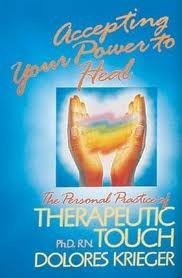
The Therapeutic Touch: How to Use Your Hands to Help or to Heal: Krieger, Dolores Ph.D. R.N., By Drawings
The Therapeutic Touch <strong>shows you how you can use your hands to help or to heal someone who is sick</strong>.By explaining what happens during the four different stages of therapeutic touching.

Saloniture Professional Portable Lightweight Bi-Fold Memory Foam Massage Table with Reiki Panels - Includes Headrest, Face Cradle, Armrests and Carrying Case - Black
Amazon.com: <strong>Saloniture Professional Portable Lightweight Bi-Fold Memory Foam Massage Table with Reiki Panels</strong> - Includes Headrest, Face Cradle, Armrests and Carrying Case - Black : Bea
Evidence & Sources
Early-stage research, mostly preclinical or preliminary human studies
- National Center for Complementary and Integrative Health (NCCIH)
- Cochrane Database of Systematic Reviews
- Journal of Advanced Nursing
- Cancer Nursing
- Nursing Research
- American Cancer Society
- Journal of Alternative and Complementary Medicine
- BMJ
This content is for informational purposes only and does not constitute medical advice. Always consult a qualified healthcare provider before starting, stopping, or changing any supplement or medication regimen.