

Thai Massage
Also known as: Thai Yoga Massage, Traditional Thai Massage
Overview
Thai massage is a traditional bodywork modality that originated in Thailand and is often described as a blend of assisted stretching, rhythmic compression, joint mobilization, and acupressure-like pressure techniques. Unlike many table-based massage styles, it is commonly performed on a mat with the recipient fully clothed, and sessions may involve the practitioner guiding the body through yoga-like positions while applying pressure with the hands, thumbs, elbows, forearms, knees, or feet. People often seek Thai massage for muscle tightness, reduced flexibility, stress, perceived low energy, and general wellness.
In contemporary wellness settings, Thai massage is often positioned between massage therapy, manual therapy, and movement-based bodywork. Its appeal partly comes from the way it combines passive stretching with sustained pressure and flowing sequences, which may create a sense of both relaxation and invigoration. Some individuals report short-term improvements in range of motion, comfort, body awareness, and stress reduction after sessions. As with other hands-on modalities, experiences vary based on practitioner training, technique intensity, session length, and the individual’s health status.
Thai massage is also significant because it reflects a broader medical tradition rather than a single technique. In Thai healing systems, the practice has historically been connected to concepts of energy flow, balance, and whole-body wellbeing. Modern practice ranges from traditional forms taught in temple-based and lineage settings to clinical adaptations used in spas, rehabilitation contexts, and integrative health environments. Because methods differ considerably, research findings on “Thai massage” can be difficult to generalize across all styles.
From a safety and health-information standpoint, Thai massage is generally discussed as a complementary wellness modality, not a replacement for medical care. Research suggests possible benefits for some people with nonspecific musculoskeletal discomfort, stress, or limited flexibility, but the evidence base is mixed and often based on small trials. Individuals with fractures, severe osteoporosis, bleeding disorders, acute injury, certain spinal conditions, pregnancy-related considerations, or recent surgery are commonly advised in clinical settings to consult qualified healthcare professionals before receiving vigorous bodywork.
Medical Perspectives
Two Ways of Seeing Health

Western
scientific · clinical
Western medicine applies science, technology, and clinical experience to treat symptoms through testing, diagnosis, and targeted intervention.

Eastern
traditional · alternative
Eastern medicine focuses on treating the body naturally by applying traditional knowledge practiced for thousands of years, emphasizing balance and whole-person wellness.
Gold Bamboo presents both perspectives side-by-side so you can make informed decisions. We don't advocate for one over the other — your health choices are yours.
Western Medicine Perspective
Western / Conventional Medicine Perspective
From a conventional medicine perspective, Thai massage is understood primarily through biomechanical, neuromuscular, and psychophysiological effects rather than energy-line theory. The assisted stretching components may temporarily improve joint range of motion and perceived muscle extensibility, while rhythmic pressure and compression may influence muscle tone, local circulation, pain perception, and relaxation responses. Researchers also examine whether massage-based interventions affect the autonomic nervous system, stress hormones, mood, and subjective wellbeing.
Clinical research on Thai massage is most often focused on musculoskeletal symptoms, especially back pain, neck and shoulder tension, and flexibility limitations. Some studies indicate that Thai massage may offer short-term improvements in pain, function, or mobility comparable to other conservative manual therapies in select populations. However, study quality is variable, sample sizes are often modest, and treatment protocols are not standardized. As a result, conventional medicine generally views Thai massage as a potentially useful adjunctive therapy rather than a first-line or universally established intervention.
Safety is an important part of the western medical lens. Because Thai massage can involve deep pressure, end-range stretching, and body positioning, clinicians often consider whether it is appropriate for people with joint instability, disc-related symptoms, osteoporosis, clotting risk, neuropathy, or acute inflammation. In integrative care settings, it may be discussed alongside physical therapy, exercise therapy, stress management, and other supportive approaches, with emphasis on practitioner qualifications and individualized risk assessment.
Eastern & Traditional Perspective
Eastern / Traditional Medicine Perspective
In traditional Thai medicine, Thai massage is often known as Nuad Thai or Nuad Boran and is rooted in a holistic view of health that integrates body, energy, movement, and balance. A central concept is the network of sen lines, often described as pathways through which vital energy flows. Within this framework, discomfort, stiffness, and fatigue may be interpreted as signs of blockage or imbalance along these lines, and the therapist uses pressure, stretching, and movement to help restore harmonious flow.
Traditional practice typically treats the body as an interconnected whole rather than isolating a single painful area. Sequences may follow established line patterns and emphasize opening the body, improving circulation, calming or energizing the system, and supporting overall equilibrium. The experience is frequently described as both meditative and therapeutic, reflecting the historical overlap between Thai healing arts, Buddhist cultural influences, and embodied wellness practices.
Related traditional systems may interpret Thai massage through their own frameworks. Ayurvedic-oriented practitioners sometimes emphasize effects on vitality, circulation, and constitutional balance, while naturopathic and integrative practitioners may describe it as supporting self-regulation, mobility, and stress resilience. These perspectives do not rely primarily on modern biomedical mechanisms, but on longstanding therapeutic models in which touch, breath, energy flow, and structural openness are understood as mutually reinforcing aspects of health. Traditional use is extensive, though the historical basis is broader than the modern clinical evidence base.
Supplements & Products
Recommended Products
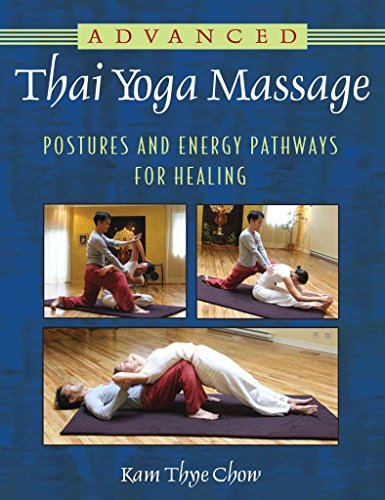
Advanced Thai Yoga Massage: Postures and Energy Pathways for Healing: Chow, Kam Thye
This comprehensive guide also ... them into sessions for deeper healing. KAM THYE CHOW, <strong>one of the first Thai Yoga Massage practitioners in North America</strong>, has taught Thai massage in T
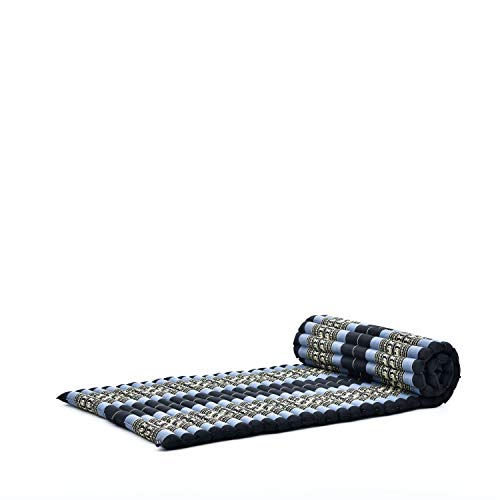
Leewadee - Foldable Floor Mattress - Japanese Roll Up Futon -Trifold Tatami Mat- Guest Floor Bed - Camping Mattress - Thai Massage Mat, Kapok Filled, 75 x 20 inches, Black
Buy Leewadee - Foldable Floor Mattress - Japanese Roll Up Futon -Trifold Tatami Mat- Guest Floor Bed - Camping Mattress - Thai Massage Mat, Kapok Filled, 75 x 20 inches, Black: Futon Mattresses - Amaz

Tamegems Craft Pack of 20 Small Thai Spa Herbal Massage Compress Ball Warm Hot Therapy LUK Pra KOB 100 g.
<strong>Pack of 12 Large Thai Spa Herbal Massage Compress Ball Warm Hot Therapy LUK Pra KOB 200 g</strong>.
Evidence & Sources
Promising research with growing clinical support from multiple studies
- National Center for Complementary and Integrative Health (NCCIH)
- World Health Organization (WHO) Traditional, Complementary and Integrative Medicine resources
- Journal of Bodywork and Movement Therapies
- Complementary Therapies in Clinical Practice
- Evidence-Based Complementary and Alternative Medicine
- Clinical Rehabilitation
- Pain Medicine
- Journal of Alternative and Complementary Medicine
This content is for informational purposes only and does not constitute medical advice. Always consult a qualified healthcare provider before starting, stopping, or changing any supplement or medication regimen.