

Tai Chi
Also known as: Taiji, Tai Ji, Tai Qi
Overview
Tai Chi is a traditional Chinese mind-body practice that combines slow, flowing movements, postural alignment, breath awareness, and focused attention. Originating as an internal martial art, it has evolved into a widely practiced health modality used for movement training, stress reduction, balance support, and meditative practice. Multiple styles exist—including Chen, Yang, Wu, and Sun—but most health-oriented forms emphasize gentle, low-impact sequences that can often be adapted for different ages and physical abilities.
In modern health contexts, Tai Chi is often described as a form of moving meditation. Its significance lies in the way it integrates several therapeutic elements at once: light-to-moderate physical activity, coordination training, proprioceptive challenge, diaphragmatic breathing, and attentional regulation. This combination has made it of interest in research on healthy aging, fall prevention, musculoskeletal discomfort, cardiovascular health, mood, sleep, and quality of life. It is especially prominent in discussions of nonpharmacologic approaches to maintaining function in older adults.
Research suggests Tai Chi may offer broad but generally modest, meaningful benefits across multiple domains of health, particularly where balance, mobility, and stress resilience are concerned. Studies have examined its use in people with osteoarthritis, chronic pain, Parkinson disease, heart failure, chronic obstructive pulmonary disease, fibromyalgia, anxiety, and depression, among other conditions. At the same time, outcomes vary depending on the style practiced, instructor experience, class frequency, and participant health status, so findings are not identical across all studies.
Tai Chi is generally regarded as a low-risk modality when practiced appropriately, though individual considerations still matter. People with significant mobility limitations, recent injuries, unstable cardiovascular conditions, or neurological disorders are often advised in conventional care settings to discuss new exercise practices with a qualified healthcare professional. From a public health standpoint, Tai Chi is notable because it is accessible, inexpensive in many settings, and can be practiced individually or in groups, supporting both physical and social well-being.
Medical Perspectives
Two Ways of Seeing Health

Western
scientific · clinical
Western medicine applies science, technology, and clinical experience to treat symptoms through testing, diagnosis, and targeted intervention.

Eastern
traditional · alternative
Eastern medicine focuses on treating the body naturally by applying traditional knowledge practiced for thousands of years, emphasizing balance and whole-person wellness.
Gold Bamboo presents both perspectives side-by-side so you can make informed decisions. We don't advocate for one over the other — your health choices are yours.
Western Medicine Perspective
Western Medicine Perspective
From a conventional medicine perspective, Tai Chi is typically classified as a multicomponent exercise and mind-body intervention. Rather than being viewed primarily through its martial origins, it is studied for measurable effects on balance, gait, lower-extremity strength, flexibility, functional mobility, pain perception, autonomic regulation, and psychological well-being. Researchers often compare Tai Chi with standard exercise, physical therapy, health education, or usual care to assess its impact on clinical outcomes.
One of the strongest areas of interest is fall prevention and balance support in older adults. Meta-analyses and guideline discussions have found that Tai Chi can improve balance confidence, postural control, and functional mobility, with evidence suggesting a reduction in fall risk in some populations. It has also been investigated in knee osteoarthritis and chronic musculoskeletal pain, where studies indicate potential improvements in pain, stiffness, and function, likely through a combination of gentle strengthening, joint movement, body awareness, and reduced fear of movement.
Conventional medicine also evaluates Tai Chi through the lens of behavioral and physiologic mechanisms. Proposed mechanisms include improved neuromuscular coordination, enhanced proprioception, reduced sympathetic arousal, better breathing efficiency, and effects on mood and stress pathways. Some research suggests benefits for anxiety, depressive symptoms, sleep quality, and quality of life, though study quality is mixed and placebo, expectancy, and social participation effects can be difficult to fully separate. Even so, Tai Chi is often considered a reasonable adjunctive wellness practice in integrative care models because it combines movement with relaxation and cognitive engagement.
Clinical caveats remain important. Trials vary considerably in intensity, duration, style, and instructor training, which limits standardization. For that reason, conventional medicine generally frames Tai Chi as a supportive, nonpharmacologic modality rather than a standalone treatment for disease. Healthcare professionals may consider it within broader plans for physical activity, rehabilitation, and stress management, while recognizing that individual suitability depends on diagnosis, fall risk, pain severity, and overall medical status.
Eastern & Traditional Perspective
Eastern and Traditional Medicine Perspective
In Traditional Chinese Medicine (TCM), Tai Chi is understood as more than exercise; it is a practice for cultivating and harmonizing qi, regulating breath, calming the mind, and integrating intention with movement. Traditional theory holds that smooth, continuous motion supports the balanced flow of qi and blood through the channels, while mental focus helps settle shen (spirit or mind). In this framework, Tai Chi is traditionally used to support vitality, resilience, internal balance, and the relationship between body and consciousness.
Tai Chi is closely related to other classical Chinese health arts such as Qigong. While Qigong may involve static or repetitive exercises, Tai Chi typically uses linked forms with shifting weight, rooted stance, and coordinated arm patterns. Traditional practitioners often describe its effects in terms of balancing yin and yang, strengthening the center, improving groundedness, and refining internal awareness. The emphasis on relaxation without collapse, effort without strain, and attention without agitation reflects long-standing East Asian principles of cultivating health through moderation and harmony.
Broader traditional and integrative systems often interpret Tai Chi in ways that overlap with their own frameworks. In Ayurvedic or naturopathic discussions, for example, Tai Chi may be seen as a gentle regulatory practice that supports nervous system balance, mindful breathing, circulation, and adaptability to stress. These interpretations do not rely on the same classical language as TCM, but they similarly value Tai Chi as a practice that links movement, awareness, and self-regulation.
Within Eastern traditions, the benefits of Tai Chi are not usually reduced to a single symptom-based outcome. Instead, it is regarded as a whole-person modality that may support physical steadiness, emotional regulation, mental clarity, and healthy aging over time. As with any traditional practice applied in modern settings, experienced instruction, attention to form, and consideration of individual constitution and health status are commonly emphasized.
Supplements & Products
Recommended Products
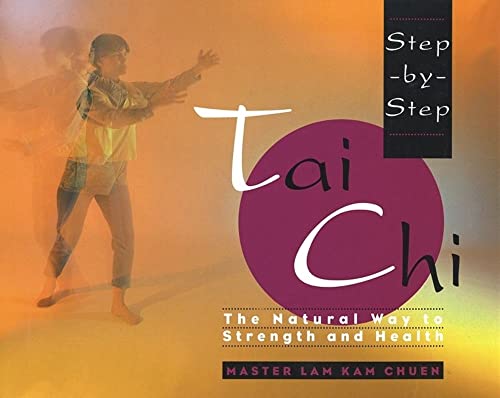
The Harvard Medical School Guide to Tai Chi: 12 Weeks to a Healthy Body, Strong Heart, and Sharp Mind (Harvard Health Publications): Wayne, Peter, Fuerst, Mark L.
Peter M. Wayne, a longtime T’ai ... School, <strong>developed and tested protocols similar to the simplified program he includes in this book, which is suited to people of all ages, and can be done in
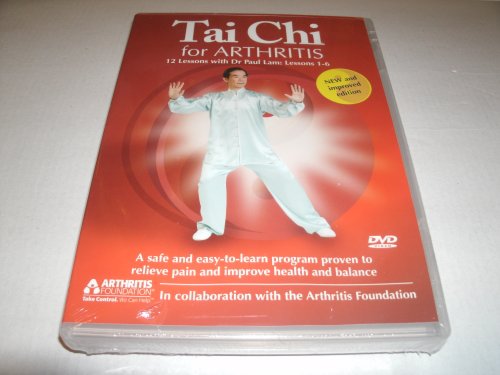
Tai Chi for Arthritis - 12 Lessons with Dr. Paul Lam : Dr. Paul Lam, Dr. Paul Lam: Movies & TV
After a brief introduction of what Tai Chi for Arthritis is and how this DVD can benefit you, Dr Lam will teach you with step-by-step instructions, lead you to practice and explain the reason behind e
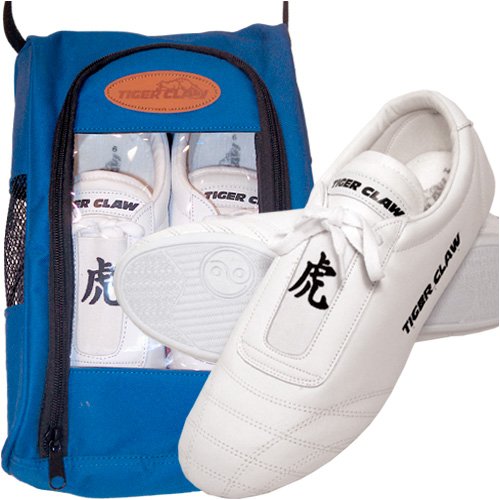
Tiger Claw White Martial Art Shoes Size 11 : Boxing And Martial Arts Foot Gear
Tiger Claw Martial Arts Shoes made of soft leather. Available in White and Black colors. <strong>Specially designed sole for a better grip on the floor</strong>. Tiger Claw's "yin yang"
Evidence & Sources
Promising research with growing clinical support from multiple studies
- National Center for Complementary and Integrative Health (NCCIH)
- British Journal of Sports Medicine
- Journal of the American Geriatrics Society
- Annals of Internal Medicine
- The New England Journal of Medicine
- Cochrane Database of Systematic Reviews
- Harvard Health Publishing
- World Health Organization (WHO)
This content is for informational purposes only and does not constitute medical advice. Always consult a qualified healthcare provider before starting, stopping, or changing any supplement or medication regimen.