

Somatic Experiencing
Also known as: Somatic Experience, Sommatic Experiencing, Somatics
Overview
Somatic Experiencing (SE) is a body-oriented therapeutic modality developed by Peter A. Levine that focuses on how stress and trauma are held and expressed in the nervous system. Rather than centering only on verbal recounting of difficult events, SE emphasizes interoception, bodily sensation, autonomic regulation, and gradual processing of physiological activation. The core idea is that traumatic stress may persist when the body's natural defensive and self-regulating responses become disrupted or incomplete, contributing to symptoms such as hyperarousal, shutdown, anxiety, sleep disturbance, chronic tension, and difficulty feeling safe or present.
In contemporary trauma care, SE is often discussed alongside other bottom-up approaches that work with the body as well as the mind. Sessions typically involve guided attention to sensations, impulses, posture, breath, and shifts in activation, often using concepts such as titration (approaching distress in small amounts) and pendulation (moving between activation and regulation). Research and clinical interest in these methods has grown as trauma science has increasingly recognized the role of the autonomic nervous system, including fight, flight, freeze, and collapse responses, in shaping long-term symptoms.
SE is used in a range of contexts, including support for people with post-traumatic stress symptoms, accident-related distress, developmental trauma, medical trauma, grief, and chronic stress-related dysregulation. It is not generally framed as a stand-alone cure, and its role may vary depending on the individual's history, symptom severity, and access to integrated care. Many clinicians view body-based therapies as potentially useful components of a broader trauma-informed framework that can also include psychotherapy, social support, rehabilitation, and when appropriate, conventional psychiatric or medical care.
Because trauma can affect multiple systems at once—emotional, cognitive, physical, and relational—SE is often described as a modality that aims to help restore capacity, resilience, and nervous-system flexibility rather than simply suppress symptoms. At the same time, the evidence base is still evolving. While early studies suggest potential benefits for trauma-related symptoms and stress regulation, major health organizations generally regard body-oriented trauma therapies as promising but variably studied, underscoring the importance of working with qualified practitioners and consulting licensed healthcare professionals for diagnosis and comprehensive treatment planning.
Medical Perspectives
Two Ways of Seeing Health

Western
scientific · clinical
Western medicine applies science, technology, and clinical experience to treat symptoms through testing, diagnosis, and targeted intervention.

Eastern
traditional · alternative
Eastern medicine focuses on treating the body naturally by applying traditional knowledge practiced for thousands of years, emphasizing balance and whole-person wellness.
Gold Bamboo presents both perspectives side-by-side so you can make informed decisions. We don't advocate for one over the other — your health choices are yours.
Western Medicine Perspective
Western / Conventional Medicine Perspective
From a conventional perspective, Somatic Experiencing is typically understood within the broader field of trauma-focused and somatic psychotherapies. Western neuroscience and psychiatry increasingly recognize that trauma can involve altered autonomic regulation, heightened threat perception, dissociation, and persistent changes in arousal patterns. SE's focus on bodily sensation aligns with theories involving the autonomic nervous system, interoceptive awareness, stress physiology, and psychophysiological self-regulation. Its methods are often discussed in relation to polyvagal-informed thinking, although not all aspects of that framework are uniformly accepted across mainstream medicine.
In clinical settings, SE may be used as an adjunctive psychotherapy approach for individuals with PTSD symptoms, subthreshold trauma symptoms, anxiety, and somatic manifestations of stress. Some preliminary studies and practice-based reports indicate reductions in trauma-related distress, improved emotional regulation, and enhanced body awareness. However, compared with better-established trauma treatments such as trauma-focused cognitive behavioral therapy, cognitive processing therapy, prolonged exposure, and EMDR, SE has a smaller research base. Conventional medicine generally places it in the category of promising but less extensively validated modalities rather than first-line evidence leaders.
A western clinical lens also emphasizes safety, screening, and scope of practice. Trauma survivors may have co-occurring depression, substance use disorders, chronic pain, dissociation, cardiovascular concerns, or neurological symptoms that require assessment beyond a body-based therapy model. For this reason, SE is often considered most appropriate within a trauma-informed, multidisciplinary context, especially for complex or severe presentations. Healthcare providers may evaluate whether body-oriented work complements other forms of care, and whether additional psychiatric, psychological, or medical support is needed.
Eastern & Traditional Perspective
Eastern / Traditional Medicine Perspective
From an eastern and traditional lens, Somatic Experiencing resonates strongly with long-standing views that mind and body are inseparable and that distress is not only cognitive or emotional but also embedded in the body's patterns, rhythms, and vitality. Although SE itself is a modern modality rather than a classical traditional system, its emphasis on sensing internal states, restoring regulation, and completing interrupted defensive responses parallels themes found in Traditional Chinese Medicine (TCM), Ayurveda, yoga-based healing traditions, and naturopathic mind-body care.
In TCM, trauma and chronic stress are often understood as disruptions in the harmonious flow of qi, with possible effects on the Heart, Liver, Kidney, and Shen. Symptoms such as agitation, vigilance, fatigue, insomnia, shallow breathing, and muscular holding may be interpreted as patterns of stagnation, depletion, or dysregulated spirit-mind activity. SE's attention to subtle bodily shifts and gradual restoration of ease can be seen as compatible with traditional goals of re-establishing flow, grounding, and internal balance.
In Ayurveda and yoga-informed frameworks, trauma may be associated with disturbance in the nervous system, depletion of resilience, and imbalance in qualities linked to movement, instability, or reactivity—often discussed through the lens of vata aggravation. Practices that cultivate body awareness, pacing, breath, and a sense of safety are traditionally valued for helping restore steadiness and embodied presence. Similarly, naturopathic and integrative practitioners often view body-oriented trauma therapies as part of a broader effort to support the self-regulating capacity of the organism.
Traditional systems generally do not frame healing solely as symptom elimination; they often emphasize regulation, integration, and restoration of relationship between body, mind, and environment. In that sense, SE is frequently seen as philosophically aligned with eastern approaches, even though it emerged from modern trauma theory. As with any trauma-focused work, traditional and integrative practitioners commonly stress the importance of individualized care, pacing, and collaboration with licensed mental health or medical professionals when symptoms are intense, persistent, or complex.
Supplements & Products
Recommended Products
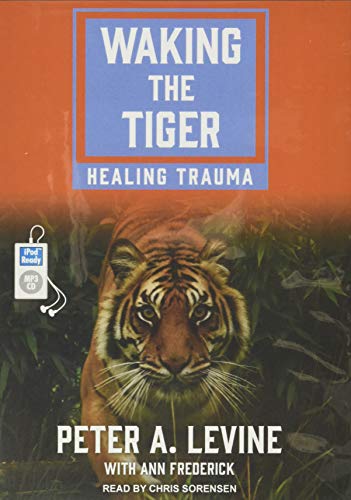
Waking the Tiger: Healing Trauma: Peter A. Levine, Ann Frederick
Waking the Tiger <strong>normalizes the symptoms of trauma and the steps needed to heal them</strong>. Peter Levine, Ph.D. is the originator and developer of Somatic Experiencing® and the Director of
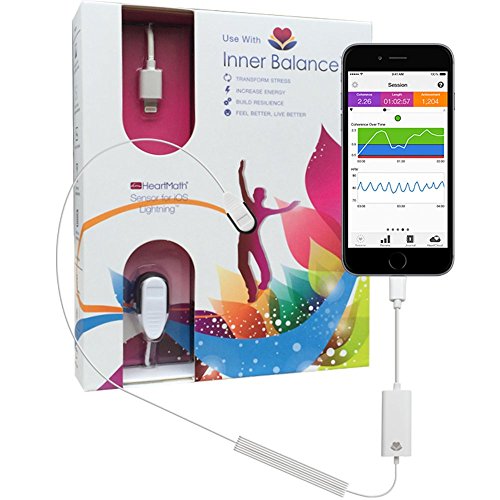
HeartMath Inner Balance Lightning
Research shows that when we are ... improved cognitive function. Inner Balance <strong>uses HeartMath's patented technology to monitor the subtle beat-to-beat changes in your heart rhythms</stron

YOGA TUNE UP® Therapy Balls in Tote by Tune Up Fitness - Massage Balls for Trigger Point, Pressure Point & Myofascial Release - Use as Single or Peanut Ball for Pain Relief & Relaxation (Aqua Blue)
<strong>Proven Effective for Myofascial Release, Deep Tissue Pressure, Yoga & Trigger Point Treatments</strong>. Set - 2 Extra Firm Balls W/Mesh Bag. Tune Up Fitness – Therapy Ball PLUS Pair in To
Evidence & Sources
Early-stage research, mostly preclinical or preliminary human studies
- Frontiers in Psychology
- European Journal of Psychotraumatology
- Journal of Traumatic Stress
- Traumatology
- National Center for PTSD (U.S. Department of Veterans Affairs)
- National Center for Complementary and Integrative Health (NCCIH)
- World Health Organization (WHO)
- Levine PA. Waking the Tiger
This content is for informational purposes only and does not constitute medical advice. Always consult a qualified healthcare provider before starting, stopping, or changing any supplement or medication regimen.