

Shiatsu
Also known as: Shiatsu Massage, Japanese Acupressure
Overview
Shiatsu is a Japanese bodywork modality that uses finger pressure, palm pressure, assisted stretching, joint mobilization, and rhythmic manual techniques to support relaxation, comfort, and a sense of whole-body balance. The term is often translated as "finger pressure," but modern Shiatsu typically involves more than static pressure alone. It developed in Japan through a blending of traditional East Asian medical ideas, hands-on therapeutic traditions such as anma, and, in some schools, concepts informed by modern anatomy and physiology. In practice, sessions may be performed on a mat or treatment table, often through light clothing, and generally emphasize the body as an interconnected system rather than focusing only on a single symptom.
People commonly seek Shiatsu for stress, fatigue, muscular tension, sleep difficulties, headaches, back or neck discomfort, and general wellness support. It is also used in some integrative settings as a complementary modality for improving relaxation and quality of life. A defining feature of many Shiatsu traditions is attention to meridians or energetic pathways, with practitioners applying pressure along specific channels and points while also observing posture, breathing, movement patterns, and areas of tightness or depletion. Depending on the style, treatment may be gentle and meditative or more structurally oriented and dynamic.
From a public health perspective, Shiatsu fits within the broader category of complementary and integrative manual therapies. Research on Shiatsu is smaller than the evidence base for massage therapy, physical therapy, or acupuncture, and studies vary in quality, methods, and treatment style. Even so, available literature suggests Shiatsu may be associated with short-term improvements in stress, perceived well-being, pain, and relaxation-related outcomes for some individuals. Because findings are heterogeneous and many studies are small, the modality is generally viewed as promising but not definitively established for most clinical conditions.
Shiatsu is best understood as a whole-person supportive practice rather than a single disease-specific intervention. Conventional medicine may interpret its effects through mechanisms such as modulation of the autonomic nervous system, reduced muscle guarding, therapeutic touch, and nonspecific contextual factors. Traditional frameworks describe it in terms of balancing qi (ki) and supporting the harmonious flow of energy through the body. Both perspectives, despite different explanatory models, recognize the importance of touch, rest, body awareness, and the relationship between physical and emotional tension. Anyone considering Shiatsu for a health concern is generally encouraged to discuss it with a qualified healthcare professional, particularly in the presence of complex medical conditions, injury, pregnancy, or ongoing treatment.
Medical Perspectives
Two Ways of Seeing Health

Western
scientific · clinical
Western medicine applies science, technology, and clinical experience to treat symptoms through testing, diagnosis, and targeted intervention.

Eastern
traditional · alternative
Eastern medicine focuses on treating the body naturally by applying traditional knowledge practiced for thousands of years, emphasizing balance and whole-person wellness.
Gold Bamboo presents both perspectives side-by-side so you can make informed decisions. We don't advocate for one over the other — your health choices are yours.
Western Medicine Perspective
Western / Conventional Medicine Perspective
From a conventional standpoint, Shiatsu is usually categorized as a manual therapy or complementary bodywork practice. Its potential effects are often discussed in relation to mechanical, neurological, and psychophysiological pathways. Pressure and stretching may influence soft tissue tone, joint mobility, circulation, and body awareness, while the therapeutic setting may support parasympathetic activation, perceived relaxation, and reduced stress reactivity. Researchers also consider the role of expectation, therapeutic alliance, and the broader contextual effects that accompany hands-on care.
Clinical research on Shiatsu remains limited and mixed. Some studies and reviews suggest possible benefit for pain, anxiety, fatigue, sleep quality, and quality-of-life measures, but the evidence is constrained by small sample sizes, inconsistent protocols, variable practitioner training, and difficulty blinding participants in manual therapy research. As a result, conventional medicine does not generally treat Shiatsu as a first-line evidence-based intervention for specific diseases, but it may be considered within integrative care frameworks as a supportive therapy for comfort and stress management. Safety is generally considered favorable when provided by a trained practitioner, though caution is commonly noted for people with fractures, severe osteoporosis, bleeding disorders, acute injury, certain cardiovascular conditions, or other situations where pressure-based bodywork may not be appropriate.
In integrative medicine settings, Shiatsu may be discussed similarly to other touch therapies: not as a replacement for medical diagnosis or standard treatment, but as a modality that may contribute to symptom relief, relaxation, and patient-centered supportive care. Healthcare providers commonly emphasize individualized assessment and appropriate referral when symptoms are persistent, progressive, or medically unexplained.
Eastern & Traditional Perspective
Eastern / Traditional Medicine Perspective
In traditional East Asian frameworks, Shiatsu is understood as a practice that works with the body's vital energy—called qi in Chinese traditions and ki in Japanese traditions—as it moves through meridians. Health is often described as a state of dynamic balance, while discomfort or illness may be viewed as reflecting stagnation, deficiency, excess, or disharmony in energetic flow. Through sustained pressure, contact, stretching, and attentive observation, the practitioner aims to help restore smoother circulation of energy and support the body's inherent regulatory capacity.
Different schools of Shiatsu place different emphasis on diagnosis and technique. Some styles are closely tied to Traditional Chinese Medicine theory, including yin-yang balance and the functional relationships of organ systems such as Liver, Spleen, Kidney, and Lung. Others, such as Zen Shiatsu, may focus more on experiential assessment of meridian patterns, abdominal diagnosis, posture, and the felt quality of areas that appear full, empty, tense, or weak. In these traditions, symptoms such as fatigue, stress, digestive upset, headaches, or muscular tightness may be interpreted not only as local issues but as signs of broader systemic imbalance.
Related traditional systems, including Ayurveda and naturopathic bodywork traditions, share some conceptual overlap with Shiatsu in viewing touch as a way to encourage circulation, calm the nervous system, and support the body's self-regulating processes. While the explanatory language differs—such as prana, dosha balance, or vital force—the broader theme is similar: gentle, skilled manual contact is used to help the person move toward greater equilibrium. Within these traditions, Shiatsu is often valued not simply for symptom reduction but for fostering body awareness, grounding, rest, and a sense of energetic coherence. As with any traditional modality, practitioners typically consider the individual's constitution, pattern, and overall context rather than applying a uniform approach to every case.
Supplements & Products
Recommended Products
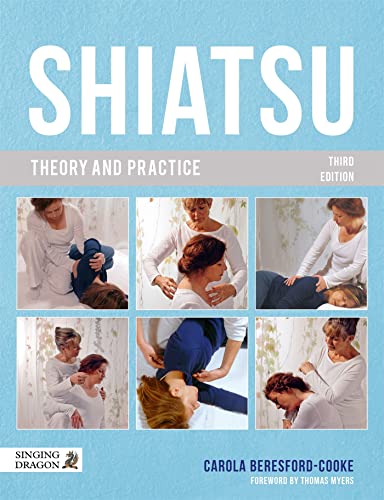
Shiatsu Theory and Practice: Beresford-Cooke, Carola
Written by a well-known and highly respected author and practitioner within the field, Shiatsu Theory and Practice is <strong>a complete introduction to the theory and practice of Zen shiatsu</strong>

Zyllion Shiatsu Back and Neck Massager with Heat - 3D Electric Kneading Deep Tissue Massage Pillow for Muscle Pain Relief, Black, ZMA-13
Zyllion Shiatsu Back and Neck Massager with Heat - <strong>Cordless Rechargeable 3D Electric Kneading Deep Tissue Massage Pillow for Muscle Pain Relief, Black, ZMA-13RB</strong>
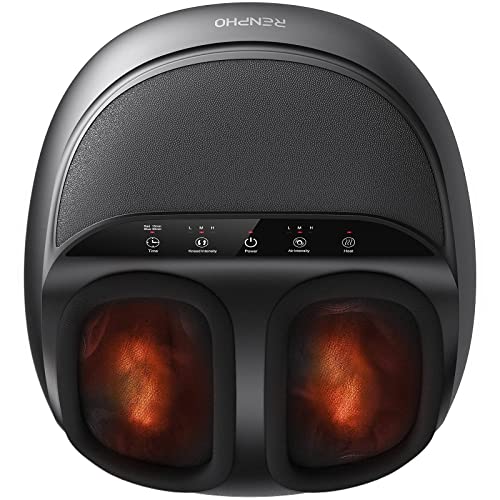
RENPHO Full Foot Massager Machine, 2026 Upgraded Shiatsu Foot Massager with Heat, FSA Eligible HSA Store Eligible, Plantar Fasciitis Massager, Birthday Gifts for Women Mom Men Dad, Fits Up to Size 13
RENPHO Flagship Foot Massager: Equipped with rotation ball, rolling stick and heating, FSA HSA Eligible <strong>RENPHO foot massager offers a deep kneading shiatsu foot massage</strong>. It massages t
Evidence & Sources
Early-stage research, mostly preclinical or preliminary human studies
- NCCIH (National Center for Complementary and Integrative Health)
- World Health Organization Traditional, Complementary and Integrative Medicine resources
- Journal of Alternative and Complementary Medicine
- BMC Complementary Medicine and Therapies
- Complementary Therapies in Medicine
- International Journal of Therapeutic Massage & Bodywork
- Cochrane Library
- BMJ Open
This content is for informational purposes only and does not constitute medical advice. Always consult a qualified healthcare provider before starting, stopping, or changing any supplement or medication regimen.