

Reflexology
Also known as: Reflexiologie, Reflex Therapy, Refelexology
Reflexology Overview
Reflexology is a manual therapy modality based on the idea that specific areas of the feet, hands, and sometimes ears correspond to different organs, glands, and body systems. Practitioners apply targeted pressure techniques to these mapped "reflex points" with the intention of supporting relaxation, circulation, stress reduction, and overall well-being. It is distinct from general foot massage: while both may be calming, reflexology is organized around structured pressure patterns and theoretical body maps rather than comfort-focused soft tissue work alone.
The practice has roots in multiple historical healing traditions, though modern reflexology was largely systematized in the 20th century. Today, it is commonly used as a complementary therapy in wellness settings and, in some cases, alongside supportive care for people dealing with pain, stress, fatigue, sleep disturbance, and symptoms related to chronic illness. Interest in reflexology is partly driven by its low-tech, nonpharmacologic nature and the broader public interest in mind-body and integrative therapies.
From a health research perspective, reflexology occupies an interesting middle ground. Many people report subjective benefits such as feeling calmer, sleeping better, or experiencing temporary relief from discomfort. At the same time, the central theory that foot or hand zones directly mirror internal organs has limited confirmation within conventional biomedical science. As a result, reflexology is often studied less as an organ-specific intervention and more as a supportive therapy for symptom management, stress reduction, and quality of life.
Current evidence suggests reflexology may help some individuals with relaxation, anxiety reduction, perceived pain, and well-being, particularly in supportive care contexts. However, study quality is mixed, sample sizes are often small, and outcomes can be difficult to separate from the effects of touch, rest, therapeutic attention, and expectation. For that reason, reflexology is generally discussed as a complementary practice rather than a standalone medical treatment, and any persistent or serious symptoms warrant evaluation by a qualified healthcare professional.
Medical Perspectives
Two Ways of Seeing Health

Western
scientific · clinical
Western medicine applies science, technology, and clinical experience to treat symptoms through testing, diagnosis, and targeted intervention.

Eastern
traditional · alternative
Eastern medicine focuses on treating the body naturally by applying traditional knowledge practiced for thousands of years, emphasizing balance and whole-person wellness.
Gold Bamboo presents both perspectives side-by-side so you can make informed decisions. We don't advocate for one over the other — your health choices are yours.
Western Medicine Perspective
Western / Conventional Medicine Perspective
In conventional medicine, reflexology is usually viewed as a complementary touch-based therapy rather than a treatment that can directly influence specific organs through mapped foot or hand points. Biomedical researchers have not established strong anatomical or physiological evidence that reflex zones correspond to internal organs in the precise way classic reflexology charts propose. However, conventional frameworks do recognize that structured touch therapies may affect the body through more general mechanisms such as autonomic nervous system modulation, relaxation response, stress reduction, altered pain perception, and therapeutic interpersonal contact.
Clinical research on reflexology has focused on outcomes such as pain, anxiety, fatigue, sleep, and quality of life. Studies in cancer supportive care, palliative care, pregnancy-related discomfort, and chronic symptom management have reported modest benefits in some populations, especially for short-term relaxation and symptom relief. Systematic reviews, however, often conclude that the evidence is promising but not definitive because of methodological issues including small trials, inconsistent protocols, difficulty with blinding, and variable control groups. In other words, research suggests reflexology may have supportive value, but it is not generally accepted in conventional medicine as a disease-specific therapy.
Safety is another focus of the western perspective. Reflexology is often considered relatively low risk when performed appropriately, but it may not be suitable in all situations, such as certain foot injuries, infections, severe circulatory problems, or high-risk medical conditions. Conventional care settings that include reflexology usually frame it as an adjunct for comfort and stress relief, with the understanding that it does not replace diagnosis, emergency care, or evidence-based treatment. People considering reflexology for significant symptoms are generally encouraged within conventional medicine to discuss it with their healthcare team, particularly if they have complex medical conditions.
Eastern & Traditional Perspective
Eastern / Traditional Medicine Perspective
In Traditional Chinese Medicine (TCM) and related East Asian bodywork traditions, reflexology is often understood through concepts of qi circulation, meridians, and systemic balance. Although modern reflexology maps are not identical to classical acupuncture channel charts, they share the broader idea that the body is interconnected and that stimulation at one site can influence function elsewhere. From this perspective, working the feet or hands may help regulate energetic flow, ease stagnation, and support the body's natural restorative processes. Reflexology may therefore be used traditionally for patterns associated with stress, digestive discomfort, poor sleep, tension, and generalized imbalance.
In Ayurvedic and naturopathic contexts, reflexology is often interpreted more holistically, emphasizing the relationship between touch, nervous system settling, circulation, and the body's self-regulatory capacity. Traditional systems commonly place importance on the feet as significant access points for influencing the whole body, grounding the system, and encouraging relaxation. Rather than isolating one symptom, these frameworks tend to view reflexology as part of a broader strategy intended to support overall equilibrium of body, mind, and energy.
Traditional perspectives typically value individualization and lived response more than standardized symptom scales alone. Benefits are often described in terms such as improved flow, reduced tension, better rest, and enhanced resilience. At the same time, many contemporary integrative practitioners acknowledge that traditional theories and biomedical explanations are not identical. As a result, reflexology is often presented in integrative settings as a practice with longstanding traditional use and meaningful subjective benefit for some individuals, while also recognizing the importance of appropriate medical assessment when symptoms are ongoing, severe, or unexplained.
Supplements & Products
Recommended Products

Reflexology Bible: The Definitive Guide to Reflexology (Godsfield Bible Series) of Keet, Louise on 15 August 2008: Louise Keet: Amazon.com
Reflexology Bible: The Definitive Guide to Reflexology (Godsfield Bible Series) of Keet, Louise on 15 August 2008 [Louise Keet] on Amazon.com. *FREE* shipping on qualifying offers. Reflexology Bible:
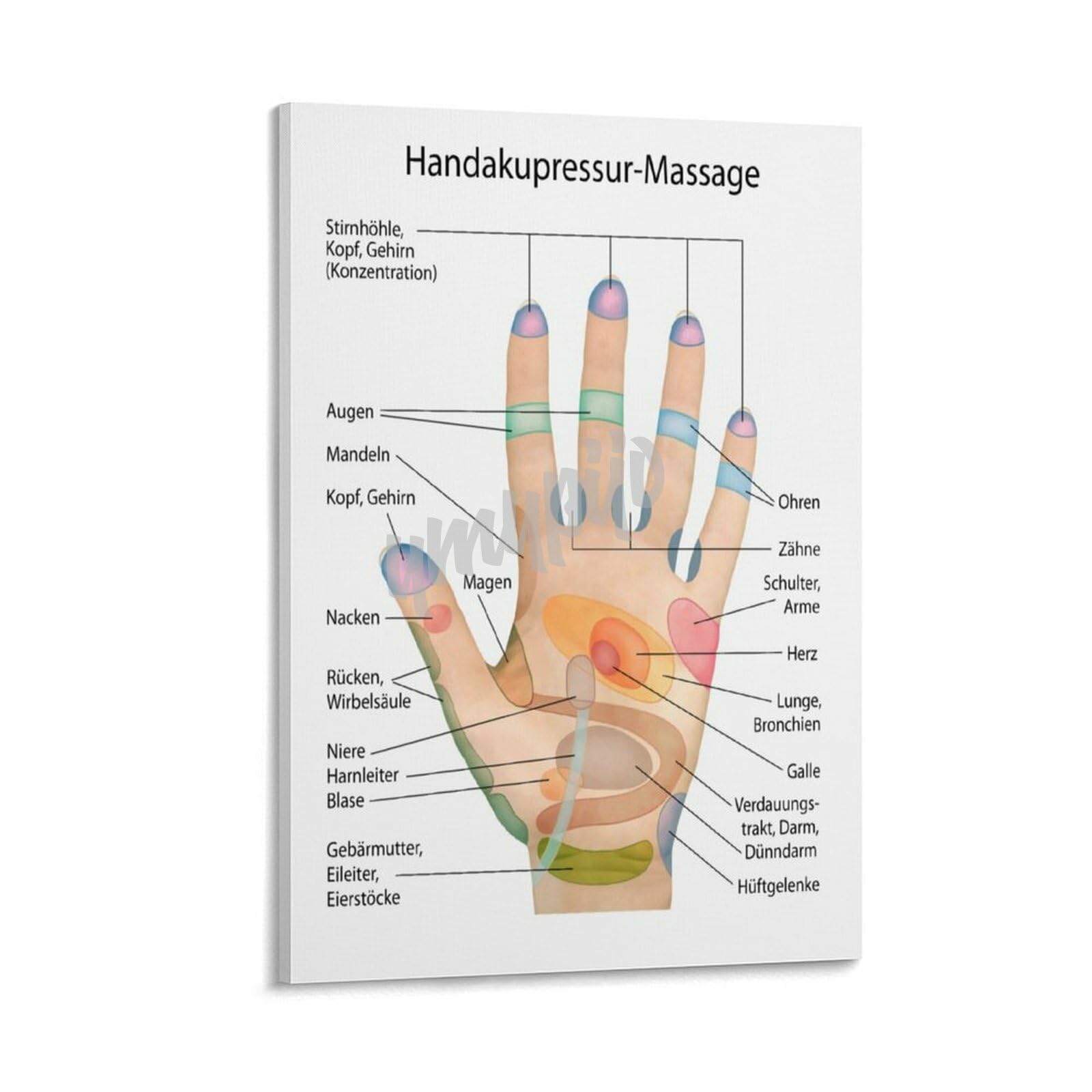
Hand Reflexology Chart Laminated : Industrial & Scientific
Anatomical relationships between the foot and hand reflexes ... Set: 2 CHARTS: REFLEXOLOGY: FOOT & HAND/ ACUPRESSURE MASSAGE, in Inner Light Resources <strong>RAINBOW® Charts Series</strong>. 8.5

TheraFlow Foot Massager for Plantar Fasciitis Relief - Mom Gifts for Women & Gifts for Dad, Wooden Foot Roller Massager with Deep Tissue & Reflexology Nubs (Includes Reflexology Chart)
2 MASSAGE ZONES: Featuring 3 deep tissue massage rows and 2 reflexology rows with 96 massage nubs, the foot roller massager <strong>provides targeted heel-to-toe relief, promotes blood circulation, an
Evidence & Sources
Promising research with growing clinical support from multiple studies
- National Center for Complementary and Integrative Health (NCCIH)
- Cochrane Database of Systematic Reviews
- Cancer Nursing
- Journal of Clinical Nursing
- Complementary Therapies in Clinical Practice
- Integrative Cancer Therapies
- World Health Organization (WHO) Traditional Medicine resources
This content is for informational purposes only and does not constitute medical advice. Always consult a qualified healthcare provider before starting, stopping, or changing any supplement or medication regimen.