

Qigong
Also known as: Chi Kung, Chi Gung, Qigon
Overview
Qigong is a broad mind-body practice that combines gentle movement, postural alignment, breath regulation, focused attention, and meditative awareness. The term is commonly translated as “cultivating vital energy,” reflecting its roots in Chinese philosophical and medical traditions. Qigong includes many distinct forms, ranging from slow, repetitive health exercises to seated breathing practices and systems used in martial arts or spiritual cultivation. On modern health platforms, it is often grouped with other meditative movement practices such as tai chi, though traditional lineages may distinguish them clearly.
From a public health perspective, qigong is notable because it is generally low-impact, adaptable, and accessible across age groups and physical ability levels. It is frequently explored as a complementary practice for stress regulation, balance, mobility, pain management, emotional well-being, and quality of life. Research interest has grown in rehabilitation settings, aging populations, and chronic disease self-management, where simple, repeatable movement and breathing practices may support broader wellness goals.
Studies suggest qigong may influence health through multiple pathways rather than a single mechanism. Proposed effects include reduced stress reactivity, improved autonomic regulation, enhanced body awareness, better breathing efficiency, light-to-moderate physical activity, and social engagement when practiced in groups. Because qigong styles vary widely in intensity, instruction quality, and philosophical orientation, scientific findings are not always uniform. Some trials focus on symptom relief and functional outcomes, while others examine biomarkers related to inflammation, mood, sleep, or cardiovascular regulation.
Qigong occupies an important place in integrative health because it sits at the intersection of exercise, meditation, breathwork, and traditional medicine theory. Conventional clinicians may view it as a form of therapeutic movement or meditative exercise, while traditional East Asian systems place it within a larger framework of cultivating harmony between body, mind, and environment. As with many complementary modalities, the most balanced interpretation recognizes both its long cultural history and the need for careful, condition-specific evaluation in modern research and clinical contexts.
Medical Perspectives
Two Ways of Seeing Health

Western
scientific · clinical
Western medicine applies science, technology, and clinical experience to treat symptoms through testing, diagnosis, and targeted intervention.

Eastern
traditional · alternative
Eastern medicine focuses on treating the body naturally by applying traditional knowledge practiced for thousands of years, emphasizing balance and whole-person wellness.
Gold Bamboo presents both perspectives side-by-side so you can make informed decisions. We don't advocate for one over the other — your health choices are yours.
Western Medicine Perspective
Western Medicine Perspective
In conventional medicine, qigong is generally understood as a mind-body exercise modality rather than as a stand-alone medical treatment. Researchers often compare it with tai chi, yoga, breathing exercises, or low-intensity physical activity. Interest centers on whether qigong can serve as a supportive practice alongside standard care for issues such as chronic pain, stress, anxiety, depression symptoms, impaired balance, reduced physical function, fatigue, and quality-of-life limitations. Clinical literature commonly evaluates outcomes in older adults and in people living with chronic musculoskeletal, neurological, cardiovascular, or cancer-related concerns.
Systematic reviews and meta-analyses suggest that qigong may offer modest benefits in several areas, especially balance, physical function, perceived stress, and some quality-of-life measures. There is also growing literature on possible effects on blood pressure, mood, and sleep, although study quality is mixed and results are not fully consistent across populations. A major limitation in the evidence base is heterogeneity: “qigong” can refer to many protocols with different frequencies, durations, and teaching methods, making direct comparisons difficult. Blinding is also challenging in behavioral interventions, and some studies have small sample sizes or short follow-up periods.
From a safety standpoint, qigong is generally regarded as low risk when appropriately adapted, particularly because many forms involve slow movements and can be modified for seated or limited-mobility practice. However, conventional care frameworks emphasize that any movement-based modality may need adjustment for individuals with significant balance problems, acute injury, cardiopulmonary limitations, or complex medical conditions. For that reason, integrative medicine sources often frame qigong as a complementary wellness practice that may be discussed with qualified healthcare professionals, especially when used in the context of rehabilitation or chronic disease management.
Eastern & Traditional Perspective
Eastern/Traditional Medicine Perspective
In Traditional Chinese Medicine (TCM), qigong is understood as a practice for regulating and cultivating qi, often described as vital energy or functional life force. Classical theory holds that health reflects the smooth, balanced movement of qi through the body’s systems and channels, in relationship with blood, breath, essence, organs, and spirit. Qigong is traditionally used to support harmony among these dimensions through coordinated posture, movement, intention, and breathing. Different forms may be designed to calm the mind, strengthen constitutional vitality, improve circulation, or harmonize specific organ patterns within TCM theory.
Traditional East Asian frameworks also place strong emphasis on the connection between body, emotion, and environment. In that context, qigong is not only exercise but a method of refining awareness, settling the nervous system, and aligning internal rhythms with seasonal, emotional, and behavioral balance. Some schools emphasize health maintenance; others focus on spiritual development or martial training. Well-known health-oriented systems include practices intended to nourish the lungs, kidneys, spleen, or overall vitality according to traditional diagnostic models.
Beyond TCM, qigong is often discussed in integrative and traditional wellness circles alongside concepts found in Daoist health cultivation, contemplative movement traditions, naturopathic lifestyle medicine, and cross-cultural breath-meditation practices. Although explanatory models differ, these systems often share the view that slow intentional movement and regulated breathing can help restore internal balance, improve resilience, and support self-regulation. Traditional perspectives generally rely on lineage, observation, and long historical use rather than modern biomedical endpoints, so their language and goals may not map directly onto Western research categories.
Supplements & Products
Recommended Products
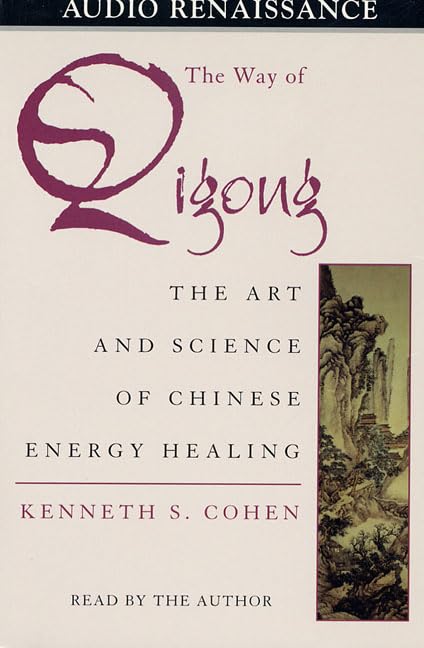
The Way of Qigong: The Art and Science of Chinese Energy Healing: Cohen, Kenneth S.
Now in this fascinating, comprehensive ... S. Cohen <strong>explains how you too can integrate qigong into your life -- and harness the healing power that will help your mind and body achieve the harm

Introduction to Qi gong Exercise for Beginners with Lee Holden DVD (YMAA) Perfect Qigong DVD for Beginner : Lee Holden, Lee Holden, Lee Holden: Movies & TV
<strong>Qi Gong 30-Day Challenge</strong> with Lee Holden Dvd Bestseller (Ymaa) 2025 Perfect Qi-gong Dvd for Beginners - Short Daily Workouts - Qigong Dvd - Feel Great in Seven Minutes Each Day

Lotuscrafts Zafu Meditation Cushion Kapok Delight - Height 15 cm - Kapok Filling - Washable Cover Organic Cotton - Floor Cushion for Meditation - Yoga Cushion - Meditation Pillow
Amazon.com: Lotuscrafts Zafu Meditation Cushion Kapok Delight - Height 15 cm - Kapok Filling - Washable Cover Organic Cotton - Floor Cushion for Meditation - Yoga Cushion - Meditation Pillow
Evidence & Sources
Promising research with growing clinical support from multiple studies
- National Center for Complementary and Integrative Health (NCCIH)
- World Health Organization Traditional Medicine publications
- Journal of Alternative and Complementary Medicine
- BMC Complementary Medicine and Therapies
- American Journal of Health Promotion
- Medicine (systematic reviews on qigong)
- Frontiers in Medicine
- Harvard Health Publishing on tai chi and meditative movement
This content is for informational purposes only and does not constitute medical advice. Always consult a qualified healthcare provider before starting, stopping, or changing any supplement or medication regimen.