

Qi Gong
Also known as: Qigong, Chi Kung, Chi Gong
Overview
Qi Gong (also spelled Qigong) is a broad category of traditional Chinese mind-body practices that combine gentle movement, breath regulation, focused attention, and meditative awareness. The term is often translated as “cultivating” or “working with” qi, a concept in Chinese medicine referring to the body’s vital energy or functional life force. In practice, Qi Gong can range from slow, flowing sequences and standing postures to seated breathing exercises and highly meditative forms. It is commonly explored for stress regulation, balance, mobility, pain support, emotional well-being, and general vitality.
Historically, Qi Gong developed within Chinese medicine, martial traditions, and contemplative practices. Over time, many distinct forms emerged, including health-preservation exercises, spiritual cultivation methods, and movement systems used to support strength, coordination, and internal awareness. Modern practice is often accessible to a wide range of ages and physical abilities because routines can be adapted in intensity, duration, and complexity. This accessibility helps explain why Qi Gong is frequently grouped with other low-impact mind-body modalities such as tai chi, meditation, and breathwork.
Interest in Qi Gong has grown globally as research increasingly examines how mind-body practices affect the nervous system, stress physiology, pain perception, sleep, mood, and physical function. Studies suggest Qi Gong may support aspects of quality of life, especially where chronic stress, deconditioning, or persistent symptoms are involved. At the same time, research quality varies by condition and by study design, and outcomes may depend on the specific style practiced, session frequency, instructor training, and participant characteristics. As with other integrative approaches, Qi Gong is generally discussed as a complementary practice, not a replacement for appropriate medical evaluation or care.
Because Qi Gong sits at the intersection of movement therapy, meditative practice, and traditional energy-based healing, it is understood differently across medical systems. Conventional medicine often frames it in terms of exercise, relaxation response, breath-mediated autonomic regulation, and mindfulness-related mechanisms, while traditional East Asian medicine interprets it through the circulation and harmonization of qi, blood, and organ systems. Both perspectives contribute to its modern use and help explain why it is sought out for both symptom support and broader well-being.
Medical Perspectives
Two Ways of Seeing Health

Western
scientific · clinical
Western medicine applies science, technology, and clinical experience to treat symptoms through testing, diagnosis, and targeted intervention.

Eastern
traditional · alternative
Eastern medicine focuses on treating the body naturally by applying traditional knowledge practiced for thousands of years, emphasizing balance and whole-person wellness.
Gold Bamboo presents both perspectives side-by-side so you can make informed decisions. We don't advocate for one over the other — your health choices are yours.
Western Medicine Perspective
Western Medicine Perspective
From a conventional perspective, Qi Gong is typically classified as a mind-body exercise or meditative movement practice. Researchers often compare it with tai chi, yoga, and mindfulness-based movement because it blends low-impact physical activity with controlled breathing and attentional training. Proposed mechanisms include reduced sympathetic nervous system activation, improved parasympathetic tone, better balance and proprioception, modest aerobic and musculoskeletal conditioning, and changes in stress-related biomarkers. These mechanisms may help explain why studies frequently investigate Qi Gong in contexts such as chronic pain, anxiety, depression, sleep disturbance, fatigue, and fall risk.
Clinical research suggests Qi Gong may offer modest benefits for some outcomes, particularly stress reduction, balance, functional mobility, and aspects of pain and quality of life. Reviews have also explored possible roles in hypertension, cancer-related fatigue, fibromyalgia, chronic obstructive pulmonary disease, and mood symptoms, though findings are mixed and not uniformly strong across all conditions. One limitation is that studies often use different Qi Gong styles, durations, and instructor methods, making it difficult to generalize results. Sample sizes may also be small, and blinding is inherently challenging in movement-based interventions.
In medical settings, Qi Gong is often discussed as a low-risk complementary modality when appropriately adapted to an individual’s health status and physical capacity. Conventional clinicians may view it as beneficial partly because it encourages regular movement, relaxation, body awareness, and adherence-friendly exercise habits. However, conventional medicine generally does not adopt the traditional concept of qi as a measurable biomedical entity. Instead, it interprets reported benefits through frameworks such as behavioral medicine, rehabilitation, psychophysiology, and integrative health. People with significant medical conditions, pain, dizziness, cardiovascular limitations, or mobility concerns are commonly encouraged in clinical contexts to discuss new exercise or mind-body practices with a qualified healthcare professional.
Eastern & Traditional Perspective
Eastern / Traditional Medicine Perspective
In Traditional Chinese Medicine (TCM), Qi Gong is understood as a method for cultivating, circulating, tonifying, and regulating qi throughout the body’s meridian system. Health, in this framework, depends on the harmonious movement of qi and blood and the dynamic balance of systems such as yin and yang and the functional organ networks. Qi Gong practices are traditionally used to help address patterns of stagnation, deficiency, excess, or internal imbalance, with different forms emphasizing grounding, nourishment, clearing, or strengthening.
Traditional teachings often distinguish between internal cultivation and external expression. Some forms focus on stillness, posture, breath, and mental calm to gather and refine qi; others use flowing movement to open the channels, support circulation, and coordinate body and mind. In TCM-informed settings, Qi Gong may be paired conceptually with acupuncture, herbal medicine, dietary therapy, and seasonal living practices as part of a broader strategy to maintain resilience and restore balance. Its role is often preventive as well as restorative, supporting the idea that health can be nurtured before overt illness develops.
Related systems outside TCM may interpret Qi Gong through comparable but distinct lenses. In Ayurveda, parallels are sometimes drawn between qi and prana, with emphasis on breath, awareness, and energy flow. In naturopathic and integrative traditions, Qi Gong may be viewed as a practice that supports the body’s self-regulatory capacity through stress reduction, improved circulation, and mind-body coherence. Although these frameworks differ in language and theory, they share an interest in the relationship between movement, breath, attention, and whole-person well-being. Traditional interpretations remain culturally and historically important even where biomedical validation is still evolving.
Supplements & Products
Recommended Products
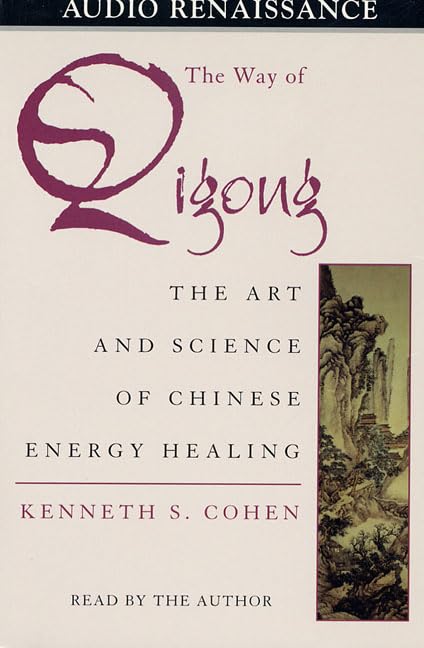
The Way of Qigong: The Art and Science of Chinese Energy Healing: Cohen, Kenneth S.
Now in this fascinating, comprehensive ... S. Cohen <strong>explains how you too can integrate qigong into your life -- and harness the healing power that will help your mind and body achieve the harm
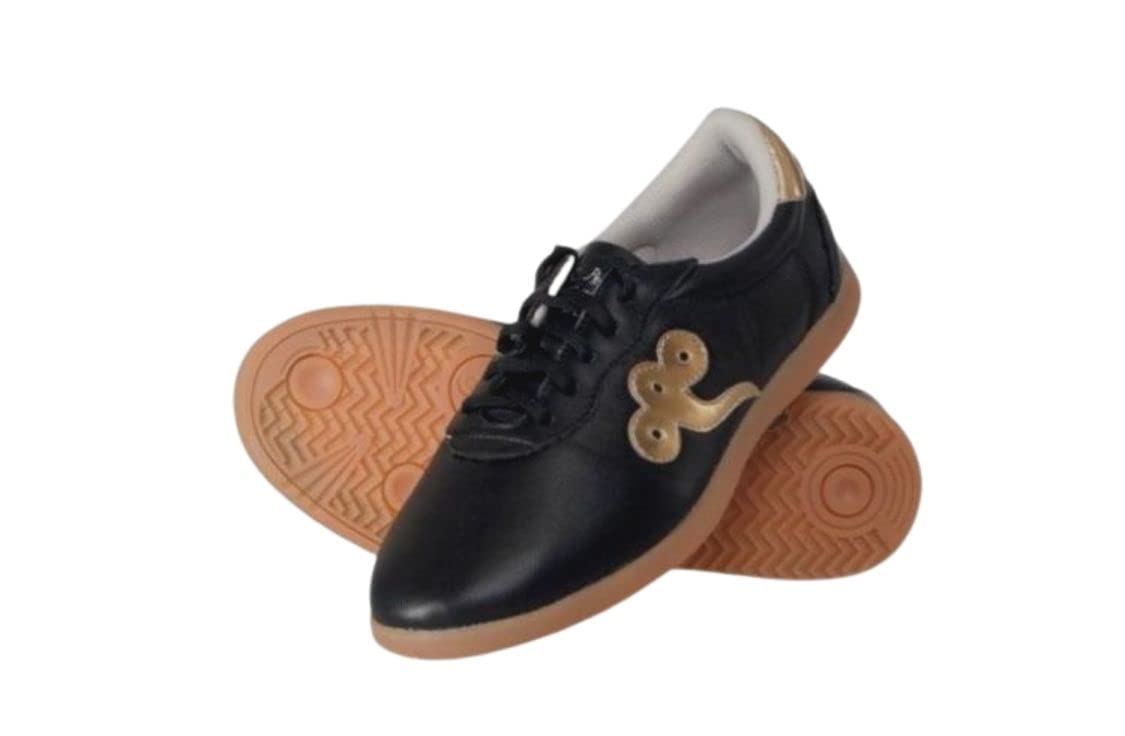
Amazon.com | Budo Saga Feiyue Martial Arts Shoes Kungfu Shoes Wushu Shoes - White/Black | Fitness & Cross-Training
1 Martial Arts Shoes · Low top sneaker,Canvas upper,Rubber sole.Cotton lining,Cotton insole.Light weight, comfortable foot,feelinglight flexibility. The best choice for martial arts,kung fu,Tai chi,hi

Mindful Modern Large Meditation Cushion for Zafu Yoga - Meditation Pillow for Sitting on The Floor - Buckwheat Hull Filled Yoga Cushion with Removable, Washable 100% Cotton Cover and Carry Handle
Our meditation cushions are a great gift for all zafu and yoga lovers and make a beautiful set by combining them with a Zabuton meditation mat. Small Business This product is from a small business bra
Evidence & Sources
Promising research with growing clinical support from multiple studies
- National Center for Complementary and Integrative Health (NCCIH)
- World Health Organization (WHO) Traditional, Complementary and Integrative Medicine resources
- Journal of Alternative and Complementary Medicine
- BMC Complementary Medicine and Therapies
- Cochrane Database of Systematic Reviews
- JAMA Internal Medicine
- Evidence-Based Complementary and Alternative Medicine
- British Journal of Sports Medicine
This content is for informational purposes only and does not constitute medical advice. Always consult a qualified healthcare provider before starting, stopping, or changing any supplement or medication regimen.