

Psychosomatic Therapy
Also known as: Mind-Body Psychotherapy, Body-Oriented Psychotherapy
Overview
Psychosomatic Therapy is a broad, integrative approach that explores how psychological processes—such as stress, trauma, anxiety, depression, emotional conflict, and learned patterns of bodily vigilance—may influence physical symptoms. The term psychosomatic does not mean that symptoms are imagined or “all in the mind.” Rather, it reflects the well-established connection between the brain, nervous system, endocrine system, immune signaling, and the body’s stress response. In this framework, real physical symptoms may be shaped, amplified, triggered, or prolonged by emotional and physiological stress.
People often seek psychosomatic-oriented care when symptoms seem to worsen with stress, when standard testing does not fully explain symptom severity, or when conditions such as chronic pain, tension headaches, irritable bowel syndrome, fatigue, pelvic pain, dizziness, skin flares, or functional neurological symptoms appear to fluctuate alongside life events or emotional strain. Many clinicians and therapists working in this area also emphasize the role of trauma, attachment patterns, autonomic nervous system dysregulation, and heightened interoception—the way the brain perceives internal bodily signals.
In practice, psychosomatic therapy is not one single standardized technique. It may include psychotherapy, mind-body interventions, somatic awareness, stress regulation practices, trauma-informed approaches, and education about the connection between stress physiology and symptoms. Depending on the practitioner’s training, methods may overlap with cognitive behavioral therapy, psychodynamic therapy, mindfulness-based therapies, somatic experiencing-informed work, biofeedback, relaxation training, or body-oriented psychotherapy. The shared aim is to help people understand symptom patterns in a nonjudgmental way and improve functioning, self-regulation, and quality of life.
Interest in psychosomatic care has grown as research in psychoneuroimmunology, pain neuroscience, and gut-brain interaction has expanded. At the same time, the field remains nuanced. Not all unexplained symptoms are psychosomatic, and physical symptoms always warrant appropriate medical evaluation. A balanced understanding recognizes that biological, psychological, and social factors often interact, and that integrated care may be most relevant when symptoms are persistent, multifactorial, or closely linked with stress and emotional burden.
Medical Perspectives
Two Ways of Seeing Health

Western
scientific · clinical
Western medicine applies science, technology, and clinical experience to treat symptoms through testing, diagnosis, and targeted intervention.

Eastern
traditional · alternative
Eastern medicine focuses on treating the body naturally by applying traditional knowledge practiced for thousands of years, emphasizing balance and whole-person wellness.
Gold Bamboo presents both perspectives side-by-side so you can make informed decisions. We don't advocate for one over the other — your health choices are yours.
Western Medicine Perspective
Western Medicine Perspective
In conventional medicine, psychosomatic therapy is most closely aligned with the biopsychosocial model, which views health as the product of interacting biological, psychological, and social influences. Modern Western frameworks often use related terms such as functional somatic symptoms, somatic symptom disorder, functional neurological disorder, central sensitization, or disorders of gut-brain interaction, depending on the clinical context. These models do not dismiss symptoms; instead, they attempt to explain how altered nervous system signaling, stress reactivity, attention to symptoms, prior illness experiences, trauma exposure, sleep disruption, and mood disorders may affect symptom intensity and persistence.
Research suggests several plausible mechanisms. Chronic stress can influence the hypothalamic-pituitary-adrenal axis, autonomic nervous system balance, inflammatory signaling, muscle tension, pain processing, and gastrointestinal motility. Studies on chronic pain and functional disorders indicate that the brain and spinal cord can become more sensitive to threat and bodily input, a process often described as central sensitization. In clinical settings, psychosomatic-oriented treatment may involve psychotherapy, psychoeducation, stress reduction, trauma-informed care, graded restoration of function, and coordinated medical follow-up. Evidence is strongest in some symptom-based conditions—such as irritable bowel syndrome, chronic pain syndromes, and certain anxiety-related physical symptoms—where psychological therapies can reduce distress and improve daily functioning.
Conventional medicine also places importance on diagnostic caution. Symptoms that appear stress-related can still reflect underlying medical disease, and symptoms may have both organic and psychosomatic contributors at the same time. For that reason, psychosomatic therapy is generally understood as part of an integrated care model rather than a replacement for medical assessment. When used appropriately, it may help reduce suffering, improve coping, and broaden treatment options for people whose symptoms are influenced by stress physiology or emotional factors.
Eastern & Traditional Perspective
Eastern and Traditional Medicine Perspective
In many Eastern and traditional systems, the relationship between emotion and physical illness has long been considered fundamental rather than secondary. Traditional Chinese Medicine (TCM) classically links emotional states with patterns of imbalance involving qi, blood, and organ systems. For example, stress and frustration are often associated with Liver qi stagnation, excessive worry with dysfunction of the Spleen, fear with the Kidney, and grief with the Lung. From this perspective, unresolved emotion can disrupt circulation and harmony in the body, eventually contributing to symptoms such as digestive upset, headaches, sleep disturbance, menstrual irregularity, muscle tension, or fatigue.
Ayurveda similarly describes mind-body interdependence through the effects of mental and emotional strain on dosha balance, digestion, sleep, vitality, and nervous system resilience. Excess stress may be understood as aggravating Vata, contributing to anxiety, insomnia, variable digestion, pain, and a sense of depletion. Traditional approaches often aim to restore regulation through routine, breath practices, meditation, herbal support, bodywork, and attention to diet, emotional processing, and spiritual well-being.
Other holistic traditions, including naturopathy and body-centered healing systems, often frame psychosomatic patterns in terms of stress load, trauma imprinting, nervous system dysregulation, and reduced self-healing capacity. Practices commonly associated with these traditions may include meditation, breathwork, acupuncture, yoga, tai chi, guided relaxation, and forms of somatic awareness. While traditional explanations differ from biomedical language, there is notable overlap in the emphasis on regulation, embodied awareness, and the idea that chronic emotional strain may manifest physically. As with Western approaches, reputable practitioners generally view persistent symptoms as deserving appropriate medical evaluation alongside holistic assessment.
Supplements & Products
Recommended Products
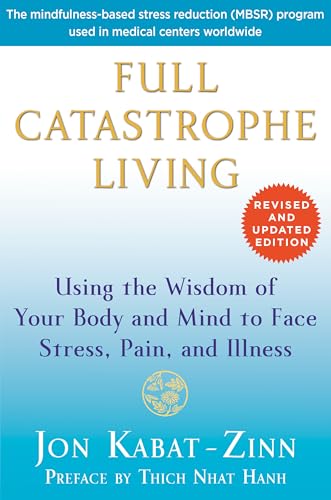
Full Catastrophe Living (Revised Edition): Using the Wisdom of Your Body and Mind to Face Stress, Pain, and Illness: Kabat-Zinn, Jon, Hanh, Thich Nhat
This second edition, building on the first, is sure to become a treasured sourcebook and traveling companion for new generations who seek the wisdom to live full and fulfilling lives.”—Diana Chapman W
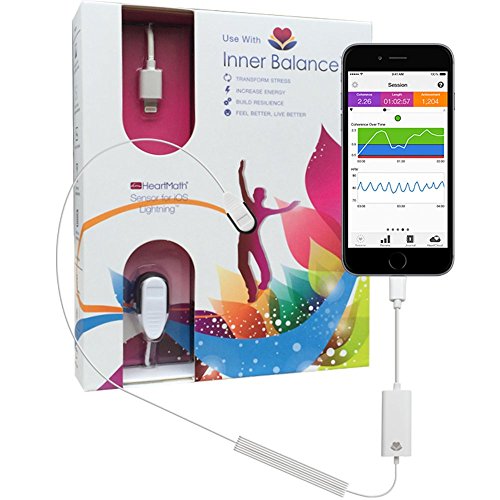
HeartMath Inner Balance Lightning
Research shows that when we are ... improved cognitive function. Inner Balance <strong>uses HeartMath's patented technology to monitor the subtle beat-to-beat changes in your heart rhythms</stron

MUSE 2: Smart Meditation Headband | Mindfulness & Relaxation Aid with Real-Time Sound Feedback | Multi Sensor Biofeedback Devices for Home Use with Responsive Sound Feedback Guidance
4. Tap your Muse ID. To fit your headband properly, <strong>gently extend earpieces, place Muse around your head, tighten evenly until snug, and ensure forehead sensors touch skin without hair interfe
Evidence & Sources
Promising research with growing clinical support from multiple studies
- National Center for Complementary and Integrative Health (NCCIH)
- World Health Organization (WHO)
- The Lancet Psychiatry
- JAMA Psychiatry
- Psychosomatic Medicine
- Journal of Psychosomatic Research
- New England Journal of Medicine
- Gastroenterology
This content is for informational purposes only and does not constitute medical advice. Always consult a qualified healthcare provider before starting, stopping, or changing any supplement or medication regimen.