

Polarity Therapy
Also known as: Polarity, Polarity Energy Balancing
Overview
Polarity Therapy is a holistic bodywork and energy-based modality developed in the 20th century by Randolph Stone, an osteopathic physician, chiropractor, and naturopath. The system blends gentle touch, movement, body awareness, energetic concepts, and lifestyle principles into a framework intended to support the body’s natural self-regulating capacity. In practice, sessions may involve light or structured contact on different areas of the body, attention to posture and breath, and discussion of stress, emotional patterns, or everyday habits that may influence overall well-being.
The central idea in Polarity Therapy is that health reflects a balanced and unobstructed flow of vital energy, while discomfort or dysfunction may be associated with imbalance or restriction. For that reason, people often explore this modality for stress reduction, relaxation, body-mind integration, and a subjective sense of energetic balancing. It is commonly positioned within the broader field of complementary and integrative health, alongside approaches such as massage therapy, craniosacral therapy, Reiki, yoga-based movement, and somatic practices.
From a modern health perspective, Polarity Therapy is best understood as a whole-person supportive practice rather than a disease-specific medical treatment. Interest in it often centers on its potential effects on stress physiology, pain perception, emotional well-being, and quality of life, particularly in integrative settings. However, the language of “energy flow” used in the modality does not map neatly onto standard biomedical models, which has contributed to both interest and skepticism in clinical research.
Current evidence remains limited but developing. Some small studies and integrative care reports suggest possible benefits for stress, fatigue, caregiver burden, or quality-of-life-related outcomes, but the research base is not large enough to support strong conclusions for most conditions. As with many touch-based complementary modalities, the experience may be meaningful for some individuals as part of a broader wellness plan, while interpretation of its mechanisms varies across medical systems. Consultation with qualified healthcare professionals remains important when symptoms are persistent, severe, or medically unexplained.
Medical Perspectives
Two Ways of Seeing Health

Western
scientific · clinical
Western medicine applies science, technology, and clinical experience to treat symptoms through testing, diagnosis, and targeted intervention.

Eastern
traditional · alternative
Eastern medicine focuses on treating the body naturally by applying traditional knowledge practiced for thousands of years, emphasizing balance and whole-person wellness.
Gold Bamboo presents both perspectives side-by-side so you can make informed decisions. We don't advocate for one over the other — your health choices are yours.
Western Medicine Perspective
Western Medicine Perspective
In conventional medicine, Polarity Therapy is generally classified as a complementary bodywork or energy therapy. Biomedical research tends to evaluate it through measurable outcomes such as perceived stress, anxiety, pain, fatigue, mood, sleep, and health-related quality of life, rather than through the traditional concept of vital energy itself. From this viewpoint, any observed benefits may plausibly relate to factors such as relaxation response, therapeutic touch, reduction in muscle guarding, enhanced interoceptive awareness, supportive practitioner interaction, and nonspecific contextual effects that can influence the nervous system and symptom perception.
Studies of Polarity Therapy have been relatively small and often exploratory. Research in specific populations, including individuals under high stress and caregivers, has suggested potential improvements in subjective well-being and stress-related measures. There has also been interest in integrative oncology and palliative contexts, where gentle supportive therapies are sometimes studied for their effect on comfort and quality of life. Still, the evidence base is limited by small sample sizes, heterogeneous protocols, difficulties with blinding, and a lack of large replication trials.
Mainstream clinical organizations typically do not recognize Polarity Therapy as a standard treatment for diagnosed disease. Instead, it may be discussed within the broader category of integrative supportive care, similar to other low-risk relaxation-oriented modalities. Conventional clinicians who are open to integrative approaches often emphasize that such practices may have a role in supporting coping, comfort, and patient experience, while not replacing appropriate medical evaluation or evidence-based treatment for underlying conditions.
Safety discussions in western medicine usually focus less on the “energy” framework and more on the hands-on nature of the session. Gentle bodywork is often considered relatively low risk when adapted appropriately, but caution is relevant for people with acute injuries, unstable medical conditions, recent surgery, severe osteoporosis, skin infections, or complex pain conditions. Scope of practice also matters: Polarity Therapy is not a substitute for diagnosis, emergency care, or treatment of serious illness.
Eastern & Traditional Perspective
Eastern / Traditional Medicine Perspective
Traditional and integrative healing systems often view Polarity Therapy as compatible with long-standing ideas about vital force, energetic balance, and the interconnectedness of body, mind, and environment. Although Polarity Therapy originated as a modern synthesis rather than an ancient lineage practice, its concepts are frequently compared with Qi in Traditional Chinese Medicine (TCM), Prana in Ayurveda and yoga traditions, and naturopathic principles of supporting the body’s inherent self-healing processes.
From a TCM-informed perspective, symptoms may be understood as reflecting patterns of imbalance, stagnation, excess, or deficiency in the body’s functional systems and energetic pathways. While Polarity Therapy does not use the same diagnostic system as acupuncture or herbal medicine, its emphasis on restoring flow and reducing energetic congestion resonates with traditional East Asian ideas that smooth circulation supports resilience and well-being. In that context, touch, breath, rest, and mindful movement may be seen as helping regulate the whole organism rather than targeting a single symptom in isolation.
From an Ayurvedic and yogic perspective, Polarity Therapy is often interpreted through the lens of balancing the person’s overall constitution and supporting harmonious movement of life force. Its broader framework historically included bodywork, exercise, food concepts, and awareness practices, which parallels traditional systems that consider digestion, routine, mental state, and lifestyle inseparable from health. Naturopathic practitioners may likewise frame the modality as one that supports regulation, relaxation, and the conditions under which healing can occur.
Traditional systems generally place high value on individualized assessment, practitioner presence, and the relationship between physical discomfort and emotional or energetic strain. At the same time, these frameworks use explanatory models that differ from conventional physiology, so direct comparison with biomedical mechanisms is not always possible. For individuals engaging with traditional or integrative care, Polarity Therapy is typically regarded as a supportive balancing practice, ideally considered alongside appropriate medical assessment when symptoms are significant or ongoing.
Supplements & Products
Recommended Products
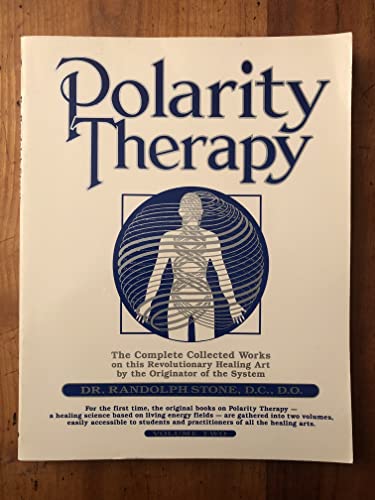
Polarity Therapy The Complete Collected Works Volume 1: Stone D.O. D.C., Randolph
Polarity Therapy The Complete Collected Works Volume 1 [Stone D.O. D.C., Randolph] on Amazon.com. *FREE* shipping on qualifying offers. Polarity Therapy The Complete Collected Works Volume 1
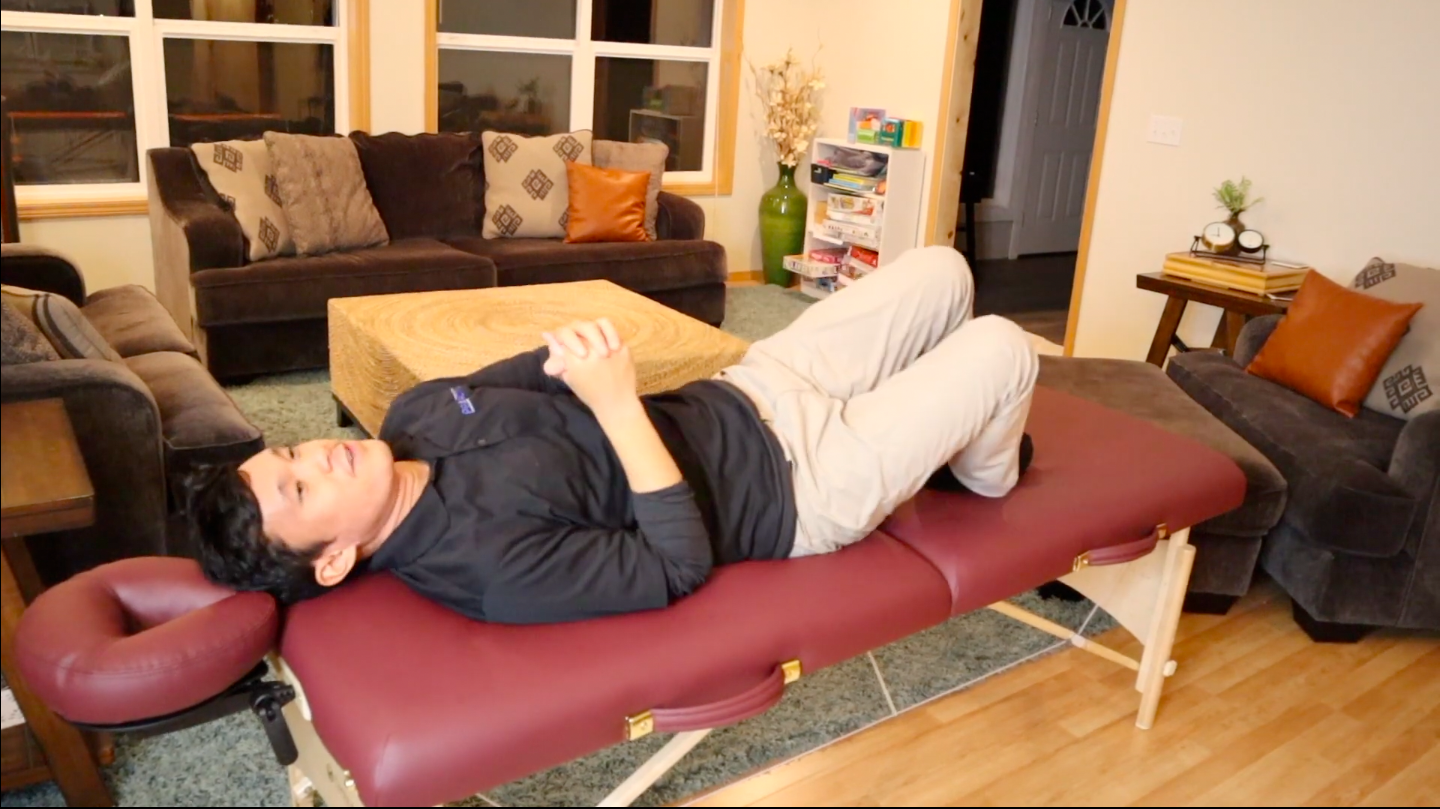
EarthLite Portable Massage Table Harmony ...
Portable · Foldable · Heavy-duty · Lightweight · Professional · With Headrest · Adjustable · Electric · Hydraulic See more · Eligible for Free Shipping · Free Shipping by Amazon · Get FREE Shipping on

Gaiam Essentials Thick Yoga Mat Fitness & Exercise Mat with Easy-Cinch Carrier Strap,Balsam,72"L X 24"W X 2/5 Thick, 10mm
Amazon.com : Gaiam Essentials Thick Yoga Mat Fitness & Exercise Mat with Easy-Cinch Carrier Strap,Balsam,<strong>72"L X 24"W X 2/5 Thick, 10mm</strong> : Sports & Outdoors
Evidence & Sources
Early-stage research, mostly preclinical or preliminary human studies
- National Center for Complementary and Integrative Health (NCCIH)
- Journal of Alternative and Complementary Medicine
- BMC Complementary Medicine and Therapies
- Integrative Cancer Therapies
- American Cancer Society
- World Health Organization (WHO) Traditional, Complementary and Integrative Medicine resources
This content is for informational purposes only and does not constitute medical advice. Always consult a qualified healthcare provider before starting, stopping, or changing any supplement or medication regimen.