

Pilates
Also known as: Pillates, Pilats, Pilate
Overview
Pilates is a mind-body exercise system that emphasizes core control, posture, alignment, breathing, flexibility, and coordinated movement. Developed in the early 20th century by Joseph Pilates, the method includes both mat-based exercises and apparatus-based training using equipment such as the reformer, cadillac, and chair. Unlike some high-intensity training styles, Pilates is generally characterized by precise, low-impact movements designed to improve functional strength and body awareness rather than maximize muscle size.
Pilates is widely used in general fitness, rehabilitation, athletic conditioning, and healthy aging. Its appeal spans a broad range of populations because exercises can often be modified for different ability levels, from beginners to trained athletes. In clinical and wellness settings, Pilates is often discussed in relation to back pain, balance, pelvic floor function, posture, mobility, and quality of life. Research interest has grown over the past two decades, particularly around its role as a structured form of therapeutic exercise.
From a health perspective, Pilates is best understood as a movement modality rather than a single treatment. Its potential benefits may arise from a combination of factors: repeated practice of controlled movement, improved neuromuscular coordination, focused breathing, and increased awareness of how the body moves in space. These elements overlap with broader mind-body exercise traditions, which may partly explain why participants often report changes not only in strength and flexibility, but also in confidence, stress levels, and perceived well-being.
At the same time, the Pilates literature is heterogeneous. Programs vary widely in intensity, instructor training, exercise selection, session frequency, and whether mat or equipment is used. For that reason, findings are often more consistent for broad outcomes such as pain reduction, functional improvement, and balance support than for narrow claims about posture correction or disease-specific benefits. As with other exercise systems, individual response can vary, and people with injuries, chronic pain, pregnancy-related concerns, or complex medical conditions are generally best served by guidance from qualified healthcare and movement professionals.
Medical Perspectives
Two Ways of Seeing Health

Western
scientific · clinical
Western medicine applies science, technology, and clinical experience to treat symptoms through testing, diagnosis, and targeted intervention.

Eastern
traditional · alternative
Eastern medicine focuses on treating the body naturally by applying traditional knowledge practiced for thousands of years, emphasizing balance and whole-person wellness.
Gold Bamboo presents both perspectives side-by-side so you can make informed decisions. We don't advocate for one over the other — your health choices are yours.
Western Medicine Perspective
Western Medicine Perspective
In conventional medicine, Pilates is typically viewed as a form of therapeutic or health-promoting exercise that may support musculoskeletal and functional outcomes. Research has most commonly examined Pilates in relation to chronic low back pain, fall prevention, core endurance, flexibility, and physical function. Systematic reviews and clinical studies suggest that Pilates may help improve pain and disability in some people with chronic nonspecific low back pain, particularly when compared with minimal intervention or usual activity. Studies have also explored benefits for older adults, where Pilates-based programs may contribute to balance, mobility, and confidence in movement.
Western rehabilitation frameworks often focus on the idea that Pilates may enhance motor control, trunk stability, movement efficiency, and proprioception. These mechanisms are especially relevant in physical therapy and sports medicine, where controlled movement patterns and gradual loading are central concepts. Pilates is sometimes integrated into rehabilitation programs for orthopedic recovery, postpartum conditioning, and certain neurological or balance-related concerns, although the strength of evidence varies by condition.
Conventional clinicians also note important limitations in the evidence. Not all studies use standardized protocols, and sample sizes are often modest. Some outcomes are based on self-report, and comparisons against other active exercise approaches do not always show Pilates to be clearly superior. In this context, current evidence generally supports Pilates as a reasonable exercise option within broader movement and rehabilitation strategies, rather than a uniquely effective intervention for all populations or conditions.
Safety is generally favorable when Pilates is taught appropriately and adapted to the individual. However, from a medical perspective, exercise selection matters. Certain spinal, joint, cardiovascular, pregnancy-related, or postoperative situations may require modification or professional screening. Healthcare providers may view Pilates as most useful when it is matched to a person’s functional goals and physical capacity, rather than treated as a one-size-fits-all solution.
Eastern & Traditional Perspective
Eastern/Traditional Medicine Perspective
Although Pilates did not originate within classical Eastern medical systems, its principles align in notable ways with traditional mind-body health concepts. In Traditional Chinese Medicine (TCM), health is often understood as reflecting the smooth flow of qi, balanced organ system function, and harmony between structure and movement. Pilates' emphasis on breath regulation, centered movement, alignment, and coordinated control may be interpreted as supporting circulation, postural balance, and efficient use of internal energy. From this perspective, mindful movement practices are often valued for helping reduce physical stagnation and promote integrated body awareness.
In Ayurveda, movement practices are often considered in terms of how they affect constitution, energy, stability, and nervous system balance. Pilates may be seen as a structured practice that cultivates strength with control, potentially supporting groundedness, coordination, and disciplined breath-movement connection. Its relatively deliberate pacing may be viewed as especially compatible with approaches that seek steadiness and attentiveness rather than excess strain. Practitioners informed by Ayurvedic principles may frame Pilates less as a calorie-burning workout and more as a method for improving functional integrity, posture, and mind-body regulation.
In naturopathic and integrative medicine settings, Pilates is often grouped with yoga, tai chi, and functional exercise as a modality that may support self-regulation, resilience, recovery, and preventive wellness. The traditional and integrative lens tends to place value on consistency, quality of movement, breath awareness, and the relationship between physical tension and mental stress. While these frameworks may describe benefits in holistic terms, they generally rely more on longstanding clinical tradition and whole-person philosophy than on the kind of condition-specific evidence expected in conventional biomedicine.
Because Pilates is a modern movement system rather than a traditional medical doctrine, Eastern and traditional interpretations are best understood as applied frameworks rather than historical origins. Individuals exploring Pilates within a holistic care model may still benefit from consulting qualified professionals when symptoms, injuries, or chronic health issues are present.
Supplements & Products
Recommended Products
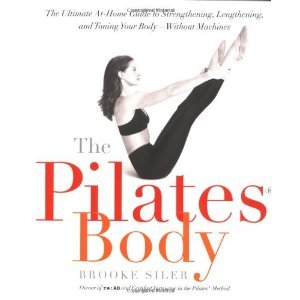
The Pilates Body: The Ultimate At
Now, in The Pilates® Body, author Brooke Siler--<strong>one of the most sought-after personal trainers in the country and owner of New York's top studio for Pilates training</strong>, re:AB--prov

STOTT PILATES Deluxe Pilates Mat (Graphite) 0.6 inch / 15 mm : Pilates Floor Mats
Amazon.com : STOTT PILATES Deluxe Pilates Mat (Graphite) 0.6 inch / 15 mm : Pilates Floor Mats : Sports & Outdoors
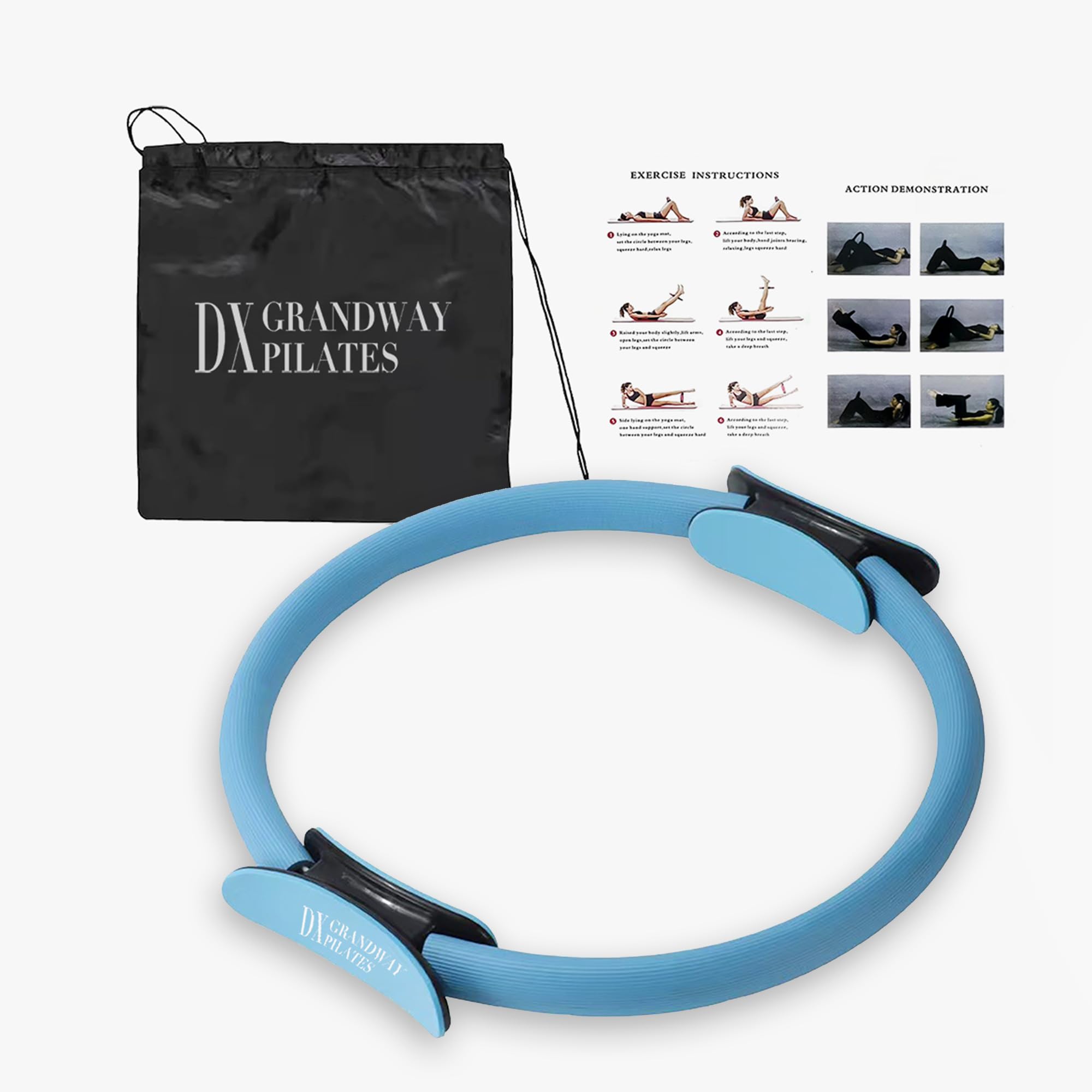
Balanced Body Ultra-Fit Circle Pilates Ring, Body Ring, Great Exercisers for Legs, Fitness Circle, Thigh Exercise, Pilates Circle, Pilate Ring Fitness Equipment for Home or Studio
Balanced Body Ultra-Fit Circle Pilates Ring, Body Ring, Great Exercisers for Legs, Fitness Circle, Thigh Exercise, Pilates Circle, Pilate Ring Fitness Equipment for Home or Studio · URBNFit Pilates Ri
Evidence & Sources
Promising research with growing clinical support from multiple studies
- Cochrane Database of Systematic Reviews
- Journal of Orthopaedic & Sports Physical Therapy
- British Journal of Sports Medicine
- Journal of Bodywork and Movement Therapies
- National Center for Complementary and Integrative Health (NCCIH)
- World Health Organization (WHO)
- Sports Medicine
- Archives of Physical Medicine and Rehabilitation
This content is for informational purposes only and does not constitute medical advice. Always consult a qualified healthcare provider before starting, stopping, or changing any supplement or medication regimen.