

Osteopathy
Also known as: Osteopathic Medicine, Osteopothy, Osteo Pathey
Overview
Osteopathy is a hands-on healthcare modality centered on the relationship between the body’s structure and function. Originating in the late 19th century through the work of Andrew Taylor Still, osteopathy developed from the idea that the body has an inherent capacity for self-regulation and healing, and that restrictions in muscles, joints, connective tissues, and circulation may contribute to pain or impaired function. In practice, osteopathic care often includes manual techniques aimed at improving mobility, reducing tension, and supporting overall physical function.
The term can mean somewhat different things depending on geography. In the United States, osteopathic physicians (DOs) are fully licensed medical doctors who receive conventional medical training along with additional education in osteopathic principles and osteopathic manipulative treatment (OMT). In many other countries, osteopaths are non-physician manual practitioners whose work focuses primarily on musculoskeletal assessment and treatment. This distinction is important when interpreting research, regulation, and scope of practice.
Osteopathic techniques may include soft tissue work, joint articulation, muscle energy techniques, myofascial release, balanced ligamentous tension, and, in some settings, high-velocity low-amplitude manipulation. These methods are commonly used in the context of back pain, neck pain, headaches, sports-related complaints, posture-related strain, and functional mobility issues. Some osteopathic traditions also describe broader effects on breathing mechanics, lymphatic flow, autonomic balance, and whole-body coordination, although these broader claims vary in evidentiary support.
Interest in osteopathy has grown as more patients seek non-pharmacologic approaches for pain and functional complaints. Research suggests that osteopathic manual approaches may offer benefit for certain musculoskeletal conditions, particularly low back pain, though results are mixed across indications and study designs. As with other manual therapies, outcomes can depend on practitioner training, the specific technique used, the condition being treated, and whether care is integrated with exercise, rehabilitation, or standard medical management. Consultation with appropriately licensed healthcare professionals remains important, especially when symptoms are severe, unexplained, or associated with neurological or systemic warning signs.
Medical Perspectives
Two Ways of Seeing Health

Western
scientific · clinical
Western medicine applies science, technology, and clinical experience to treat symptoms through testing, diagnosis, and targeted intervention.

Eastern
traditional · alternative
Eastern medicine focuses on treating the body naturally by applying traditional knowledge practiced for thousands of years, emphasizing balance and whole-person wellness.
Gold Bamboo presents both perspectives side-by-side so you can make informed decisions. We don't advocate for one over the other — your health choices are yours.
Western Medicine Perspective
Western Medicine Perspective
From a conventional medical standpoint, osteopathy is typically viewed through the lens of manual medicine, biomechanics, pain science, and rehabilitation. The strongest clinical attention has been on osteopathic manipulative treatment (OMT) for musculoskeletal conditions, especially acute and chronic low back pain. Studies indicate that some patients experience modest improvements in pain and function, similar to effects seen with other hands-on therapies such as physical therapy, chiropractic manipulation, or massage-based approaches. Clinical guidelines for low back pain increasingly include manual therapy as one possible non-drug option within a broader conservative care plan.
In the United States, DOs practice across all medical specialties, and many do not use OMT routinely. When OMT is used, it is generally framed as an adjunctive technique rather than a replacement for diagnostic evaluation or standard care. Conventional medicine emphasizes screening for red flags—such as fracture, infection, malignancy, severe neurological deficit, inflammatory disease, or vascular causes—before manual treatment is considered. Safety is also assessed carefully, since some manipulative approaches may be inappropriate in the presence of osteoporosis, spinal instability, anticoagulation, certain connective tissue disorders, or acute trauma.
Evidence outside musculoskeletal care is more limited. Research has explored osteopathic approaches in areas such as postoperative recovery, pregnancy-related back pain, infant feeding or colic, respiratory conditions, and headache disorders, but findings are often inconsistent or based on small trials. As a result, conventional medicine generally regards osteopathy as best supported for selected pain and mobility-related complaints, while broader systemic claims remain less certain and continue to be investigated.
Eastern & Traditional Perspective
Eastern/Traditional Medicine Perspective
Although osteopathy arose in the West rather than in Asia, its philosophy shares some themes with traditional and holistic medical systems. Like Traditional Chinese Medicine (TCM), Ayurveda, and many naturopathic traditions, osteopathy places emphasis on the body as an integrated whole rather than a set of isolated parts. Practitioners often describe how restrictions in structure can influence circulation, nerve signaling, movement patterns, and the body’s self-regulatory capacity. This whole-person orientation overlaps conceptually with traditional systems that relate health to balance, flow, and interconnected function.
From a TCM-informed perspective, osteopathic manipulation may be seen as indirectly supporting the smooth movement of qi and blood by reducing physical stagnation, tension, and impaired mechanics in muscles and fascia. While osteopathy does not use the language of meridians, yin-yang, or organ pattern differentiation, its attention to alignment, tissue restriction, respiration, and fluid movement can appear philosophically compatible with East Asian manual practices such as tui na and certain forms of therapeutic bodywork.
In Ayurvedic and naturopathic frameworks, the osteopathic focus on structure-function relationships may be understood as helping restore balance in the musculoskeletal and nervous systems, potentially supporting broader vitality when combined with lifestyle, movement, and constitutional care. That said, these parallels are mainly conceptual rather than evidence-based equivalencies. Traditional systems interpret pain and dysfunction through their own diagnostic models, and osteopathy remains a distinct modality with its own training, history, and therapeutic rationale.
Across integrative settings, osteopathy is often valued for its hands-on, individualized, low-drug approach. However, traditional and integrative practitioners generally also acknowledge the importance of medical evaluation when symptoms suggest underlying disease, trauma, infection, or progressive neurological involvement.
Supplements & Products
Recommended Products
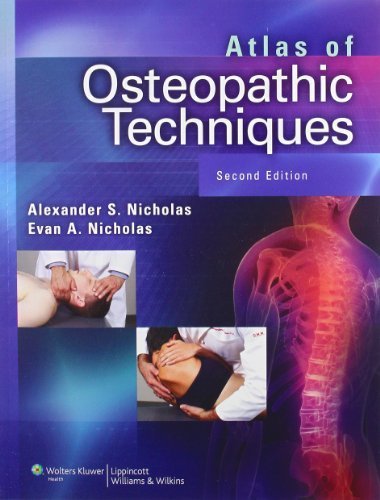
Atlas of Osteopathic Techniques: Nicholas DO FAAO, Alexander S., Nicholas DO, Evan A.
<strong>An essential reference for coursework, exam preparation, clinical rotations, and day-to-day clinical practice</strong>, Atlas of Osteopathic Techniques delivers step-by-step, full-color guidan

Thera Cane Massager (Blue), Proudly Made in The USA Since 1988
Buy Thera Cane Massager (Blue), Proudly Made in The USA Since 1988 on Amazon.com ✓ FREE SHIPPING on qualified orders

TriggerPoint GRID Foam Roller for Exercise, Deep Tissue Massage and Muscle Recovery, Original (13-Inch)
The 13-inch GRID X features <strong>extra dense foam for working the tightest muscles</strong>. Purchase of any TriggerPoint GRID foam roller includes free access to an online instructional video libr
Evidence & Sources
Promising research with growing clinical support from multiple studies
- NCCIH (National Center for Complementary and Integrative Health)
- American Osteopathic Association
- The Journal of the American Osteopathic Association
- BMJ
- Annals of Internal Medicine
- Cochrane Reviews
- World Health Organization
- BMC Musculoskeletal Disorders
This content is for informational purposes only and does not constitute medical advice. Always consult a qualified healthcare provider before starting, stopping, or changing any supplement or medication regimen.