

Orthomolecular Medicine
Also known as: Orthomolecular Therapy, Ortomoledular, Ortho Molecule
Overview
Orthomolecular medicine is a form of complementary and alternative medicine centered on the idea that health can be optimized by adjusting the concentration of substances normally present in the body, especially vitamins, minerals, amino acids, fatty acids, and other nutrients. The term was popularized in the late 1960s by chemist Linus Pauling, who described orthomolecular approaches as preserving good health and treating disease by varying the concentrations of molecules natural to the human body. In practice, this often involves high-dose nutrient supplementation, individualized nutrition protocols, and the belief that biochemical uniqueness helps explain why people respond differently to diet and illness.
Orthomolecular concepts overlap with broader nutritional medicine, but the field is distinct in its emphasis on targeted or sometimes megadose supplementation as a central therapeutic strategy. Advocates have explored its use in a wide range of conditions, including mood disorders, cardiovascular health, immune support, metabolic concerns, and general wellness. Its appeal often rests on a relatively intuitive premise: if nutrient deficiencies can impair health, then optimizing nutrient status might improve physiological function. However, the field extends this idea further than mainstream nutrition science typically does, particularly when it proposes very high doses of specific nutrients for prevention or treatment.
From a public health perspective, the topic is significant because dietary supplements are widely used worldwide, and interest in personalized, non-pharmaceutical health strategies continues to grow. Research clearly supports the importance of avoiding and correcting true nutrient deficiencies such as vitamin C deficiency, iron deficiency, vitamin D insufficiency in some populations, or folate deficiency in pregnancy-related contexts. The more controversial question is whether large doses beyond established nutritional requirements provide added benefit for people without deficiency, or for those with complex chronic illnesses. This is where orthomolecular medicine often diverges from conventional practice.
A balanced understanding requires separating several different claims: basic nutritional adequacy, correction of documented deficiency, personalized nutrient optimization, and high-dose nutrient therapy for disease treatment. These are not equally supported by evidence. While nutrition is foundational to health, many orthomolecular applications remain debated because high-quality clinical evidence is inconsistent, condition-specific, or limited, and because some supplements at high doses carry real risks, including toxicity, drug interactions, and delayed access to standard medical care. For that reason, discussions of orthomolecular medicine are most meaningful when framed within evidence quality, clinical context, and professional oversight.
Medical Perspectives
Two Ways of Seeing Health

Western
scientific · clinical
Western medicine applies science, technology, and clinical experience to treat symptoms through testing, diagnosis, and targeted intervention.

Eastern
traditional · alternative
Eastern medicine focuses on treating the body naturally by applying traditional knowledge practiced for thousands of years, emphasizing balance and whole-person wellness.
Gold Bamboo presents both perspectives side-by-side so you can make informed decisions. We don't advocate for one over the other — your health choices are yours.
Western Medicine Perspective
Western Medicine Perspective
In conventional medicine, the strongest support exists for identifying and correcting documented nutrient deficiencies and for using specific supplements in well-defined clinical situations. Examples include folic acid in reproductive health, vitamin B12 for deficiency states, iron for iron-deficiency anemia, or vitamin D in selected populations at risk of low levels. Mainstream nutrition and medical practice also recognize that some diseases, medications, gastrointestinal disorders, restrictive diets, and life stages can alter nutrient needs. In this sense, part of orthomolecular thinking aligns with established medicine: nutrition matters deeply, and biochemistry does vary among individuals.
Where conventional medicine becomes more cautious is in the broader orthomolecular claim that high-dose supplementation can routinely prevent or treat a wide spectrum of diseases. Major medical organizations generally note that evidence for megavitamin or meganutrient therapy is often mixed, insufficient, or condition-specific. Large randomized trials have found that some supplements do not produce the hoped-for benefits in general populations, and in certain cases may be associated with harm. Examples often cited in the literature include increased risk concerns with excessive beta-carotene in smokers, neuropathy from too much vitamin B6, hepatotoxicity with excess niacin in some contexts, hypercalcemia from too much vitamin D, and interactions between supplements and prescription drugs.
Conventional clinicians typically evaluate orthomolecular claims through the lens of dose, indication, safety, and evidence quality. If a nutrient has a plausible mechanism and a deficiency or special need is present, supplementation may be considered appropriate. If doses greatly exceed established upper limits, however, the burden of evidence becomes much higher. Western medicine therefore tends to distinguish evidence-based clinical nutrition from broad orthomolecular protocols that rely on extensive testing of uncertain validity, generalized claims of biochemical individuality, or treatment models not consistently confirmed in peer-reviewed trials. The prevailing view is not that nutrients are unimportant, but that more is not automatically better, and that preventive and therapeutic claims require rigorous demonstration.
Eastern & Traditional Perspective
Eastern/Traditional Medicine Perspective
Traditional medical systems generally do not use the term orthomolecular medicine, yet they share certain philosophical themes with it, especially the idea that health depends on maintaining internal balance through daily nourishment. In Traditional Chinese Medicine (TCM), food and herbs are often understood according to qualities such as warming, cooling, moistening, drying, tonifying, or moving. Rather than focusing on isolated vitamins or biochemical pathways, TCM traditionally interprets symptoms through broader patterns such as deficiencies of Qi, Blood, Yin, or Yang, and digestive function often plays a central role in overall vitality. Nutritional support is therefore seen as part of restoring systemic harmony, though not usually through the modern orthomolecular framework of high-dose single nutrients.
In Ayurveda, health is closely linked to digestion, assimilation, tissue nourishment, and balance among the doshas. Foods, herbs, routines, and digestive strength are emphasized more than isolated nutrient concentrations. Nonetheless, Ayurveda and other traditional systems have long recognized that weakness, depletion, poor recovery, and susceptibility to illness may reflect inadequate nourishment. Rasayana traditions, tonic herbs, and restorative dietary practices can be viewed as broad analogues to the orthomolecular goal of supporting resilience, although they arise from very different theories of physiology.
Naturopathic medicine tends to have the greatest overlap with orthomolecular concepts among traditional and integrative systems. Naturopathic approaches often emphasize therapeutic nutrition, individualized supplementation, gut health, and support for metabolic and detoxification pathways. In integrative practice, orthomolecular methods may be combined with botanical medicine, lifestyle counseling, and functional assessments. Even within these communities, however, approaches vary substantially. Some practitioners focus on correcting likely insufficiencies and diet quality, while others use extensive supplementation protocols that remain more controversial from an evidence-based standpoint.
From an eastern and traditional perspective, the main point of convergence is the belief that internal terrain matters and that restoring nourishment can influence health outcomes. The main point of divergence is methodological: traditional systems usually emphasize whole-person balance, digestion, constitution, and food-based healing, whereas orthomolecular medicine often centers on isolated nutrients in concentrated doses. As a result, traditional frameworks may resonate with the underlying intention of orthomolecular care while differing significantly in theory, diagnostic language, and therapeutic style.
Supplements & Products
Recommended Products
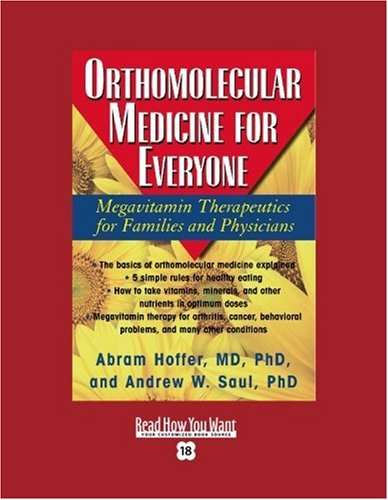
Orthomolecular Medicine for Everyone: Megavitamin Therapeutics for Families and Physicians: Abram Hoffer, Andrew W. Saul
Abram Hoffer and Andrew W. Saul are experts in the field of nutrition, and Orthomolecular Medicine for Everyone is <strong>an authoritative guide to the use of megavitamin treatments for a wide range
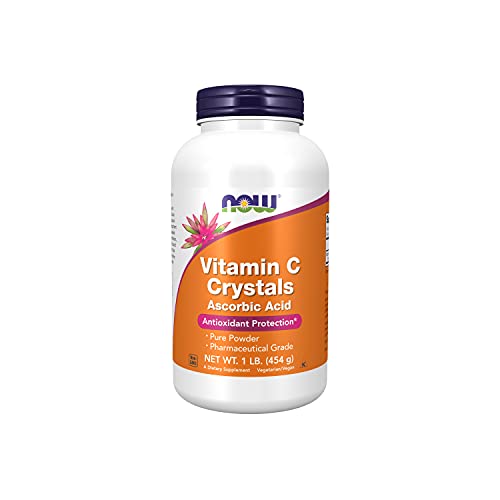
NOW Supplements, Vitamin C Crystals (Ascorbic Acid), Antioxidant Protection*, 1-Pound
Buy NOW Supplements, Vitamin C Crystals (Ascorbic Acid), Antioxidant Protection*, 1-Pound on Amazon.com ✓ FREE SHIPPING on qualified orders

Solgar Niacin (Vitamin B3) 500 mg, 250 Vegetable Capsules - Energy Metabolism - Non-GMO, Vegan, Gluten Free, Dairy Free, Kosher - 250 Servings
Vitamin B3; Niacin (also known as vitamin B3) is <strong>a water-soluble vitamin and is part of the B Complex</strong>; This formulation provides 500 mg per serving · Energy Metabolism; Niacin is requ
Evidence & Sources
Promising research with growing clinical support from multiple studies
- National Center for Complementary and Integrative Health (NCCIH)
- National Institutes of Health Office of Dietary Supplements
- World Health Organization (WHO)
- New England Journal of Medicine
- JAMA
- Annals of Internal Medicine
- Cochrane Database of Systematic Reviews
- The Lancet
- American Cancer Society
- European Journal of Clinical Nutrition
This content is for informational purposes only and does not constitute medical advice. Always consult a qualified healthcare provider before starting, stopping, or changing any supplement or medication regimen.