

Moxibustion
Also known as: Moxa, Moxa Therapy, Moxabustion
Overview
Moxibustion is a traditional heat-based therapy most closely associated with Traditional Chinese Medicine (TCM), though related practices also appear in Japanese, Korean, and other East Asian medical systems. It involves burning processed mugwort (usually Artemisia argyi or related species), often in the form of a stick, cone, or loose wool, near or on specific acupuncture points, channels, or body regions. The goal in traditional practice is to provide deep, penetrating warmth and to influence the body's functional balance, especially in patterns described as cold, deficiency, or stagnation.
People often encounter moxibustion in discussions of musculoskeletal pain, digestive weakness, fatigue, menstrual concerns, reproductive health support, and recovery states associated in traditional frameworks with insufficient warmth or circulation. In modern integrative settings, it may be used alongside acupuncture, bodywork, herbal medicine, or rehabilitation-based care. Depending on the method, moxibustion can be direct (small cones placed on or very near the skin, sometimes separated by a medium) or indirect (a moxa stick held above the skin, moxa used on acupuncture needles, or warming boxes/devices applied over an area).
From a biomedical standpoint, moxibustion is generally understood as a form of localized thermal stimulation with possible secondary effects involving circulation, sensory nerve signaling, connective tissue responses, and patient relaxation. Researchers have examined it for a range of conditions, but the quality of evidence varies substantially by indication. One of the most discussed areas is breech presentation in pregnancy, where studies and reviews have explored moxibustion at the acupuncture point BL67. Other investigated areas include osteoarthritis, low back pain, gastrointestinal symptoms, and cancer supportive care, though findings are mixed and not uniform across clinical contexts.
Moxibustion also raises practical considerations. Because it involves heat and smoke, questions commonly arise about skin irritation, burns, indoor air quality, odor sensitivity, asthma, and use during pregnancy or in medically complex individuals. For these reasons, balanced educational discussions typically note that moxibustion is a traditional modality with a long historical record and growing research interest, but one that benefits from qualified practitioner oversight and appropriate medical consultation, especially when used in vulnerable populations or alongside conventional treatment.
Medical Perspectives
Two Ways of Seeing Health

Western
scientific · clinical
Western medicine applies science, technology, and clinical experience to treat symptoms through testing, diagnosis, and targeted intervention.

Eastern
traditional · alternative
Eastern medicine focuses on treating the body naturally by applying traditional knowledge practiced for thousands of years, emphasizing balance and whole-person wellness.
Gold Bamboo presents both perspectives side-by-side so you can make informed decisions. We don't advocate for one over the other — your health choices are yours.
Western Medicine Perspective
Western / Conventional Medicine Perspective
In conventional medicine, moxibustion is not part of standard first-line treatment guidelines for most conditions, but it is studied within the broader field of complementary and integrative medicine. The main biomedical hypotheses focus on heat application, local vasodilation, modulation of pain signaling, and possible neuroimmune effects triggered by thermal stimulation at defined body sites. Some researchers also examine whether ritual, expectation, and the therapeutic encounter contribute to reported benefits, which is common in studies of acupuncture-related modalities.
The evidence base is heterogeneous. Systematic reviews have reported possible benefit in certain settings, but many studies are limited by small sample sizes, inconsistent protocols, difficulty with blinding, and variable outcome measures. The most frequently cited conventional research area is correction of breech presentation, where some reviews suggest moxibustion may increase fetal movement and the likelihood of cephalic version in some populations, though study quality and applicability remain debated. For pain conditions such as osteoarthritis or low back pain, research suggests potential symptom relief in some trials, but the certainty of evidence is often low to moderate rather than definitive.
Safety is an important part of the conventional discussion. Potential adverse effects include burns, blistering, allergic or smoke-related irritation, cough or respiratory discomfort, and rare infection risk when skin integrity is compromised. Smoke-free or smokeless moxibustion products have been developed to address air-quality concerns, but these may differ from traditional methods. In medical settings, clinicians generally emphasize that moxibustion should not replace evaluation for serious symptoms and that anyone considering it—particularly those who are pregnant, have neuropathy, vascular disease, respiratory illness, or reduced heat sensitivity—may benefit from discussing it with an appropriate healthcare professional.
Eastern & Traditional Perspective
Eastern / Traditional Medicine Perspective
In Traditional Chinese Medicine, moxibustion is valued for its ability to warm the channels, dispel cold, support yang, move qi and blood, and help restore functional balance. It is often discussed in patterns involving cold accumulation, yang deficiency, or stagnation, where symptoms may include pain relieved by warmth, fatigue, loose stools, cold limbs, menstrual discomfort, or a sense of depleted vitality. Classical texts describe moxa as particularly useful when warming is considered therapeutically important and when needling alone is thought to be insufficient.
Moxibustion may be applied to acupuncture points, along meridians, or over broader abdominal and back regions associated in TCM with digestive and constitutional strength. Traditional practitioners also distinguish between different techniques—such as gentle warming, sparrow-pecking, needle-top moxa, ginger or salt-separated moxa, and direct cone methods—based on the individual's pattern presentation. In this framework, the therapy is not selected solely by disease label but by a broader assessment of pulse, tongue, symptom quality, thermal tendencies, and overall constitution.
In Japanese meridian therapy and related East Asian traditions, moxibustion may be used in highly refined, often subtler forms, including very small rice-grain moxa applications intended to regulate meridian function with minimal heat burden. In Ayurvedic and naturopathic circles, while classical moxibustion is not a native therapy in the same sense as in Chinese medicine, warming therapies are sometimes interpreted through parallel ideas such as enhancing circulation, supporting digestive fire, or countering cold and sluggish states. Across these traditional systems, moxibustion is generally viewed less as a stand-alone procedure and more as one component of a pattern-based, individualized therapeutic approach.
Traditional sources and contemporary practitioners commonly note that moxibustion is used with care in cases characterized by excess heat, inflammatory flare, fever, or dryness, and near sensitive anatomical regions. As with other traditional modalities, modern integrative practice often frames these decisions within both classical diagnostic theory and contemporary safety standards.
Supplements & Products
Recommended Products
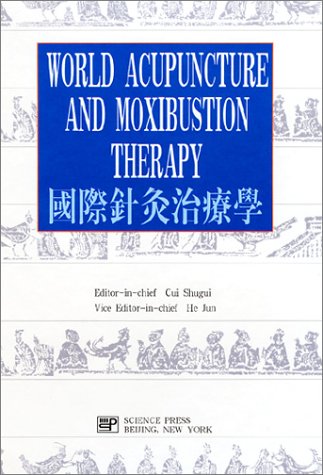
Chinese Acupuncture and Moxibustion (4th Edition, First Printing, October 2019): Cheng Xinnong
Chinese Acupuncture and Moxibustion (4th Edition, First Printing, October 2019) [Cheng Xinnong] on Amazon.com. *FREE* shipping on qualifying offers. Chinese Acupuncture and Moxibustion (4th Edition, F
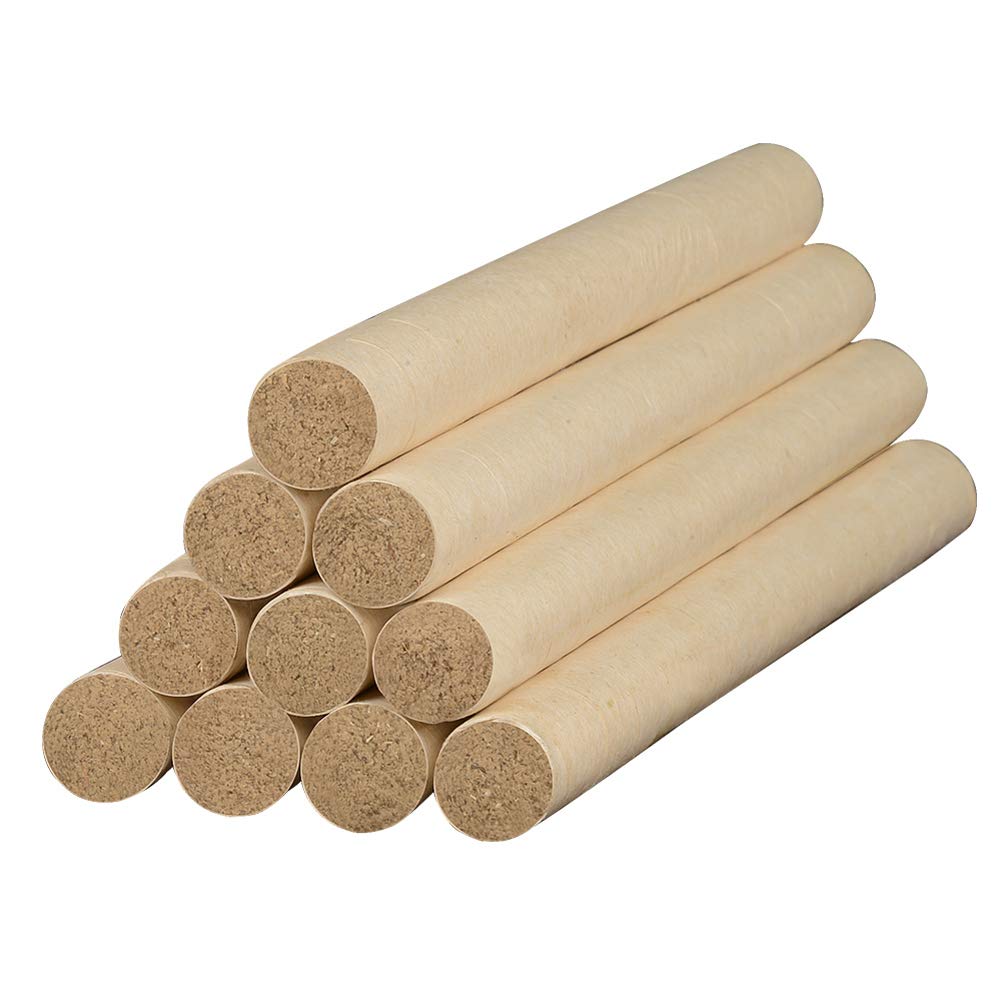
Moxa Stick Argyi ai ye Roller Artemisia Bar Wormwood Leaf for Mild Moxibustion (10-Piece) (18-100mm)
Moxa Roller Bar is completely made ... of Artemisia argyi levl. et Vant, The fresh mugwort is a delicious food in China. Multiple functions. The moxa roller bar can be used indoor and for moxibustion,
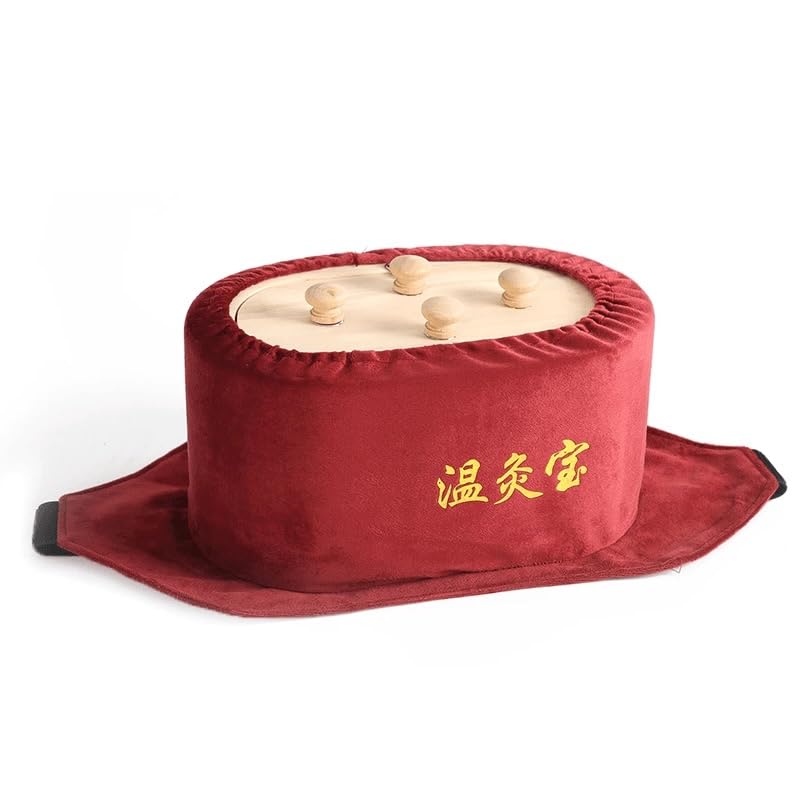
Aerkenga Smokeless Moxa Box with Slide & Pull Temperature Control - Portable Wooden Moxibustion Device for Neck Back Knee Pain Relief, Adjustable Moxibustion Kit for Men Women, Home Use Wellness Gift
Designed for full-body wellness. <strong>Effectively targets neck stiffness, lower back pain, sore shoulders, knee discomfort, and abdominal coldness</strong>. The adjustable strap ensures a secure fi
Evidence & Sources
Promising research with growing clinical support from multiple studies
- World Health Organization (WHO) Traditional Medicine resources
- National Center for Complementary and Integrative Health (NCCIH)
- Cochrane Database of Systematic Reviews
- BMJ Open
- PLOS ONE
- Evidence-Based Complementary and Alternative Medicine
- Journal of Alternative and Complementary Medicine
- American Journal of Obstetrics and Gynecology
This content is for informational purposes only and does not constitute medical advice. Always consult a qualified healthcare provider before starting, stopping, or changing any supplement or medication regimen.