

Mindfulness-Based Stress Reduction
Also known as: MBSR, Mindfulness Stress Reduction
Overview
Mindfulness-Based Stress Reduction (MBSR) is a structured mind-body program developed in the late 1970s by Jon Kabat-Zinn at the University of Massachusetts Medical Center. It typically combines mindfulness meditation, body scanning, gentle yoga or mindful movement, and group-based reflection over an organized course format. The central aim is not to eliminate stress entirely, but to cultivate a different relationship to stress, discomfort, and difficult thoughts or emotions through sustained, nonjudgmental awareness of present-moment experience.
MBSR is widely used in both clinical and community settings for concerns such as stress, anxiety symptoms, chronic pain, burnout, sleep disturbance, and emotional regulation challenges. Interest has expanded well beyond meditation communities into hospitals, behavioral health programs, corporate wellness initiatives, and academic medicine. Its popularity reflects a broader recognition that chronic psychological stress can affect multiple body systems, including sleep, immune function, cardiovascular health, pain perception, and mental well-being.
As a modality, MBSR occupies a distinctive space between psychotherapy, meditation training, and preventive health practice. It is often described as secular and skills-based, even though many of its core practices draw from contemplative traditions, especially Buddhist meditation. Rather than focusing on belief systems, MBSR emphasizes direct observation of breathing, bodily sensations, thoughts, and emotions. Research suggests this training may improve stress resilience, attention regulation, self-awareness, and coping capacity, with effects varying by population and condition.
At the same time, MBSR is not best understood as a universal solution or stand-alone treatment for every health concern. Outcomes differ depending on the quality of instruction, participant engagement, symptom severity, and whether it is used alongside conventional medical or mental health care. For individuals with significant trauma histories, severe depression, psychosis, or acute psychiatric instability, mindfulness practices may require adaptation and clinical oversight. In this context, MBSR is best viewed as a well-studied supportive modality that may complement broader care rather than replace it.
Medical Perspectives
Two Ways of Seeing Health

Western
scientific · clinical
Western medicine applies science, technology, and clinical experience to treat symptoms through testing, diagnosis, and targeted intervention.

Eastern
traditional · alternative
Eastern medicine focuses on treating the body naturally by applying traditional knowledge practiced for thousands of years, emphasizing balance and whole-person wellness.
Gold Bamboo presents both perspectives side-by-side so you can make informed decisions. We don't advocate for one over the other — your health choices are yours.
Western Medicine Perspective
Western / Conventional Medicine Perspective
From a conventional medical standpoint, MBSR is generally understood as a behavioral and mind-body intervention that may influence health through several overlapping mechanisms. These include changes in attention regulation, emotional processing, cognitive reactivity, autonomic nervous system balance, and perceived stress response. Studies indicate that mindfulness training may reduce rumination, improve tolerance of distress, and alter how pain and stress are interpreted, even when external circumstances do not change. Researchers have also explored effects on biomarkers such as cortisol patterns, inflammatory signaling, and neural networks involved in self-referential thinking and executive control, though findings are mixed and not uniform across studies.
In clinical research, MBSR has shown the strongest support for helping reduce perceived stress and improving some aspects of anxiety, depressive symptoms, chronic pain coping, and quality of life. Evidence is especially notable in populations with chronic illness, cancer-related distress, recurrent stress symptoms, and occupational burnout. However, effect sizes are often small to moderate, and MBSR is not considered a replacement for evidence-based treatment when a diagnosable medical or psychiatric disorder requires direct care. In chronic pain, for example, research often suggests greater benefit for pain acceptance, function, and distress reduction than for eliminating pain intensity itself.
Conventional medicine also emphasizes important limitations. Study quality varies, control groups are inconsistent, and mindfulness programs can differ in format and instructor expertise. Some benefits may overlap with non-specific therapeutic factors such as group support, expectation, and scheduled self-care. In addition, mindfulness practice is not universally neutral; a minority of participants may experience heightened anxiety, dissociation, or emotional discomfort, particularly if practices are intensive or insufficiently tailored. For this reason, many clinicians frame MBSR as a complementary intervention that may be integrated with psychotherapy, rehabilitation, pain medicine, or lifestyle-based care under appropriate professional guidance.
Eastern & Traditional Perspective
Eastern / Traditional Medicine Perspective
From an eastern and traditional lens, MBSR resonates strongly with long-standing contemplative systems that view mind, body, breath, and awareness as inseparable. Although MBSR was designed as a secular medical program, many of its core practices resemble forms of Buddhist mindfulness meditation, particularly the cultivation of sustained attention, non-attachment, and observation of mental activity without immediate reaction. In these traditions, suffering is often understood as being intensified by habitual craving, aversion, fear, and identification with thoughts. Mindfulness practice is traditionally used to cultivate clarity, equanimity, and insight into these patterns.
In Traditional Chinese Medicine (TCM) and related East Asian frameworks, stress-related symptoms are often interpreted through patterns involving disrupted flow of qi, imbalance between organ systems, or dysregulation of the shen (spirit or mind). Practices emphasizing breath, posture, stillness, and gentle movement are traditionally seen as supporting internal regulation and restoring harmony between mental and physical states. While MBSR is not a classical TCM treatment, its emphasis on body awareness and calm attentiveness can be viewed as compatible with approaches intended to settle agitation, improve resilience, and support overall balance.
In Ayurveda, stress may be discussed in terms of disturbances in the doshas, especially excess vata, along with depletion of mental steadiness and vitality. Meditative awareness, breath-centered practice, and mindful movement have traditionally been used to cultivate grounding, clarity, and a more regulated nervous system response. Naturopathic and integrative traditions similarly regard mindfulness as a tool that may support the body's self-regulatory capacity, particularly when stress is contributing to sleep disruption, fatigue, tension, digestive discomfort, or emotional overwhelm.
Traditional systems generally place MBSR-like practices within a broader philosophy of daily regulation, self-observation, and balance, rather than symptom management alone. In that context, mindfulness is often understood not just as stress reduction, but as a discipline of awareness that may gradually influence behavior, perception, and resilience over time. Even so, qualified practitioners in traditional systems also recognize that complex mental health symptoms may require individualized assessment and collaboration with licensed medical or mental health professionals.
Supplements & Products
Recommended Products
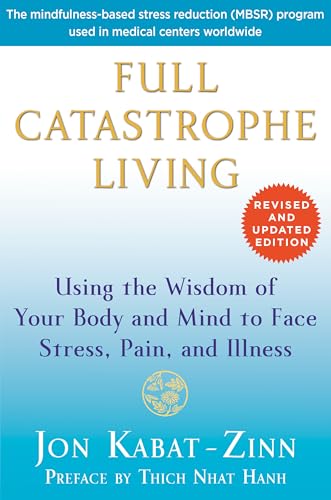
Full Catastrophe Living (Revised Edition): Using the Wisdom of Your Body and Mind to Face Stress, Pain, and Illness: Kabat-Zinn, Jon, Hanh, Thich Nhat
This second edition, building on the first, is sure to become a treasured sourcebook and traveling companion for new generations who seek the wisdom to live full and fulfilling lives.”—Diana Chapman W

Guided Mindfulness Meditation Series 1: A Complete Guided Mindfulness Meditation Program from Jon Kabat-Zinn: Kabat-Zinn Ph.D., Jon
Through a number of research studies, ... tool for dealing with stress, chronic pain, and other illnesses. Now with this <strong>four-part home training course</strong>, Jon Kabat-Zinn offers listener

Retrospec Sedona Zafu Meditation Cushion with Buckwheat Hull Fill - Adjustable Yoga & Pilates Equipment Support - 17in Crescent Cotton Cover
NATURAL COMFORT & SUPPORT: Filled ... you're meditating or relaxing · ECO-FRIENDLY DESIGN: <strong>The 100% cotton cover keeps your workout space free from microplastics</strong>....
Evidence & Sources
Supported by multiple clinical trials and systematic reviews
- JAMA Internal Medicine
- Clinical Psychology Review
- PLOS ONE
- Mindfulness
- National Center for Complementary and Integrative Health (NCCIH)
- American Psychological Association
- The Lancet
- University of Massachusetts Medical School Center for Mindfulness
This content is for informational purposes only and does not constitute medical advice. Always consult a qualified healthcare provider before starting, stopping, or changing any supplement or medication regimen.