

Light Therapy
Also known as: Phototherapy, Light Therphy, Lite Therapy
Overview
Light therapy is a therapeutic modality that uses exposure to natural daylight, bright artificial light, or specific wavelengths of light for health-related purposes. The term most commonly refers to bright light therapy used for mood and circadian rhythm disorders, particularly seasonal affective disorder (SAD), but it can also include applications such as blue light for circadian timing, red and near-infrared light for photobiomodulation, and medically supervised light-based treatments in dermatology. The core idea is that light acts as a biological signal: it helps regulate the body’s internal clock, influences hormone release, and can affect sleep, alertness, mood, and some aspects of cellular function.
Light has a powerful role in human physiology because the retina communicates directly with brain regions involved in circadian rhythm regulation, especially the suprachiasmatic nucleus. Morning light exposure is associated with shifts in melatonin timing, improved wakefulness, and better alignment of sleep-wake cycles. For this reason, light therapy has been studied in seasonal depression, nonseasonal depression, jet lag, shift work-related circadian disruption, and some sleep disorders. In other settings, targeted wavelengths have been investigated for wound healing, musculoskeletal discomfort, oral mucositis, and neurological recovery, though the quality of evidence varies considerably by indication.
A central challenge in understanding light therapy is that it is not one single intervention. Outcomes depend on multiple variables, including wavelength, intensity, timing, duration, distance from the device, and consistency of use. Bright light therapy for SAD is among the best studied forms, while many newer commercial uses of red light or other wavelength-based devices remain areas of active research rather than settled clinical practice. Safety considerations also vary: light-based interventions are often well tolerated, but factors such as eye health, bipolar spectrum conditions, photosensitizing medications, and underlying medical disorders can affect suitability and risks.
From a broader integrative health perspective, light therapy is often viewed as a bridge between environmental medicine and mind-body regulation. Conventional medicine tends to frame it through neurobiology, circadian science, and evidence from controlled trials, while traditional systems may interpret its effects through rhythm, vitality, seasonal balance, and the relationship between humans and natural cycles. Because light strongly influences biological timing and behavior, many experts consider it a meaningful nonpharmacologic modality when used within an appropriate clinical context and with guidance from qualified healthcare professionals.
Medical Perspectives
Two Ways of Seeing Health

Western
scientific · clinical
Western medicine applies science, technology, and clinical experience to treat symptoms through testing, diagnosis, and targeted intervention.

Eastern
traditional · alternative
Eastern medicine focuses on treating the body naturally by applying traditional knowledge practiced for thousands of years, emphasizing balance and whole-person wellness.
Gold Bamboo presents both perspectives side-by-side so you can make informed decisions. We don't advocate for one over the other — your health choices are yours.
Western Medicine Perspective
Western Medicine Perspective
In conventional medicine, light therapy is primarily understood through circadian biology, retinal photoreception, and neuroendocrine signaling. Specialized retinal cells containing melanopsin respond especially to blue-enriched light and send signals to the brain’s master clock, helping regulate melatonin secretion, sleep timing, alertness, and mood-related pathways. This framework explains why timed bright light exposure has been studied for disorders linked to disrupted circadian rhythm or seasonal changes in daylight. The strongest clinical support is for seasonal affective disorder, where research indicates that bright light therapy can reduce depressive symptoms in many patients when properly timed and consistently used.
Beyond SAD, studies have examined light therapy in circadian rhythm sleep-wake disorders, jet lag, shift work disorder, and nonseasonal depression, often with mixed but promising results. Some clinical guidelines and reviews support its role as an adjunctive or, in certain cases, first-line nonpharmacologic option for seasonal depression. There is also growing interest in photobiomodulation using red or near-infrared light, which is theorized to affect mitochondrial activity, inflammation, and tissue repair. However, compared with bright light therapy for mood and circadian disorders, these applications are less standardized and often supported by smaller or more heterogeneous studies.
Conventional medicine also emphasizes protocol specificity and safety screening. Benefits appear to depend heavily on variables such as timing relative to the individual’s sleep phase, device characteristics, and treatment adherence. Adverse effects are usually mild and may include eye strain, headache, agitation, nausea, or sleep disruption, though there are more important clinical cautions in people with bipolar disorder, retinal disease, or those using medications that increase photosensitivity. For these reasons, clinical use is generally framed as something best considered with attention to diagnosis, timing, and oversight by an appropriate healthcare provider.
Eastern & Traditional Perspective
Eastern/Traditional Medicine Perspective
Traditional and integrative systems generally do not describe light therapy in the same technical terms as modern circadian science, yet many have long emphasized the health importance of daily rhythm, sunrise exposure, seasonal adaptation, and alignment with the natural environment. In Traditional Chinese Medicine (TCM), health is often understood as a dynamic balance of yin and yang and the harmonious flow of qi in relation to time, climate, and season. From this perspective, diminished light in winter may be interpreted as a shift in environmental yang, potentially affecting mood, vitality, and internal balance. Practices that increase connection with morning light and regular daily rhythm may be viewed as supporting the body’s natural regulatory processes.
In Ayurveda, daily routine (dinacharya) and seasonal routine (ritucharya) are central to maintaining balance. Light exposure, especially in the morning, can be interpreted as a cue that helps synchronize physiological and मानसिक-emotional patterns with the external world. Reduced sunlight during darker months may be seen as contributing to heaviness, lethargy, or stagnation in some constitutions, while appropriate environmental inputs are traditionally used to support clarity, energy, and regularity. Although Ayurveda does not historically describe light boxes or wavelength-specific devices in biomedical terms, the broader principle that health depends on living in rhythm with natural cycles is strongly aligned with modern interest in light timing.
In naturopathic and integrative medicine, light therapy is often discussed as a nonpharmacologic modality that supports the body’s self-regulating capacity, especially for sleep-wake balance, mood resilience, and seasonal changes in energy. Some practitioners also discuss red or near-infrared light within a framework of tissue support and recovery, though here the evidence remains variable and evolving. Across traditional perspectives, light is often regarded not only as a physical stimulus but as part of a larger ecological relationship between body, mind, time, and season. These interpretations are complementary rather than identical to biomedical models, and they are best understood as traditional frameworks rather than equivalent evidence standards.
Supplements & Products
Recommended Products
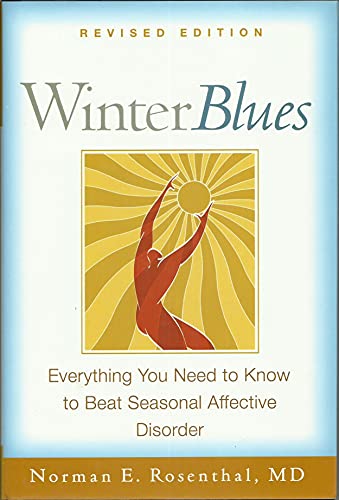
Winter Blues: Everything You Need to Know to Beat Seasonal Affective Disorder
Copyright © 2013 Norman E. Rosenthal All rights reserved. ISBN: 978-1-60918-185-7 · Cover, Praise for Winter Blues, Title Page, Copyright Page, Preface, Introduction, Part I Seasonal Syndromes, ONE Di

Verilux HappyLight Luxe - Light Therapy Lamp with 10,000 Lux, UV-Free, LED Bright White Light with Adjustable Brightness, Color, Countdown Timer, & Stand - Boost Mood, Sleep, Focus (White)
Verilux HappyLight Lumi Plus - Light Therapy Lamp with 10,000 Lux, <strong>UV-Free, LED Bright White Light with Adjustable Brightness, Countdown Timer, & Detachable Stand - Boost Mood, Sleep, and
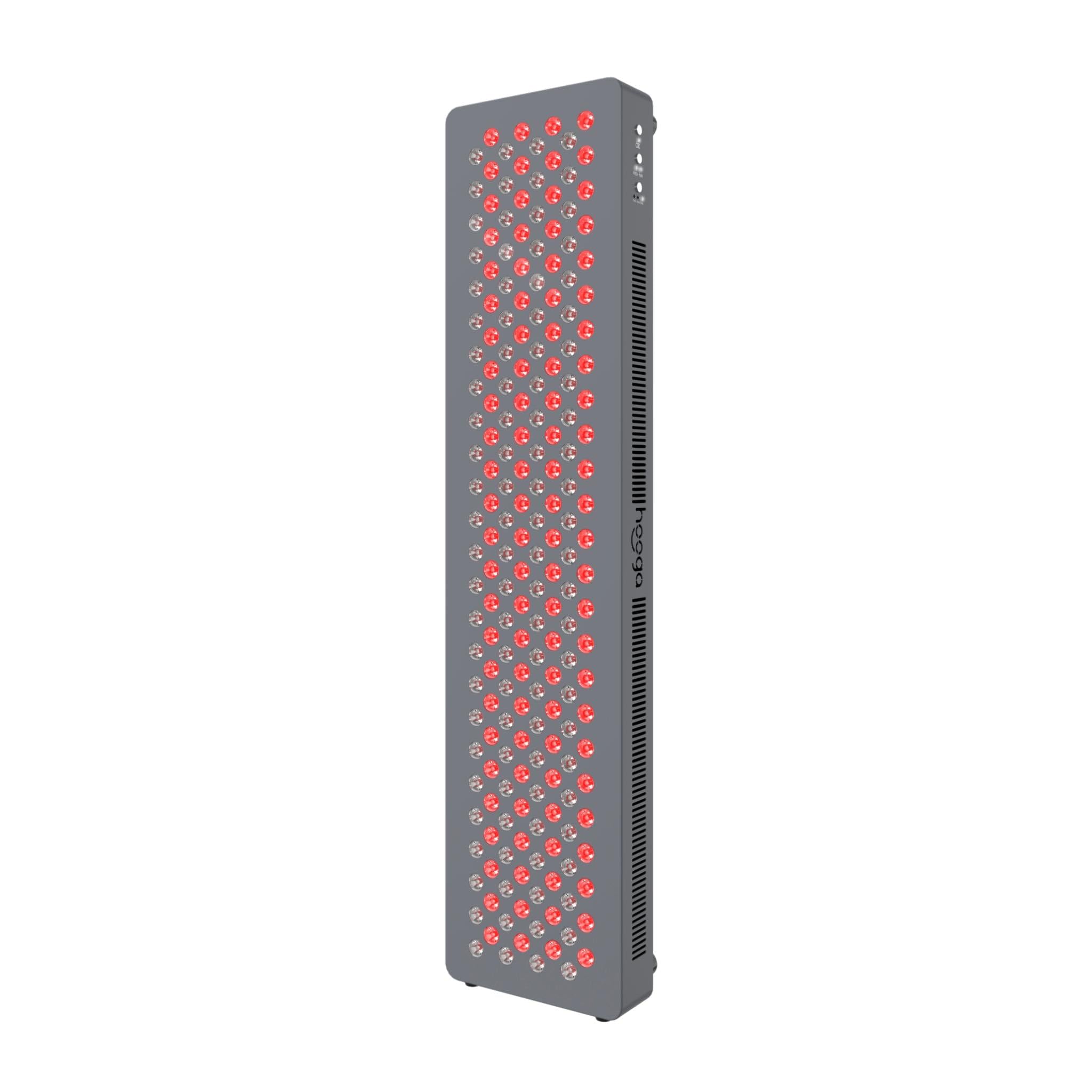
Hooga Red Light Therapy Panel – 660nm Red & 850nm Near Infrared Light Therapy Device, LED Light Therapy Lamp for Face & Body, 60 LEDs, Timer, Stand, Carrying Handle – HG300
hooga Red Light Therapy Bulb, 660nm & 850nm Red & Near Infrared Light, <strong>12 Dual-Chip LEDs, Targeted Light Bulb with Base & Braided Power Cord for Home Wellness Routine</strong>, HG2
Evidence & Sources
Promising research with growing clinical support from multiple studies
- National Center for Complementary and Integrative Health (NCCIH)
- American Psychiatric Association
- Journal of Affective Disorders
- Sleep Medicine Reviews
- Chronobiology International
- The Lancet Psychiatry
- Cochrane Reviews
- Harvard Medical School / Division of Sleep Medicine
- American Academy of Sleep Medicine
- Seminars in Cutaneous Medicine and Surgery
This content is for informational purposes only and does not constitute medical advice. Always consult a qualified healthcare provider before starting, stopping, or changing any supplement or medication regimen.