

Healing Touch
Also known as: Healing Touch Therapy, HT
Overview
Healing Touch is a complementary therapy commonly described as a biofield or energy-based modality that uses light touch, near-body hand movements, and focused intention to support relaxation, perceived balance, and overall well-being. It is often practiced in integrative health settings, private wellness clinics, and sometimes in hospitals alongside conventional care. People most often seek Healing Touch for stress reduction, emotional support, symptom relief, and comfort during medical treatment or recovery.
The underlying concept is that human health involves more than measurable physical processes alone. In Healing Touch theory, practitioners work with the body's subtle energy field with the aim of clearing congestion, promoting energetic flow, and supporting the body's natural capacity for healing. Sessions are typically noninvasive, quiet, and structured around assessment of the client's physical, emotional, and energetic state. While the language of "energy" is interpreted differently across medical and traditional frameworks, many people report the experience as calming and restorative.
From a public health perspective, Healing Touch fits within a broader category of mind-body and integrative therapies used to improve quality of life rather than replace medical diagnosis or treatment. Interest has grown particularly in areas such as oncology support, palliative care, chronic pain, anxiety, sleep difficulty, and perioperative stress. Research in these areas often focuses on patient-reported outcomes such as pain, distress, fatigue, mood, and satisfaction with care.
At the same time, Healing Touch remains a topic of active debate. Some studies suggest benefits for relaxation, anxiety reduction, and symptom burden, but the overall evidence base is limited by small study sizes, variable methodology, and the difficulty of measuring biofield-based mechanisms with conventional tools. As a result, Healing Touch is generally regarded as a complementary practice that may support comfort and coping for some individuals, while not being established as a standalone treatment for disease. Consultation with qualified healthcare professionals remains important, especially when Healing Touch is being considered during active medical care.
Medical Perspectives
Two Ways of Seeing Health

Western
scientific · clinical
Western medicine applies science, technology, and clinical experience to treat symptoms through testing, diagnosis, and targeted intervention.

Eastern
traditional · alternative
Eastern medicine focuses on treating the body naturally by applying traditional knowledge practiced for thousands of years, emphasizing balance and whole-person wellness.
Gold Bamboo presents both perspectives side-by-side so you can make informed decisions. We don't advocate for one over the other — your health choices are yours.
Western Medicine Perspective
Western Medicine Perspective
In conventional medicine, Healing Touch is generally classified under complementary and integrative health and more specifically as a form of biofield therapy. Western clinicians and researchers tend to evaluate it in terms of measurable outcomes rather than its traditional energetic explanations. Typical research questions include whether Healing Touch is associated with changes in anxiety, pain perception, stress response, sleep quality, fatigue, or patient well-being in settings such as cancer care, surgical recovery, hospice, and chronic illness management.
Some clinical studies and reviews report that Healing Touch or related biofield therapies may be associated with modest improvements in stress, mood, pain, or quality-of-life measures, particularly when used as supportive care. However, findings are mixed, and many studies are limited by small sample sizes, inconsistent control groups, placebo effects, expectation bias, and challenges with blinding. Because of these limitations, major medical organizations generally do not present Healing Touch as a primary medical intervention, but some integrative programs include it as an optional supportive modality for comfort and relaxation.
From a mechanistic standpoint, conventional science has not established a consensus explanation for the concept of a manipulable human energy field as described in Healing Touch. Researchers sometimes explore alternate hypotheses, such as the effects of therapeutic presence, focused attention, relaxation response, interpersonal connection, and reduction in sympathetic nervous system arousal. Within this framework, reported benefits may reflect psychophysiological processes that are meaningful to patients even if the proposed biofield mechanism remains unconfirmed.
In practice, the western medical view is typically cautious but open to further study. Healing Touch is most often discussed as a low-risk adjunctive therapy when provided by trained practitioners and used alongside standard care, with the understanding that it does not substitute for evidence-based evaluation or treatment of medical conditions.
Eastern & Traditional Perspective
Eastern and Traditional Medicine Perspective
From an eastern and traditional medicine standpoint, Healing Touch is often understood through broader concepts of vital life force, energetic balance, and the relationship between body, mind, and spirit. Although Healing Touch itself developed in a modern nursing and integrative care context rather than from one single ancient lineage, its principles resonate with long-standing systems such as Traditional Chinese Medicine (TCM), Ayurveda, and certain forms of spiritual healing. These systems commonly describe health as the result of harmonious flow within subtle networks of energy or vitality.
In TCM, illness may be interpreted as a disruption in the flow of qi, with imbalance affecting organ systems, emotions, and physical resilience. A hands-on or near-body modality like Healing Touch may be viewed as supportive of restoring energetic harmony, calming the shen (spirit), and easing stagnation associated with stress, pain, or emotional distress. In Ayurvedic interpretation, similar practices may be related to balancing prana and supporting the integration of the physical body with mental and emotional states.
Naturopathic and holistic traditions often emphasize that gentle touch, intentional presence, and relaxation can help create conditions favorable to healing. Within these frameworks, Healing Touch may be used to support self-regulation, emotional release, grounding, and resilience during illness or recovery. Its value is often described not only in symptom terms but also in terms of helping a person feel more centered, connected, and supported.
Traditional systems also generally place Healing Touch within a broader context that includes lifestyle, emotional balance, spirituality, and the therapeutic relationship. Even within these traditions, however, practitioners commonly acknowledge the importance of working collaboratively with conventional medical care when significant symptoms or diagnosed illnesses are present.
Supplements & Products
Recommended Products
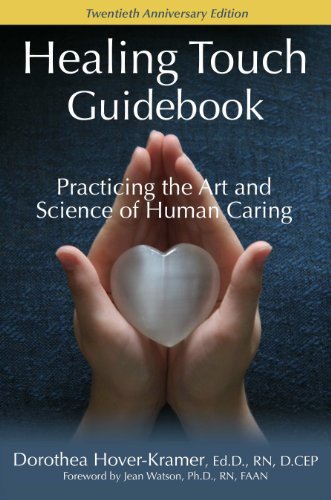
Healing Touch Guidebook, Practicing the Art and Science of Human Caring: Dorothea Hover-Kramer, Healing Touch Program, n/a
The Healing Touch Guidebook; Practicing ... from all walks of life. It is <strong>intended to help expand and deepen understanding of the healing process in both newcomers and seasoned practitioners</
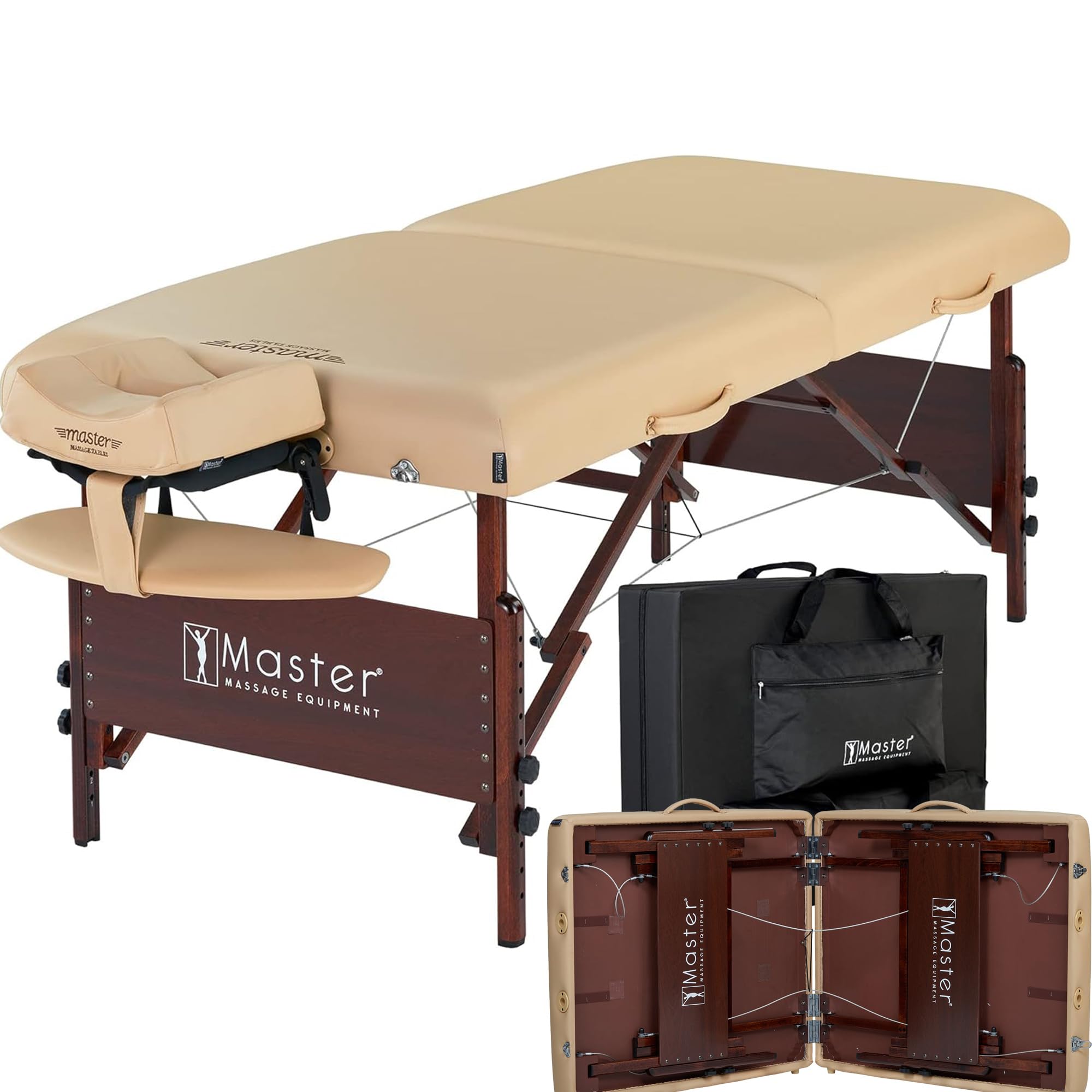
Master Massage 30" Del Ray Pro Portable Massage Table with Adjustable Table Height, (30" width x 84" length) 750lbs. Working Capacity- Massage Bed, Tattoo Table, Lash Table
Amazon.com: <strong>Master Massage 30" Del Ray Pro Portable Massage Table with Adjustable Table Height, (30" width x 84" length) 750lbs</strong>. Working Capacity- Massage Bed, Tattoo T
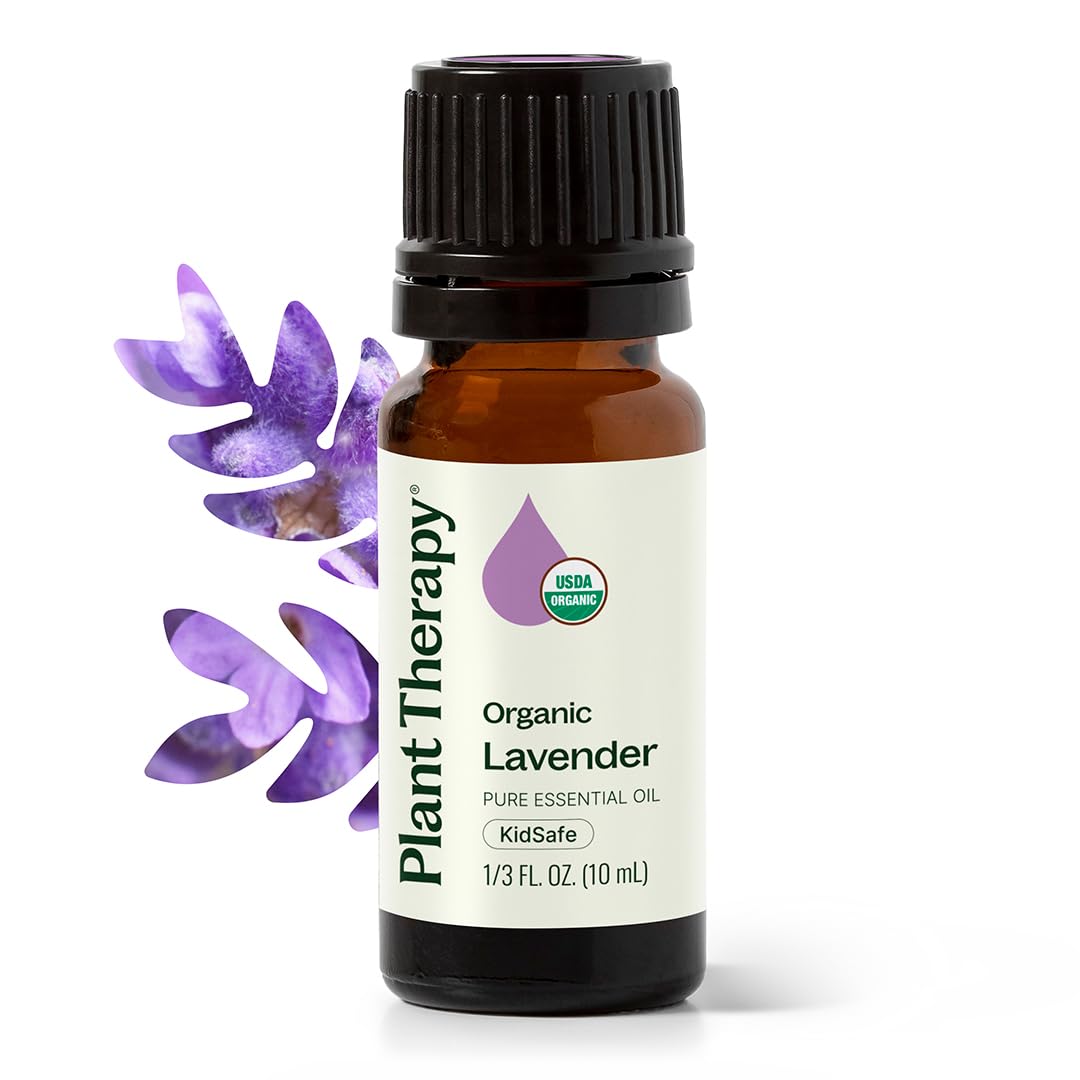
Plant Therapy Organic Lavender Essential Oil 100% Pure, USDA Certified Organic, Undiluted, Natural Aromatherapy, Therapeutic Grade 10 mL (1/3 oz)
Amazon.com: Plant Therapy Organic Lavender Essential Oil 100% Pure, <strong>USDA Certified Organic</strong>, Undiluted, Natural Aromatherapy, Therapeutic Grade 10 mL (1/3 oz) : Health & Household
Evidence & Sources
Early-stage research, mostly preclinical or preliminary human studies
- National Center for Complementary and Integrative Health (NCCIH)
- National Cancer Institute PDQ: Integrative, Alternative, and Complementary Therapies
- Journal of Alternative and Complementary Medicine
- Global Advances in Health and Medicine
- Pain Management Nursing
- Journal of Holistic Nursing
- Cochrane Library
- World Health Organization (WHO) Traditional, Complementary and Integrative Medicine resources
This content is for informational purposes only and does not constitute medical advice. Always consult a qualified healthcare provider before starting, stopping, or changing any supplement or medication regimen.