

Gua Sha
Also known as: Scraping Therapy, Gua Sha Massage, Coining
Overview
Gua Sha is a traditional manual therapy in which a smooth-edged tool is stroked across lubricated skin to create friction and intentional surface stimulation. It has roots in Traditional Chinese Medicine (TCM) and related East Asian healing practices, where it has long been used for patterns described as stagnation, musculoskeletal discomfort, and recovery from common tension-related complaints. In contemporary wellness settings, gua sha appears in two broad forms: body gua sha, often used for muscle tightness and pain, and facial gua sha, typically marketed for circulation, puffiness, and cosmetic wellness.
The technique can produce temporary skin reddening or small pinpoint spots, sometimes called petechiae or sha, which are traditionally interpreted as part of the therapeutic response. Modern users often seek gua sha for neck and shoulder tension, back pain, stiffness, exercise recovery, headaches related to muscle tension, and facial self-care. Interest has grown alongside broader public attention to nonpharmacologic approaches for pain, mobility, stress reduction, and integrative medicine.
From a health perspective, gua sha sits at the intersection of manual therapy, circulation-focused bodywork, and traditional medicine theory. Research suggests it may have short-term effects on pain perception, local microcirculation, range of motion, and subjective muscle relief, particularly in certain musculoskeletal conditions. At the same time, evidence quality varies depending on the condition being studied, the skill of the practitioner, and whether the focus is body treatment or cosmetic/facial use.
Although generally considered low risk when performed appropriately, gua sha is not universally suitable. Bruising-like marks, soreness, and temporary tenderness are common, and people with bleeding disorders, fragile skin, active skin disease, infection, or use of anticoagulant medication may require medical guidance before undergoing treatment. As with other hands-on therapies, conventional and traditional practitioners alike often emphasize the importance of proper technique, hygiene, and individualized assessment.
Medical Perspectives
Two Ways of Seeing Health

Western
scientific · clinical
Western medicine applies science, technology, and clinical experience to treat symptoms through testing, diagnosis, and targeted intervention.

Eastern
traditional · alternative
Eastern medicine focuses on treating the body naturally by applying traditional knowledge practiced for thousands of years, emphasizing balance and whole-person wellness.
Gold Bamboo presents both perspectives side-by-side so you can make informed decisions. We don't advocate for one over the other — your health choices are yours.
Western Medicine Perspective
Western Medicine Perspective
In conventional medicine, gua sha is usually understood as a form of instrument-assisted soft tissue mobilization or a manual therapy that creates controlled mechanical stimulation of the skin and superficial tissues. Proposed mechanisms include increased local blood flow, changes in microcirculation, modulation of pain signaling, temporary reduction in muscle guarding, and effects on connective tissue glide. Some studies indicate that gua sha may provide short-term symptom relief for chronic neck pain and certain musculoskeletal complaints, though the overall evidence base remains mixed and not fully standardized.
Western clinicians who study gua sha often focus less on traditional diagnostic language and more on measurable outcomes such as pain scores, pressure sensitivity, movement, inflammatory markers, and functional improvement. Small clinical trials and physiologic studies have reported increases in surface microperfusion and possible reductions in pain intensity after treatment. However, many studies are limited by small sample sizes, inconsistent protocols, lack of blinding, and variable comparison groups, which makes it difficult to draw broad conclusions across all uses.
From a safety standpoint, conventional medicine generally views gua sha as a complementary therapy rather than a replacement for diagnosis or treatment of underlying disease. Temporary redness, ecchymosis-like discoloration, soreness, and skin irritation are recognized effects. Greater caution is typically noted for people with coagulation disorders, anticoagulant use, neuropathy, open wounds, active dermatologic conditions, or infection risk. For persistent pain, unexplained swelling, neurologic symptoms, or systemic illness, standard medical evaluation remains important.
Eastern & Traditional Perspective
Eastern and Traditional Medicine Perspective
In Traditional Chinese Medicine, gua sha is traditionally used to move Qi and blood, disperse stagnation, and release external pathogenic influences such as wind-cold or wind-heat, depending on the clinical pattern. Pain, stiffness, and fixed tenderness are often interpreted as signs that circulation of Qi and blood is impaired. By scraping specific regions or meridian pathways, practitioners aim to restore freer flow and support the body's natural regulatory processes.
Within this framework, the appearance of sha on the skin is not necessarily viewed as tissue injury but as a sign that stagnation has been mobilized. Body gua sha is commonly associated with management of muscle tightness, shoulder and back discomfort, early-stage common cold patterns, fatigue, and tension-related symptoms in traditional practice. Facial gua sha, while often gentler and more modern in presentation, draws from related principles of improving local circulation, supporting fluid movement, and relaxing tension held in the face and jaw.
Other traditional and integrative systems may interpret gua sha through similar but distinct lenses. East Asian medicine broadly emphasizes circulation, tissue release, and rebalancing; naturopathic and integrative practitioners may describe effects in terms of stimulating local blood flow, lymphatic movement, and parasympathetic relaxation. While these traditions value long historical use and pattern-based application, they also generally hold that treatment is most meaningful when tailored to the individual constitution, symptom pattern, and overall health context.
Supplements & Products
Recommended Products

Gua sha: A Traditional Technique for Modern Practice
Research has demonstrated Gua sha radically increases surface microperfusion that stimulates immune and anti-inflammatory responses that persist for days after treatment. The second edition expands on
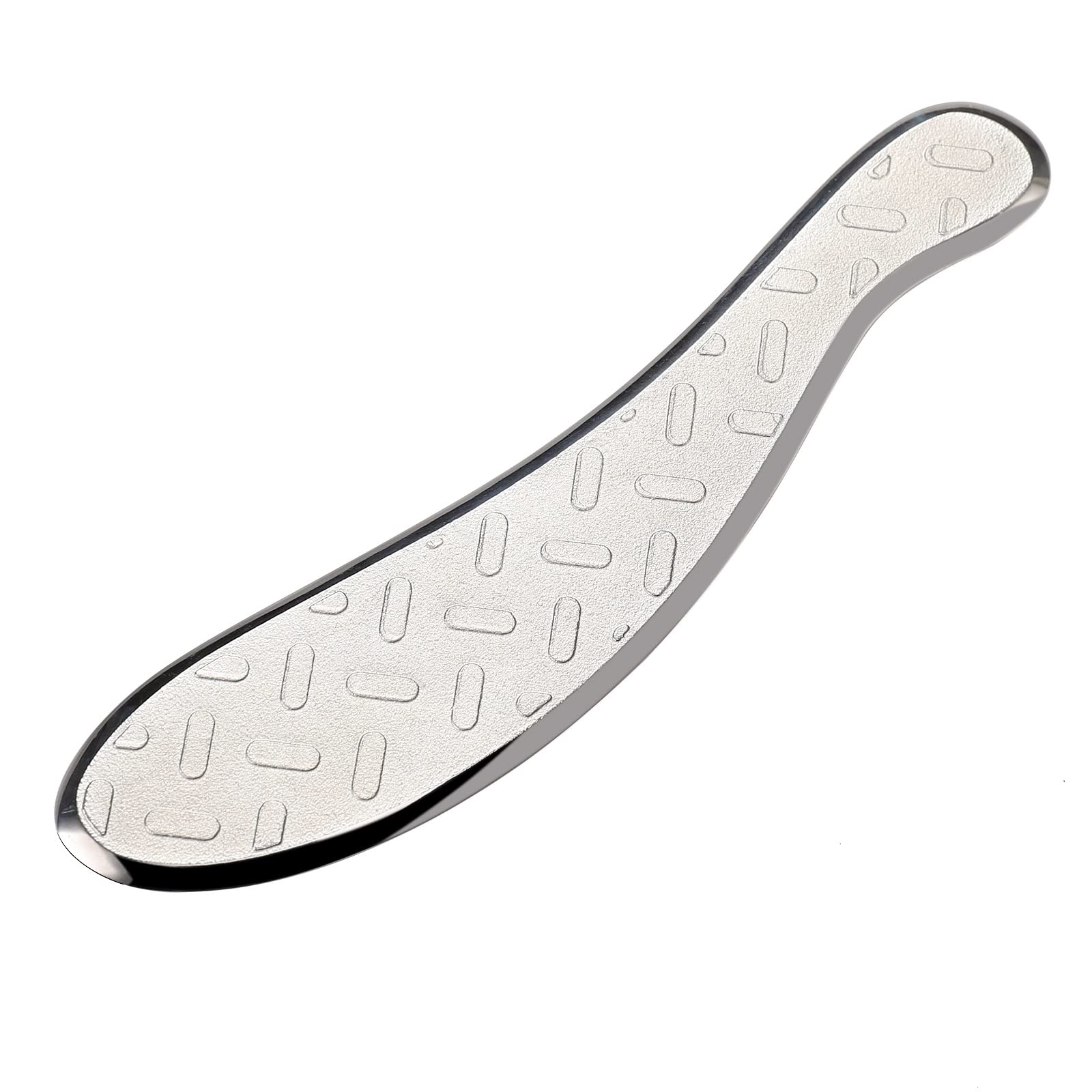
Allshow Stainless Steel Gua Sha Tool Set, IASTM Tools, Muscle Scraper Massage Tool for Physical Therapy
Stainless Steel Scraping Tools- gua sha muscle scrapers <strong>aid in healing scarred, soft tissue and enabling quicker recovery after physical workouts</strong>. Scraping massage also improves mi-cr
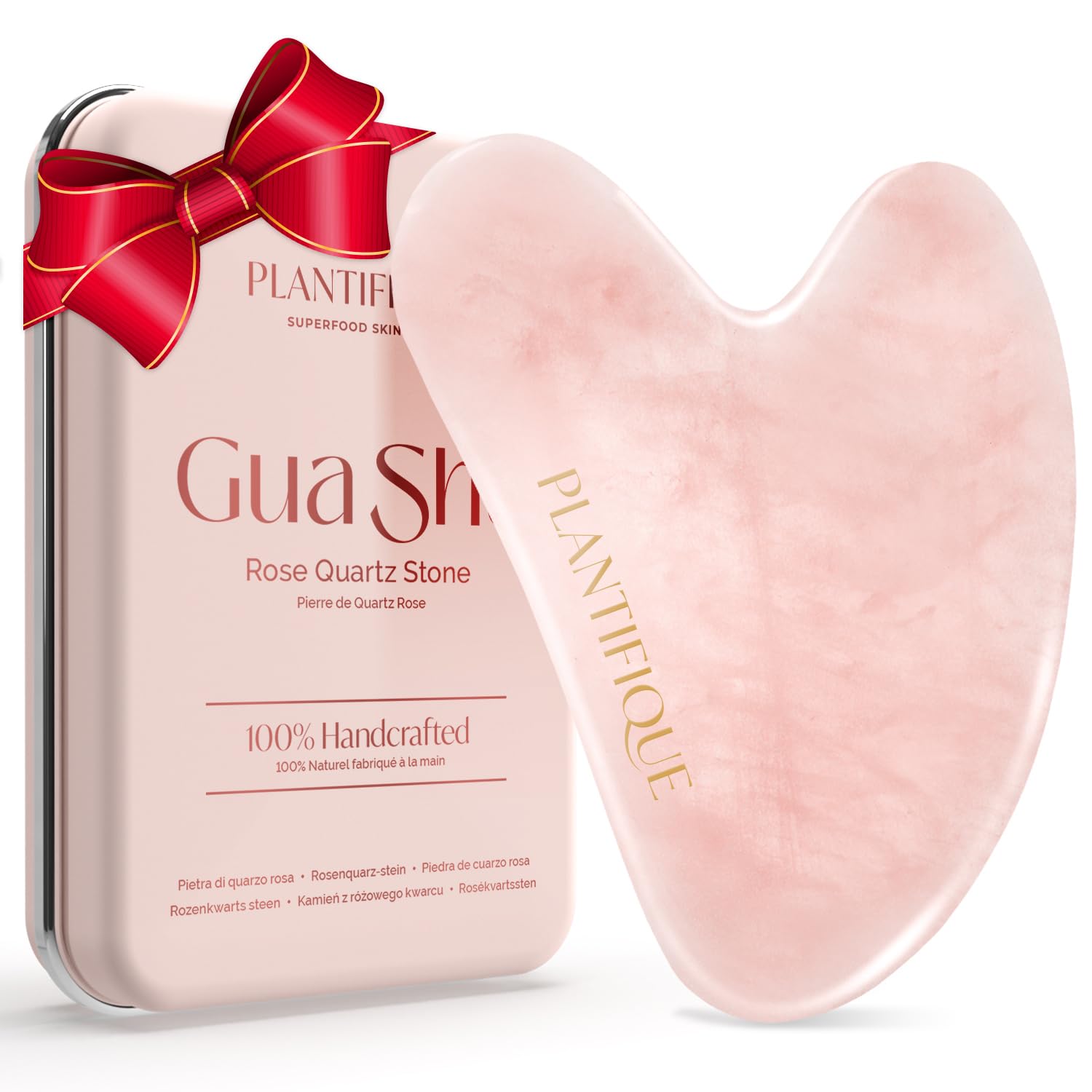
PLANTIFIQUE Rose Quartz Gua Sha Tool – Anti-Aging Face Massager & Jawline Shaper for Skincare Routine – Facial Massage & Skin Care Gift
HIGH QUALITY: The guasha crafted ... effects for mind and body. GUA SHA: the face massager <strong>helps you relieve tension, sculpt your face, and increase circulation</strong>....
Evidence & Sources
Promising research with growing clinical support from multiple studies
- National Center for Complementary and Integrative Health (NCCIH)
- Journal of Pain
- BMC Complementary Medicine and Therapies
- Explore: The Journal of Science and Healing
- Journal of Traditional Chinese Medical Sciences
- Cochrane Library
- World Health Organization (WHO) Traditional Medicine resources
This content is for informational purposes only and does not constitute medical advice. Always consult a qualified healthcare provider before starting, stopping, or changing any supplement or medication regimen.