

Forest Therapy
Also known as: Forest Bathing, Shinrin-Yoku, Nature Therapy
Forest Therapy
Forest therapy is a nature-based wellness modality centered on slow, mindful immersion in forests or other natural settings. Often associated with the Japanese practice of shinrin-yoku or “forest bathing,” it emphasizes sensory awareness, contemplative presence, and relational connection with the natural world rather than exercise, hiking performance, or outdoor sport. In contemporary wellness settings, forest therapy may be guided or self-directed and can include practices such as attentive walking, breath awareness, observation of sound and light, and periods of quiet rest in nature.
Interest in forest therapy has grown alongside rising concern about chronic stress, anxiety, burnout, sleep disruption, and nervous system dysregulation. Many people seek it as a gentle, non-pharmacologic approach to restoration, especially when they feel overstimulated by urban environments, screen exposure, and fast-paced routines. Public health researchers have also examined the broader health value of access to green space, noting associations between time in nature and improved mental well-being, lower perceived stress, and better quality of life.
Forest therapy sits at the intersection of mind-body medicine, environmental health, lifestyle medicine, and traditional nature-based healing. Its reported benefits may involve several overlapping mechanisms: reduced sensory overload, activation of the parasympathetic nervous system, attention restoration, enhanced mood, and the psychological effects of awe, meaning, and connection. Some studies also explore biological markers such as cortisol, blood pressure, heart rate variability, and immune parameters, though findings vary by study design and population.
As a modality, forest therapy is best understood as a supportive wellness practice rather than a standalone medical treatment. Research suggests it may help reduce stress and support emotional regulation in some individuals, but evidence quality is mixed, and outcomes can depend on frequency, environment, facilitation, and baseline health status. People with significant mental health or medical concerns often benefit from discussing nature-based practices with a qualified healthcare professional, particularly if symptoms are severe, persistent, or part of a broader treatment plan.
Medical Perspectives
Two Ways of Seeing Health

Western
scientific · clinical
Western medicine applies science, technology, and clinical experience to treat symptoms through testing, diagnosis, and targeted intervention.

Eastern
traditional · alternative
Eastern medicine focuses on treating the body naturally by applying traditional knowledge practiced for thousands of years, emphasizing balance and whole-person wellness.
Gold Bamboo presents both perspectives side-by-side so you can make informed decisions. We don't advocate for one over the other — your health choices are yours.
Western Medicine Perspective
Western Medicine Perspective
From a conventional perspective, forest therapy is generally viewed as a complementary, low-risk behavioral and environmental intervention. Researchers often study it within frameworks such as stress physiology, psychoneuroimmunology, public health, and preventive medicine. Clinical interest centers on whether time spent in natural environments can measurably influence stress-related outcomes, including perceived anxiety, mood disturbance, autonomic balance, sleep quality, blood pressure, and inflammatory or immune markers.
A substantial body of research on green space exposure suggests that contact with nature is associated with better mental health and lower stress burden. More specific studies on shinrin-yoku and guided forest therapy indicate short-term reductions in cortisol, pulse rate, blood pressure, and self-reported tension, anxiety, or fatigue in some populations. Reviews and meta-analyses have found promising trends, but they also note common limitations: small sample sizes, heterogeneous protocols, difficulty blinding participants, and variability in what counts as “forest therapy.” Because of these issues, conventional medicine typically regards the modality as supportive and potentially beneficial, but not uniformly standardized.
Western clinicians may also interpret benefits through the lens of attention restoration theory and stress reduction theory, which propose that natural settings can reduce cognitive fatigue and promote psychophysiological recovery. In integrative care settings, forest therapy may be discussed alongside mindfulness, gentle movement, breathwork, and other restorative practices. At the same time, conventional medicine maintains important caveats: forest therapy is not considered a replacement for established care for major depression, panic disorder, trauma-related conditions, cardiovascular disease, or other serious health concerns. Individual safety factors such as allergies, fall risk, heat exposure, and environmental access also matter.
Eastern & Traditional Perspective
Eastern and Traditional Medicine Perspective
In Eastern and traditional healing systems, forest therapy resonates with longstanding views that human health is inseparable from relationship with the natural world. In Japan, shinrin-yoku emerged as a formalized public wellness practice in the 1980s, but its underlying philosophy reflects older cultural understandings of seasonal awareness, reverence for landscape, and the restorative influence of natural environments. Rather than targeting symptoms alone, the practice is often framed as supporting balance, calm, groundedness, and reconnection.
Within Traditional Chinese Medicine (TCM), time in harmonious natural settings may be interpreted as helping regulate the flow of qi, settle the shen (spirit or mind), and reduce patterns associated with constraint, agitation, or depletion. Forest environments are sometimes symbolically linked with the Wood element, which in TCM corresponds to growth, flexibility, and emotional movement. While classical TCM texts do not describe “forest therapy” as a modern branded modality, the broader principle that climate, season, place, and sensory environment influence health is deeply consistent with traditional theory.
In Ayurveda, nature immersion may be understood as a way of restoring relationship with natural rhythms and reducing excess stimulation that can aggravate vata, particularly when stress presents as worry, restlessness, poor sleep, or nervous system overactivity. Quiet time in green, stable, sensory-rich environments may also be seen as nurturing ojas, the concept associated with vitality and resilience. Similarly, naturopathic and eco-spiritual traditions often describe forests as supportive for vis medicatrix naturae—the healing power of nature—and as spaces that foster reflection, belonging, and emotional renewal.
Across these traditions, forest therapy is commonly valued not only for measurable stress reduction but also for less easily quantified experiences such as awe, meaning, spiritual connection, and felt reciprocity with the living world. These perspectives can complement biomedical research while using a different language of explanation. As with any traditional or integrative practice, interpretation and use are often individualized and may be best considered in conversation with knowledgeable practitioners and healthcare professionals when health conditions are complex.
Supplements & Products
Recommended Products

Forest Bathing: How Trees Can Help You Find Health and Happiness: Li, Dr. Qing
Qing Li, the world's foremost expert ... can <strong>reduce your stress levels and blood pressure, strengthen your immune and cardiovascular systems, boost your energy, mood, creativity, and conc
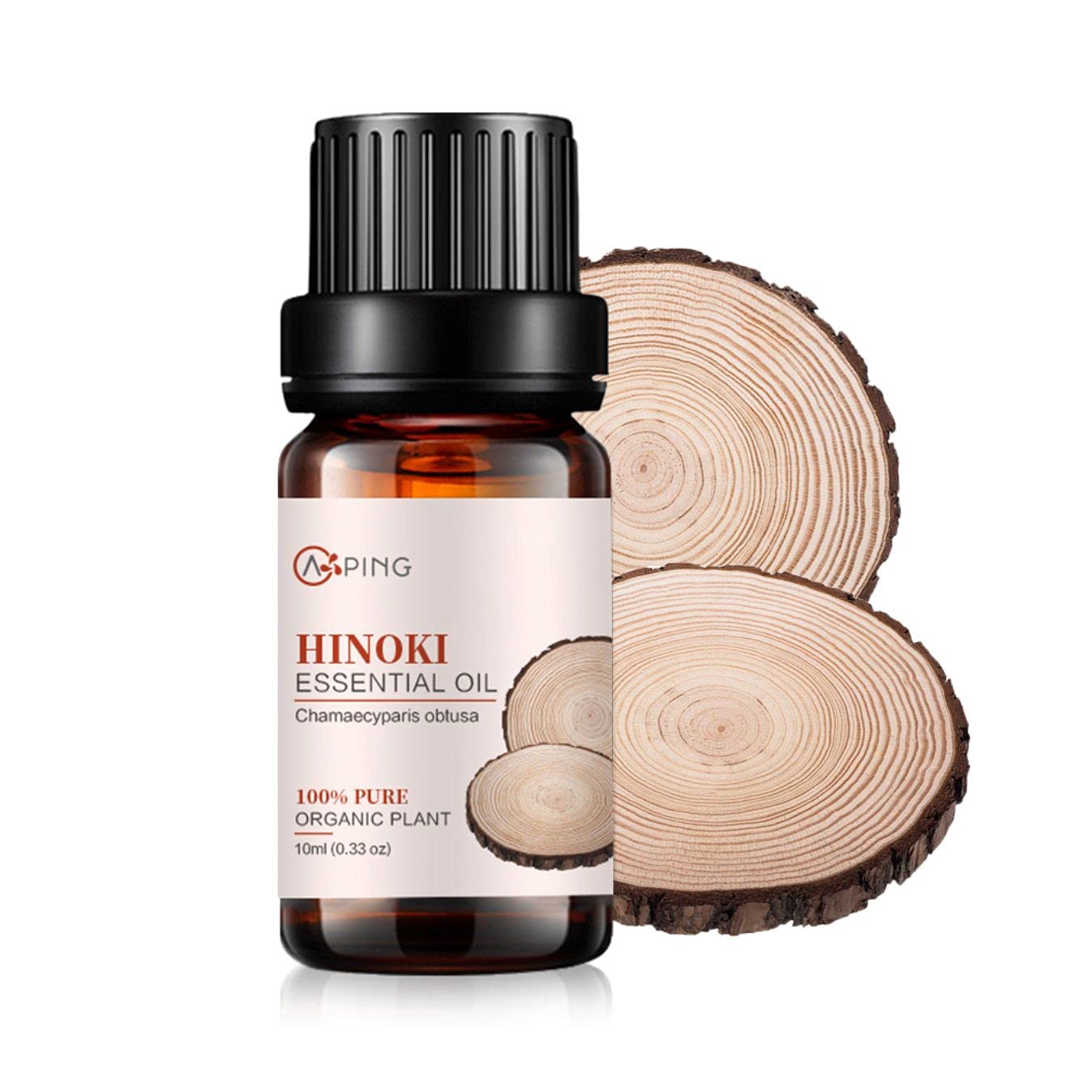
AOPING Hinoki Essential Oil - 100% Pure Organic Natural Plant (Chamaecyparis obtusa) Hinoki Oil for Diffuser, Aroma, Spa, Massage, Yoga, Perfume, 0.33oz
We use natural plants to extract ... Hinoki essential oil has <strong>low-key and deep wood fragrance, which is without spicy taste, just like from the deep forest, very primitive and strong woody sme

Therm-a-Rest Z Seat Cushion Insulated Sitting Pad, Limon/Silver
This portable camping seat, the Z Seat, <strong>offers unmatched on-the-go comfort</strong>. Its robust foam construction makes it perfect for backpacking, transforming rough terrain into a cozy seati
Evidence & Sources
Promising research with growing clinical support from multiple studies
- Environmental Health and Preventive Medicine
- International Journal of Environmental Research and Public Health
- NCCIH (National Center for Complementary and Integrative Health)
- World Health Organization (WHO)
- Frontiers in Psychology
- BMC Complementary Medicine and Therapies
- Scientific Reports
- Journal of Clinical Medicine
This content is for informational purposes only and does not constitute medical advice. Always consult a qualified healthcare provider before starting, stopping, or changing any supplement or medication regimen.