

Flower Essence Therapy
Also known as: Flower Remedies, Bach Flower Remedies, Essence Therapy
Overview
Flower Essence Therapy is a complementary healing modality that uses highly diluted liquid preparations made from the energetic imprint of flowers. Unlike herbal medicine, which relies on measurable biochemical constituents, flower essences are generally described by practitioners as vibrational or energetic remedies intended to support emotional, mental, and subtle aspects of well-being. The best-known system is the Bach Flower Remedies, developed in the 1930s by British physician Edward Bach, though many contemporary systems now include regional plants and broader energetic frameworks.
Flower essences are commonly sought for concerns such as stress, grief, fear, emotional overwhelm, transitions, and general emotional support. In practice, they are often used within holistic wellness settings, integrative counseling, energy medicine, naturopathy, and self-care traditions. Their appeal largely comes from their reputation as a gentle, non-pharmacologic approach that is meant to complement rather than replace other forms of care.
A central concept in flower essence work is that emotional states are viewed as meaningful contributors to overall health. Practitioners often match a specific essence to a person's current emotional pattern rather than to a physical diagnosis. This makes the modality distinct from conventional pharmacology and also from botanical medicine. Because the preparations are extremely dilute, they typically contain little to no pharmacologically active plant material, and proposed effects are generally framed in terms of subtle regulation, symbolic resonance, or energetic balance.
From a scientific standpoint, flower essence therapy remains controversial and difficult to evaluate. Interest persists because many people report subjective benefits, especially in areas related to stress and emotional resilience, but current research has not established a clear mechanism consistent with conventional biomedical models. As with many complementary modalities focused on emotional wellness, interpretations often differ depending on whether the framework is psychological, symbolic, spiritual, or energetic. People considering flower essence therapy are generally encouraged to discuss persistent emotional or mental health concerns with a qualified healthcare professional, particularly when symptoms are severe, prolonged, or affecting safety and functioning.
Medical Perspectives
Two Ways of Seeing Health

Western
scientific · clinical
Western medicine applies science, technology, and clinical experience to treat symptoms through testing, diagnosis, and targeted intervention.

Eastern
traditional · alternative
Eastern medicine focuses on treating the body naturally by applying traditional knowledge practiced for thousands of years, emphasizing balance and whole-person wellness.
Gold Bamboo presents both perspectives side-by-side so you can make informed decisions. We don't advocate for one over the other — your health choices are yours.
Western Medicine Perspective
Western Medicine Perspective
From the perspective of conventional medicine, flower essence therapy is not considered an established medical treatment for mental health or physical disease. Because flower essences are highly diluted and typically lack active chemical concentrations, there is no widely accepted biological mechanism by which they would be expected to produce specific therapeutic effects in the way pharmaceuticals or botanical extracts do. As a result, mainstream medicine generally classifies flower essence therapy as a complementary wellness practice rather than a validated clinical intervention.
Clinical research on flower essences has been limited, and published studies have generally been small, heterogeneous, or methodologically weak. Reviews of Bach flower remedies and related systems have typically found insufficient evidence for efficacy beyond placebo for anxiety, pain, attention-related concerns, or examination stress. At the same time, some researchers note that rituals of care, expectation, practitioner attention, and reflective emotional assessment can influence subjective well-being, which may partly explain why some individuals report benefit.
In western integrative settings, flower essence therapy may sometimes be discussed as a low-risk supportive practice for emotional self-reflection, provided it does not delay access to evidence-based care. Safety concerns are usually less about the essences themselves and more about substituting them for appropriate treatment in cases of major depression, trauma-related disorders, suicidality, psychosis, substance use disorder, or significant medical illness. Some liquid products also contain alcohol as a preservative, which may be relevant for children, pregnancy, medication interactions, liver disease, or those avoiding alcohol for personal or religious reasons.
Overall, the conventional view is that flower essence therapy may hold value for some people as a personal meaning-based or comfort-oriented practice, but current evidence does not support it as a proven treatment for diagnosed mental health conditions. Consultation with licensed medical or mental health professionals remains important when symptoms are serious or persistent.
Eastern & Traditional Perspective
Eastern/Traditional Medicine Perspective
Within traditional and holistic healing systems, flower essence therapy is often understood less through chemistry and more through the language of energy, consciousness, emotional patterning, and mind-body balance. Although classic Traditional Chinese Medicine (TCM) and Ayurveda did not historically develop flower essence therapy in the same form as Bach remedies, many contemporary practitioners integrate flower essences into these frameworks as tools that may support the emotional dimensions of imbalance.
From a TCM-informed perspective, emotional states are often seen as interconnected with the movement of qi, the function of the organ systems, and the harmony of Shen (spirit/mind). Fear, grief, irritability, sadness, and worry are not viewed as isolated symptoms but as patterns reflecting broader imbalance. In modern integrative practice, flower essences may be used symbolically or energetically alongside acupuncture, dietary therapy, breathwork, or meditative practices to support emotional regulation and inner equilibrium.
From an Ayurvedic or naturopathic perspective, flower essences may be interpreted as subtle remedies that address disturbances in the mental-emotional field, helping restore harmony among body, mind, and spirit. Practitioners may associate them with balancing tendencies such as agitation, depletion, emotional stagnation, or heightened sensitivity. In naturopathic philosophy, they are sometimes categorized among low-force interventions intended to support the body's inherent self-regulating capacity and the individual's emotional healing process.
Traditional and energetic systems generally place strong emphasis on individualization. Rather than matching a remedy to a disease label, flower essence practitioners often select essences according to a person's emotional landscape, life transition, or perceived energetic state. This perspective values observation, symbolism, intention, and self-awareness, though these concepts are not easily measured in biomedical research. As with other traditional modalities, many practitioners view flower essences as complementary and believe deeper or urgent psychological distress warrants evaluation by appropriately trained healthcare professionals.
Supplements & Products
Recommended Products
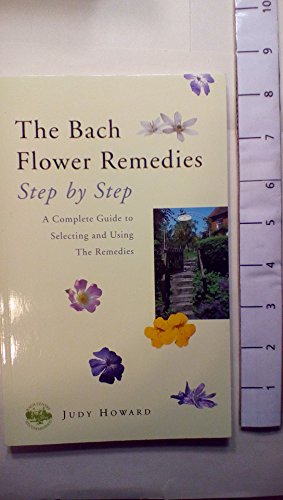
The Bach Flower Remedies Step by Step: A Complete Guide to Selecting and Using the Remedies: Howard, Judy Ramsell
Many of these titles, notably those on Aromatherapy and Bach Flower remedies, have become standard works on the subject. When the C.W. Daniel list went looking for a new home, the Vermilion and Rider
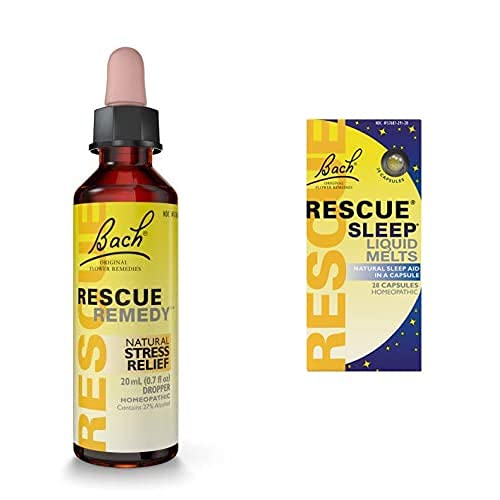
RESCUE Bach Remedy Dropper 20mL, Natural Stress Relief, Homeopathic Flower Essence, Vegan, Gluten & Sugar-Free, Non-Habit Forming (Non-Alcohol Formula)
Bach Original Flower Remedies, Clarity Of Mind Trio Kit, For Focus & Mindfulness (Non-Alcohol Formula), Natural Homeopathic Flower Essence, Vegan, 3 x 10mL Droppers ... Brief content visible, doub

Bach Original Flower Remedies, Full Set (Non-Alcohol Formula) - 38 Bach + 2 Rescue Remedy, Natural Homeopathic Flower Essences, Holistic Wellness & Stress Relief, Vegan, 40 Droppers - 10mL Each
<strong>Includes a full boxed set of 38 Bach Original Flower Remedies</strong>: each non-alcohol remedy corresponds to a different mood state & together forms the complete Bach system to support e
Evidence & Sources
Early-stage research, mostly preclinical or preliminary human studies
- National Center for Complementary and Integrative Health (NCCIH)
- Ernst E. systematic reviews on Bach flower remedies, Swiss Medical Weekly
- Thaler K, et al. Bach Flower Remedies for psychological problems and pain: systematic review, BMC Complementary and Alternative Medicine
- Cancer Research UK, Bach flower remedies overview
- British Homeopathic Journal / complementary medicine literature on Bach remedies
- World Health Organization (WHO) discussions on traditional and complementary medicine
This content is for informational purposes only and does not constitute medical advice. Always consult a qualified healthcare provider before starting, stopping, or changing any supplement or medication regimen.