

Fasting Therapy
Also known as: Therapeutic Fasting, Fasting Cure, Intermittent Fasting Therapy
Overview
Fasting therapy refers to structured periods of reduced caloric intake or complete abstinence from food, sometimes with continued water intake and sometimes using modified approaches such as time-restricted eating, intermittent fasting, periodic fasting, or medically supervised fasting programs. Across cultures, fasting has long been used in religious, spiritual, and traditional healing systems, while in modern wellness and clinical research it is increasingly discussed for its potential effects on metabolic health, body weight, insulin regulation, inflammation, and cellular stress responses.
From a biological perspective, fasting shifts the body away from continuous fed-state metabolism. As glycogen stores decline, the body increasingly relies on fat oxidation, ketone production, hormonal adaptation, and cellular maintenance pathways. Research has explored mechanisms including improved insulin sensitivity, changes in circadian biology, modulation of inflammatory signaling, and activation of processes associated with cellular repair, such as autophagy under certain conditions. These mechanisms have made fasting therapy a topic of interest in obesity medicine, endocrinology, longevity research, and integrative medicine.
Fasting therapy is not a single method. Common forms include intermittent fasting (such as alternate-day fasting or the 5:2 pattern), time-restricted eating (eating within a set daily window), and prolonged or multi-day fasting, which typically requires closer supervision. Interest in fasting often centers on weight management, metabolic syndrome, type 2 diabetes risk reduction, digestive rest, mental clarity, and healthy aging, though the strength of evidence varies depending on the outcome studied and the fasting method used.
At the same time, fasting is not universally appropriate. Conventional and integrative sources alike note that fasting may carry risks for certain groups, including people with diabetes using glucose-lowering medications, eating disorders, frailty, pregnancy, certain chronic illnesses, or those taking medications that require food intake. For this reason, fasting therapy is best understood as a broad therapeutic concept with potential benefits, meaningful limitations, and a strong need for individualized clinical context.
Medical Perspectives
Two Ways of Seeing Health

Western
scientific · clinical
Western medicine applies science, technology, and clinical experience to treat symptoms through testing, diagnosis, and targeted intervention.

Eastern
traditional · alternative
Eastern medicine focuses on treating the body naturally by applying traditional knowledge practiced for thousands of years, emphasizing balance and whole-person wellness.
Gold Bamboo presents both perspectives side-by-side so you can make informed decisions. We don't advocate for one over the other — your health choices are yours.
Western Medicine Perspective
Western / Conventional Medicine Perspective
In conventional medicine, fasting therapy is generally studied through the lenses of metabolism, endocrinology, cardiovascular risk, obesity management, and preventive health. Clinical research suggests that some fasting patterns may support modest weight loss, improved insulin sensitivity, reductions in fasting insulin, and improvements in certain cardiometabolic markers, particularly in people with overweight, obesity, or metabolic syndrome. Time-restricted eating has also been investigated for its relationship to circadian rhythm alignment, with some studies indicating that meal timing may influence glucose control and energy metabolism independently of calorie reduction.
However, mainstream medicine does not regard fasting as a universal or stand-alone therapy. Much of the observed benefit in trials may be related to overall calorie reduction, improved diet quality, weight loss, or better eating regularity, rather than fasting alone. Evidence is also mixed across populations and protocols, and long-term adherence remains a major practical concern. For longevity, cancer prevention, neuroprotection, and deep cellular renewal claims, the human evidence remains promising but incomplete, with many mechanistic findings coming from animal models or short-term studies.
Safety is a central concern in the medical view. Potential adverse effects can include hypoglycemia, dizziness, dehydration, electrolyte imbalance, headaches, irritability, sleep disturbance, nutrient inadequacy, and loss of lean mass, particularly with prolonged fasts or unsupervised restrictive regimens. Medical literature also highlights concern for those with type 1 diabetes, insulin- or sulfonylurea-treated diabetes, kidney disease, advanced liver disease, low body weight, older age with frailty, pregnancy, breastfeeding, or a history of disordered eating. Accordingly, conventional medicine tends to view fasting therapy as an area of selective clinical use and active research, rather than a one-size-fits-all intervention.
Professional organizations increasingly acknowledge that fasting-related approaches may have a place within lifestyle medicine, but emphasize that they must be evaluated in the context of medical history, medication use, nutritional adequacy, and monitoring needs. In clinical settings, the strongest support is generally for structured, medically appropriate fasting patterns as part of broader lifestyle care, rather than extreme or prolonged fasting pursued without oversight.
Eastern & Traditional Perspective
Eastern / Traditional Medicine Perspective
In Traditional Chinese Medicine (TCM) and related East Asian traditions, fasting has historically appeared in forms of dietary restraint, purification, seasonal adjustment, and spiritual discipline rather than as a single standardized therapy. Traditional frameworks often place more emphasis on the quality, timing, and digestibility of food than on prolonged abstinence itself. In TCM, the Spleen and Stomach systems are viewed as central to transformation and transportation of nourishment, so excessive fasting may be seen as potentially weakening Qi and Blood in susceptible individuals. At the same time, temporary lightening of food intake has traditionally been used in some contexts to reduce dampness, phlegm, food stagnation, or internal heat, especially when digestive overload is thought to be present.
In Ayurveda, fasting is commonly discussed through the concepts of agni (digestive fire), ama (metabolic waste or toxic residue), and constitutional individuality. Short, appropriate fasting or simplified diets have traditionally been used to help reset digestion, support clarity, and reduce heaviness when agni is considered impaired. Yet Ayurveda generally does not treat fasting as universally beneficial; it is often described as needing to match a person’s prakriti, current imbalance, strength, season, and life stage. Excessive fasting may be understood as aggravating Vata, depleting vitality, or impairing resilience.
In naturopathic and traditional healing contexts more broadly, fasting has often been framed as a method of rest, elimination, purification, and self-regulation, with attention to the body’s innate healing capacity. Spiritual traditions including Buddhism, Hinduism, Christianity, Islam, and other lineages have also long used fasting as a means of discipline, reflection, ritual cleansing, and altered awareness, which can overlap with health motivations but are not identical to them.
Overall, Eastern and traditional systems tend to interpret fasting less as a single biochemical intervention and more as a context-dependent practice affecting digestion, vitality, balance, and mind-body regulation. These systems typically emphasize individual constitution, moderation, seasonal timing, and supervision by an experienced practitioner, especially when fasting is prolonged or combined with other cleansing methods.
Supplements & Products
Recommended Products
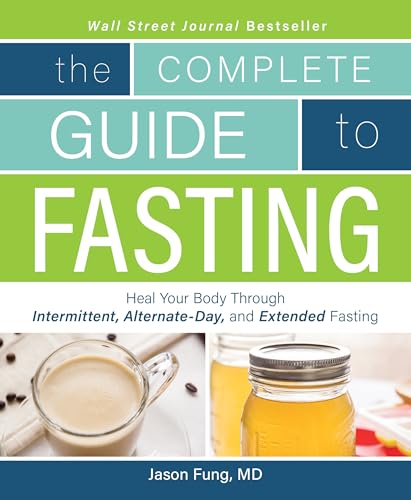
The Complete Guide to Fasting: Heal Your Body Through Intermittent, Alternate-Day, and Extended Fasting: Fung, Dr. Jason, Moore, Jimmy
Dr. Jason Fung ... The ultimate resource on intermittent fasting, the incredibly effective therapeutic approach to feeling better and losing weight that produces life-changing results.
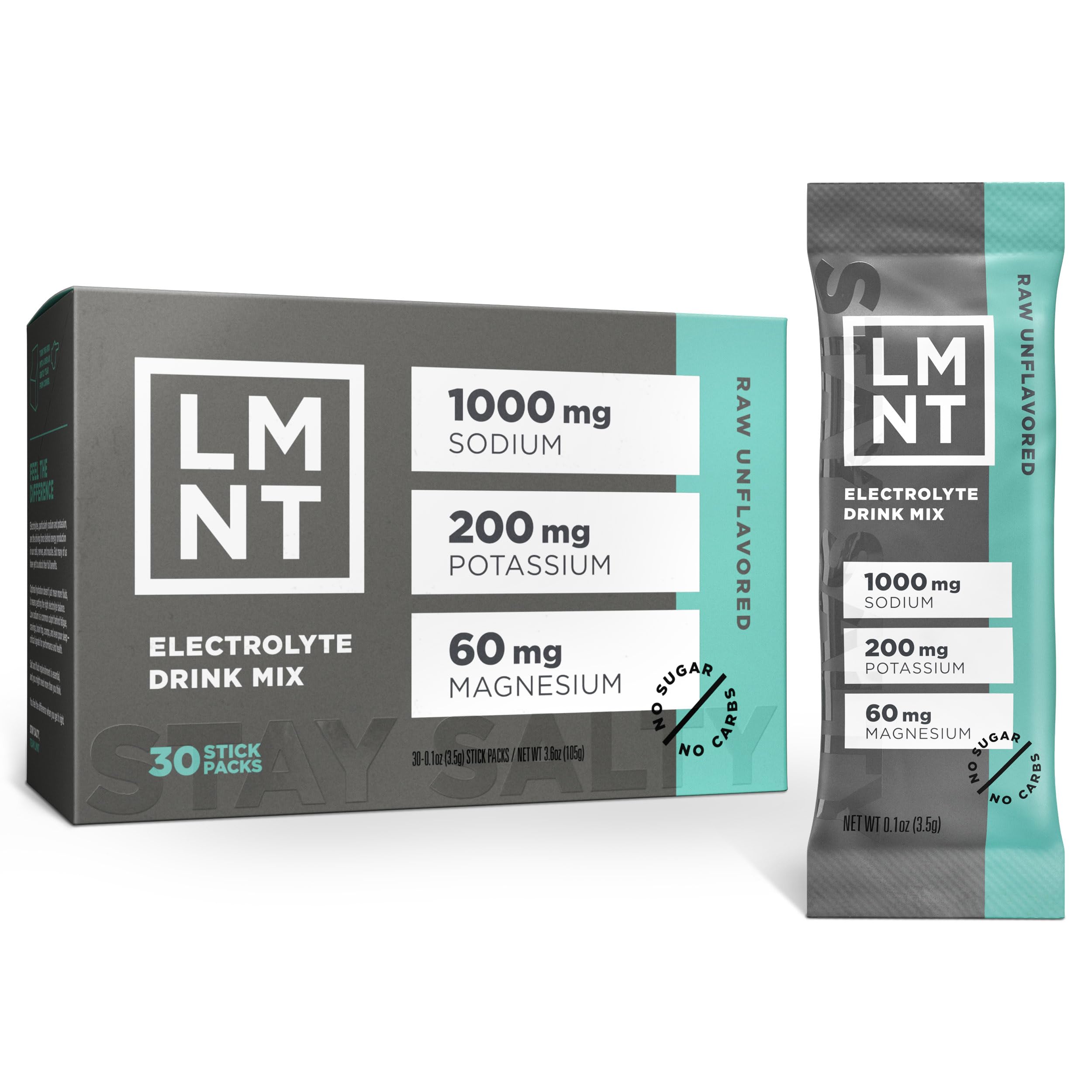
LMNT Zero Sugar Electrolytes - Raw Unflavored Salt | Drink Mix | 30-Count
Amazon.com: LMNT Zero Sugar Electrolytes - Raw Unflavored Salt | Drink Mix | 30-Count : Health & Household

KETO-MOJO GK+ Bluetooth Glucose & Ketone Testing Kit + Free APP for Ketosis & Diabetes Support. 20 Blood Test Strips (10 Each), Meter, 20 Lancets, Lancing Device, and Control Solutions
CLINICAL-GRADE KETONE & GLUCOSE TESTING The GK+ Meter <strong>delivers fast, accurate readings for both ketones and glucose</strong>. Trusted by healthcare professionals and used in over 100 clini
Evidence & Sources
Promising research with growing clinical support from multiple studies
- New England Journal of Medicine
- JAMA Network Open
- Cell Metabolism
- The BMJ
- National Center for Complementary and Integrative Health (NCCIH)
- National Institute on Aging (NIH)
- American Heart Association
- Annual Review of Nutrition
This content is for informational purposes only and does not constitute medical advice. Always consult a qualified healthcare provider before starting, stopping, or changing any supplement or medication regimen.