

Energy Psychology
Also known as: Meridian Psychology, Energy Psychotherapy
Overview
Energy Psychology is an umbrella term for a group of mind-body approaches that combine elements of conventional psychotherapy with techniques derived from acupressure, somatic self-regulation, focused attention, and other energy-based concepts. Common methods include Emotional Freedom Techniques (EFT or “tapping”), Thought Field Therapy (TFT), Tapas Acupressure Technique, and related practices that involve lightly tapping or holding specific points on the body while bringing distressing thoughts, memories, or sensations into awareness. People often explore these methods in the context of anxiety, trauma-related symptoms, phobias, stress, cravings, and emotional self-regulation.
The defining feature of energy psychology is the idea that emotional distress can be influenced not only through cognition and behavior, but also through direct engagement with the body’s regulatory systems. In practice, sessions may include identifying a distressing issue, rating its emotional intensity, using a structured phrase or mental focus, and stimulating specific acupoints. Supporters describe this as a way to help reduce physiological arousal while processing difficult emotions. In contemporary integrative health settings, energy psychology is often framed less as a literal manipulation of measurable “energy” and more as a mind-body regulation strategy that may involve attention, exposure, rhythmic sensory input, and calming touch.
Interest in energy psychology has grown alongside broader public demand for non-pharmacologic, self-applied, and trauma-informed wellness tools. Research has examined these methods for symptoms related to stress, anxiety, depression, post-traumatic stress, and specific fears, although study quality varies considerably across modalities. Some findings suggest meaningful reductions in distress for certain individuals, particularly in tapping-based approaches, but the field remains heterogeneous and debate continues about which components are active: acupoint stimulation itself, exposure-like mechanisms, expectancy, therapist rapport, or general relaxation effects.
From a health education perspective, energy psychology occupies a space between psychotherapy, somatic practice, and traditional acupoint-based theory. It is best understood as a developing integrative modality rather than a single standardized treatment. For people considering it, the broader context matters: the practitioner’s training, whether the approach is used as a complementary support or as part of structured mental health care, and whether symptoms involve significant trauma, suicidality, psychosis, or other conditions that warrant evaluation by a licensed healthcare professional.
Medical Perspectives
Two Ways of Seeing Health

Western
scientific · clinical
Western medicine applies science, technology, and clinical experience to treat symptoms through testing, diagnosis, and targeted intervention.

Eastern
traditional · alternative
Eastern medicine focuses on treating the body naturally by applying traditional knowledge practiced for thousands of years, emphasizing balance and whole-person wellness.
Gold Bamboo presents both perspectives side-by-side so you can make informed decisions. We don't advocate for one over the other — your health choices are yours.
Western Medicine Perspective
Western / Conventional Medicine Perspective
From a conventional medicine standpoint, energy psychology is usually evaluated through the lenses of clinical psychology, psychiatry, behavioral medicine, and neuroscience, rather than through traditional energy concepts. Researchers have proposed several possible mechanisms for tapping-based interventions: exposure to distressing memories or triggers, cognitive reframing, attentional redirection, paced breathing or relaxation, and somatic downregulation of stress responses. In this view, the acupoint stimulation may function as one component within a broader psychological process, though whether it contributes uniquely beyond established therapeutic elements remains an active research question.
Among the different energy psychology approaches, EFT has received the greatest research attention. Systematic reviews and meta-analyses have reported potential benefits for anxiety, depression, and trauma-related symptoms, but interpretation is cautious because studies differ in methodology, sample size, control conditions, practitioner skill, and follow-up duration. Some trials suggest tapping interventions may reduce subjective distress and improve symptom scores in the short term. At the same time, skeptics note that many effects might overlap with known mechanisms from exposure therapy, cognitive-behavioral techniques, and nonspecific therapeutic factors. As a result, energy psychology is not uniformly incorporated into mainstream clinical guidelines, although some clinicians in integrative and trauma-focused settings use tapping-informed methods as adjunctive tools.
Safety discussions in conventional care generally focus less on the tapping itself and more on the clinical context. Bringing up traumatic memories or intense fears can temporarily increase emotional activation, and self-help use may be insufficient for people with severe PTSD, complex trauma, dissociation, major depression, panic disorder, or other serious psychiatric concerns. For that reason, conventional medicine generally views energy psychology as a complementary modality that may be worth discussing with qualified mental health or medical professionals, especially when symptoms are persistent, disabling, or associated with safety concerns.
Eastern & Traditional Perspective
Eastern / Traditional Medicine Perspective
From an Eastern and traditional medicine perspective, energy psychology is often interpreted through frameworks involving the body’s vital energy systems, especially the meridian model associated with Traditional Chinese Medicine (TCM). In this understanding, emotional distress may be linked to disruptions or imbalances in the flow of qi, and stimulating specific acupoints while holding an emotional issue in awareness is thought to help restore smoother energetic movement. This perspective aligns conceptually with the long-standing TCM view that emotional and physical states are deeply interconnected, and that the body can be influenced through point-based stimulation.
Although modern tapping protocols are not classical TCM treatments in the traditional sense, they borrow heavily from acupoint theory and the broader East Asian idea that touch, pressure, and intentional regulation can affect both mind and body. Related ideas also resonate with Ayurvedic and other traditional systems that emphasize the interaction between mental states, breath, the nervous system, and subtle energetic balance. In these frameworks, emotional symptoms are not always separated sharply from physical symptoms; instead, distress may be seen as part of a whole-person pattern involving sleep, digestion, tension, vitality, and resilience.
In naturopathic and integrative medicine settings, energy psychology is sometimes viewed as a bridge modality: it combines traditional point stimulation, mindfulness-like attention, and self-regulation practices in a format that many people find accessible. Traditional systems generally place strong value on individualized assessment, context, constitution, and the relationship between emotions and bodily patterns. At the same time, responsible integrative practitioners commonly recognize that traditional frameworks and modern psychiatric assessment serve different purposes, and that people with severe or complex symptoms may benefit from coordinated care that includes licensed mental health professionals.
Supplements & Products
Recommended Products

The EFT Manual: Church, Dawson
"The research that's been conducted the past few years by Dawson Church has had enormous impact in terms of moving the needle on widespread acceptance of EFT. Now, with his updated EFT Manua
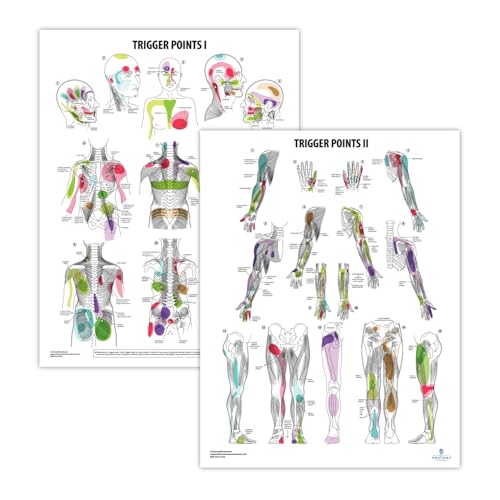
Trigger Points I and II Laminated Chart/Posters : Industrial & Scientific
Had lots of good information and very colorful; the poster was laminated and information is labeled. Too bad there wasn't room to add the foot, but overall, I love it! ... We are in the process o
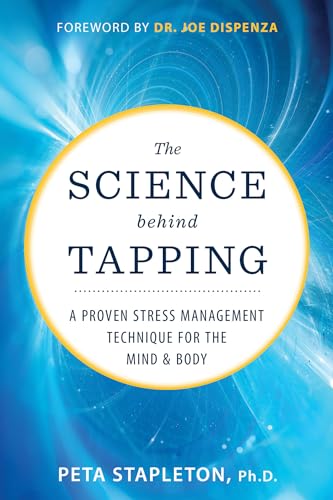
The Science Behind Tapping: A Proven Stress Management Technique for the Mind and Body: Stapleton Ph.D., Peta, Dispenza, Dr. Joe
EFT researcher and author Peta Stapleton, Ph.D., <strong>brings together the history and cutting-edge research of tapping</strong>. She also shows how tapping can be used for a whole host of ailments,
Evidence & Sources
Promising research with growing clinical support from multiple studies
- National Center for Complementary and Integrative Health (NCCIH)
- American Psychological Association
- Journal of Nervous and Mental Disease
- Explore: The Journal of Science and Healing
- Frontiers in Psychology
- Journal of Clinical Psychology
- BMC Psychiatry
- World Health Organization (WHO)
This content is for informational purposes only and does not constitute medical advice. Always consult a qualified healthcare provider before starting, stopping, or changing any supplement or medication regimen.