

EMDR Therapy
Also known as: Eye Movement Desensitization and Reprocessing, EMDR Treatment, EMDR Threapy
Overview
Eye Movement Desensitization and Reprocessing (EMDR) therapy is a structured psychotherapy approach developed to reduce distress linked to traumatic memories and other emotionally charged experiences. It is best known as a treatment for post-traumatic stress disorder (PTSD), but it has also been studied in relation to anxiety, complicated grief, phobias, pain, and other conditions in which distressing memories or maladaptive emotional learning may play a role. EMDR typically involves recalling a disturbing memory while engaging in bilateral stimulation—most commonly guided eye movements, though tapping or alternating sounds may also be used.
The therapy is based on the idea that some experiences may become insufficiently processed, leaving memories stored in a way that continues to trigger intense emotional, cognitive, and physical reactions. EMDR aims to help the brain reprocess these memories so they become less distressing and more integrated into a person’s broader life narrative. Standard EMDR is commonly delivered in an eight-phase protocol, which includes history-taking, preparation, target identification, desensitization, installation of adaptive beliefs, body scan, closure, and reevaluation.
EMDR has gained broad international attention because it is relatively distinct from traditional talk therapy: sessions may involve less detailed verbal description of the trauma than some other approaches, while still directly engaging traumatic memory networks. Research suggests that, for trauma-related conditions, EMDR can reduce symptoms such as intrusive memories, hyperarousal, negative self-beliefs, and avoidance. Major clinical organizations, including the World Health Organization and several professional psychiatric and trauma bodies, have recognized EMDR as a treatment with meaningful evidence behind it for trauma-related distress.
At the same time, important questions remain about how EMDR works and which components are most essential. Some researchers view the bilateral stimulation as a unique active ingredient; others argue that exposure, memory reconsolidation, attention taxation, therapeutic alliance, and cognitive restructuring-like processes may explain much of the benefit. As with many psychotherapies, outcomes may depend on factors such as therapist training, treatment fidelity, the nature of the trauma, and whether a person has co-occurring conditions such as dissociation, substance use, or severe depression. Consultation with a qualified mental health professional is important when evaluating whether this modality is appropriate in a given clinical context.
Medical Perspectives
Two Ways of Seeing Health

Western
scientific · clinical
Western medicine applies science, technology, and clinical experience to treat symptoms through testing, diagnosis, and targeted intervention.

Eastern
traditional · alternative
Eastern medicine focuses on treating the body naturally by applying traditional knowledge practiced for thousands of years, emphasizing balance and whole-person wellness.
Gold Bamboo presents both perspectives side-by-side so you can make informed decisions. We don't advocate for one over the other — your health choices are yours.
Western Medicine Perspective
Western Medicine Perspective
From a conventional mental health perspective, EMDR is understood primarily as a trauma-focused psychotherapy. It is most strongly associated with the treatment of PTSD, where randomized trials and systematic reviews indicate it can reduce trauma symptoms, often at levels comparable to other first-line trauma therapies such as trauma-focused cognitive behavioral therapy (TF-CBT) in some populations. Clinical guidelines from organizations including the American Psychiatric Association, VA/DoD, NICE, and WHO have included EMDR among recognized options for trauma treatment, although guideline strength and wording vary across organizations and patient groups.
In clinical practice, western medicine generally approaches EMDR within a broader framework of assessment, diagnosis, stabilization, and individualized care planning. Before trauma-focused work begins, clinicians often evaluate symptom severity, safety concerns, dissociation, self-harm risk, sleep disturbance, substance use, and medical or psychiatric comorbidities. EMDR is usually delivered by a trained licensed therapist and may be used as a stand-alone treatment or integrated with other approaches. Conventional care also emphasizes that trauma symptoms can overlap with depression, anxiety disorders, personality disorders, chronic pain syndromes, and neurologic or medical issues, so diagnostic clarity matters.
Mechanistically, western researchers have proposed several explanations for EMDR’s effects. These include working memory taxation—the theory that holding a distressing memory in mind while performing eye movements reduces vividness and emotional intensity—as well as broader ideas involving fear extinction, orienting responses, and memory reconsolidation. However, there is still debate about whether bilateral stimulation is indispensable or whether much of EMDR’s benefit derives from established psychotherapy mechanisms such as controlled exposure, emotional processing, expectancy, and therapist-guided cognitive change. This ongoing debate does not negate its clinical use, but it does shape how the modality is studied and taught.
Conventional medicine also recognizes limitations. EMDR is not generally framed as a universal solution for all psychological distress, and evidence is more robust for some conditions than others. Research beyond PTSD—such as for panic symptoms, chronic pain, addiction, or performance anxiety—is promising but less consistent. In higher-complexity cases, including severe dissociation or unstable psychosocial circumstances, clinicians often emphasize careful pacing and broader supportive treatment planning. Healthcare providers typically consider EMDR one tool within a larger trauma-informed mental health framework rather than a stand-alone answer to every trauma-related presentation.
Eastern & Traditional Perspective
Eastern/Traditional Medicine Perspective
Within traditional and integrative healing systems, EMDR is not an ancient modality, but its core themes—processing unresolved emotional shock, restoring nervous system balance, and reducing the body’s imprint of past distress—can be meaningfully compared with longstanding eastern concepts. In Traditional Chinese Medicine (TCM), emotional trauma may be understood as disrupting the harmonious flow of Qi and affecting organ systems associated with emotional regulation, especially the Heart, Liver, and Kidney networks. From this view, persistent fear, agitation, intrusive recollection, and somatic tension may reflect a pattern of dysregulation rather than a purely isolated mental event.
Although EMDR itself does not arise from TCM, some integrative practitioners interpret its bilateral stimulation and attention-based processing as helping the body-mind system shift from a state of fixation into one of movement and reintegration. This resembles, in a conceptual sense, traditional goals such as calming the Shen (spirit/mind), smoothing constrained Liver Qi, and supporting the body’s capacity to regain coherence after shock. These parallels are interpretive rather than historical; they do not mean EMDR is a TCM treatment, but they help explain why it is sometimes incorporated into integrative trauma care.
In Ayurveda, trauma-related distress may be discussed in terms of disturbances in the mind-body system, particularly aggravation of Vata dosha, which is associated with fear, instability, hypervigilance, and nervous system sensitivity. Practices that support grounding, rhythm, and integration are traditionally valued when there is emotional fragmentation or lingering shock. EMDR can be seen, from an integrative Ayurvedic lens, as a modern psychotherapeutic tool that may complement broader efforts aimed at restoring steadiness and reducing the effects of overwhelm on the body and mind.
In naturopathic and holistic traditions, EMDR is often viewed as part of a larger trauma-informed strategy that may also include breathwork, mindfulness, somatic awareness, sleep support, and nutritional assessment, depending on practitioner training and scope. Traditional and complementary systems generally emphasize the interconnectedness of memory, emotion, physiology, and meaning. At the same time, balanced integrative care recognizes that individuals with significant trauma histories may require careful mental health assessment, and collaboration with licensed psychotherapists and medical professionals remains important.
Supplements & Products
Recommended Products
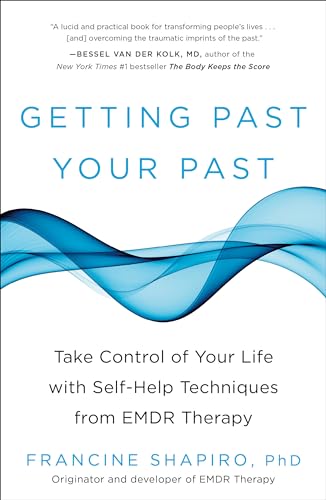
Getting Past Your Past: Take Control of Your Life with Self-Help Techniques from EMDR Therapy: Shapiro, Francine
Francine Shapiro, the developer ... psychotherapy, <strong>translates her groundbreaking method into practical suggestions for those who have been stuck in past events from which they have been unable
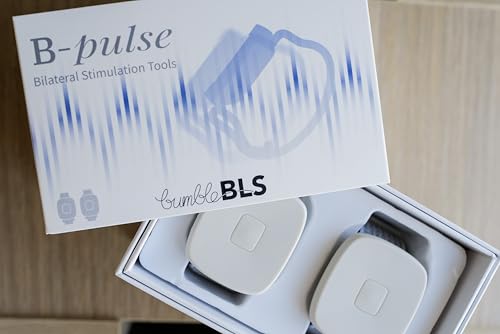
B-Pulse Bilateral Stimulation Tool, Dual Vibration Units with Adjustable Straps, EMDR Therapy Device for Children and Adults
BILATERAL STIMULATION: <strong>Includes two synchronized units (left and right) that produce alternating vibrations for bilateral stimulation in therapy</strong>. ADAPTABLE DESIGN: Includes adjustable

ALMAWAVE SENSE EMDR Bilateral Stimulation Tappers, Handheld Vibration Therapy Device with Light for Anxiety and Stress Relief, Includes Free Protocol Book
BILATERAL STIMULATION FOR EMDR DEVICE – <strong>Recreates the EMDR technique with alternating vibrations and left-right lights, just like a light bar</strong>. An essential tool for desensitization an
Evidence & Sources
Supported by multiple clinical trials and systematic reviews
- World Health Organization (WHO) Guidelines for the Management of Conditions Specifically Related to Stress
- U.S. Department of Veterans Affairs / Department of Defense Clinical Practice Guideline for PTSD
- National Institute for Health and Care Excellence (NICE) Guideline: Post-traumatic stress disorder
- American Psychiatric Association Practice Guideline for the Treatment of Patients With Acute Stress Disorder and Posttraumatic Stress Disorder
- Cochrane Database of Systematic Reviews
- Journal of EMDR Practice and Research
- The Lancet Psychiatry
- National Center for Complementary and Integrative Health (NCCIH)
This content is for informational purposes only and does not constitute medical advice. Always consult a qualified healthcare provider before starting, stopping, or changing any supplement or medication regimen.