

Cupping Therapy
Also known as: Cupping, Hijama Cupping, Vacuum Cupping
Overview
Cupping therapy is a manual therapy modality that uses specially designed cups placed on the skin to create suction. The technique is used in several forms, including dry cupping (suction only), wet cupping (suction combined with superficial skin pricking in some traditions), and modern variants that may involve heat, pumps, or moving cups across oiled skin. Across cultures, cupping has been used for centuries in East Asian medicine, Middle Eastern medical traditions, and other folk healing systems. Today, it is commonly sought for muscle tightness, back and neck discomfort, sports recovery, and respiratory complaints, and it has gained broader visibility through athletics and integrative medicine settings.
From a contemporary health perspective, cupping is often discussed as a therapy intended to alter local circulation, affect soft tissue mechanics, and influence pain perception. The circular marks sometimes left after treatment are caused by suction-related capillary changes rather than incisions in dry cupping, and they typically fade over days to weeks. Supporters describe the therapy as helping to release fascial restriction, reduce muscular tension, and promote relaxation. Traditional systems may frame these same effects differently, using concepts such as improving the movement of qi, blood, or vital force, and clearing stagnation or excess.
Interest in cupping has grown alongside the wider use of complementary and integrative therapies for pain and recovery. Research suggests cupping may offer short-term symptom relief for some musculoskeletal pain conditions, but the quality of evidence varies considerably depending on the condition studied and the rigor of the trial design. Placebo control is difficult in manual therapies, and studies often differ in cup type, duration, treatment frequency, and whether cupping is combined with acupuncture, massage, or standard care. As a result, interpretations of effectiveness require caution.
Cupping is generally considered a low-technology, practitioner-dependent modality, but it is not risk-free. Reported adverse effects include bruising, skin irritation, burns when fire is used, infection risk with wet cupping, and occasional worsening of symptoms. For that reason, discussion of cupping is best placed within a broader, individualized healthcare context, especially for people with bleeding disorders, fragile skin, certain dermatologic conditions, or complex medical histories. In integrative care, cupping is often considered one supportive modality among many rather than a stand-alone solution.
Medical Perspectives
Two Ways of Seeing Health

Western
scientific · clinical
Western medicine applies science, technology, and clinical experience to treat symptoms through testing, diagnosis, and targeted intervention.

Eastern
traditional · alternative
Eastern medicine focuses on treating the body naturally by applying traditional knowledge practiced for thousands of years, emphasizing balance and whole-person wellness.
Gold Bamboo presents both perspectives side-by-side so you can make informed decisions. We don't advocate for one over the other — your health choices are yours.
Western Medicine Perspective
Western Medicine Perspective
In conventional medicine, cupping therapy is typically evaluated as a complementary physical medicine intervention rather than a primary disease treatment. Proposed mechanisms include increased local blood flow, changes in connective tissue tension, stimulation of cutaneous and deep sensory nerves, and activation of neurophysiologic pathways involved in pain modulation. Some authors also discuss effects on the autonomic nervous system, inflammation markers, or myofascial mobility, although these mechanisms remain under investigation. Western clinicians who incorporate cupping often do so in the context of musculoskeletal care, especially for back, shoulder, and neck symptoms.
The strongest area of research has been in pain-related conditions, particularly chronic low back pain, neck pain, and nonspecific musculoskeletal discomfort. Systematic reviews and meta-analyses have found that cupping may be associated with improvements in pain and function compared with usual care or no treatment in some studies. However, the certainty of evidence is often limited by small sample sizes, inconsistent methods, risk of bias, and difficulty blinding participants and practitioners. Evidence for respiratory conditions, athletic recovery, migraine, or broader "detoxification" claims is much less established in mainstream biomedical literature.
From a safety standpoint, conventional medicine emphasizes screening, hygiene, and clear indication boundaries. Dry cupping commonly causes temporary skin discoloration and soreness; wet cupping carries additional concerns related to skin injury and infection control. Fire cupping introduces burn risk, and any form of cupping may be inappropriate in areas of active skin disease, open wounds, or severe vascular fragility. Healthcare professionals generally view cupping as a modality that may have a role in symptom management for selected individuals, while noting that it does not replace evaluation for serious underlying conditions or evidence-based medical treatment when those are needed.
Eastern & Traditional Perspective
Eastern/Traditional Medicine Perspective
In Traditional Chinese Medicine (TCM), cupping is understood as a technique that helps move qi and blood, disperse stagnation, and release pathogenic influences such as wind, cold, dampness, or heat, depending on the pattern being treated. It is often applied along meridians or over areas of palpable tension and tenderness. Within this framework, pain may reflect impaired movement of qi and blood, while respiratory complaints may be interpreted through patterns involving the Lung system and external pathogenic factors. Cupping may therefore be used to support the body's effort to restore balance and improve functional flow.
Traditional practitioners may select different styles of cupping based on the presentation. Stationary cupping may be used over tight or painful regions, moving cupping over broader muscular areas, and wet cupping in traditions that view the technique as helping clear excess or heat. In TCM-informed practice, cupping is often combined with acupuncture, moxibustion, herbal medicine, or bodywork, making it part of a larger pattern-based therapeutic approach rather than an isolated intervention.
Beyond TCM, cupping also appears in Unani, Arabic, Persian, and other traditional medical systems, where it may be described as supporting the removal of harmful substances, rebalancing humors, or relieving stagnation. Some naturopathic and integrative practitioners interpret cupping through a blend of traditional theory and modern soft-tissue concepts, emphasizing circulation, lymphatic movement, and relaxation responses. While these frameworks differ in language and theory, they share the view that localized suction can influence systemic well-being through the skin, connective tissue, and energetic pathways.
Traditional medicine perspectives generally place strong emphasis on individual constitution and pattern differentiation. In that context, the same symptom—such as back pain or chest congestion—may be approached differently depending on the person's overall presentation. Although many of these models are historically rich and widely practiced, their explanatory frameworks do not always map directly onto biomedical concepts, which is important when comparing traditional use with modern clinical evidence.
Supplements & Products
Recommended Products
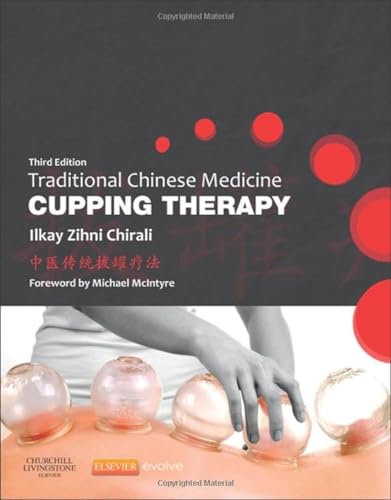
Traditional Chinese Medicine Cupping Therapy
Ilkay’s wide-ranging studies have brought him expertise in acupuncture, Chinese Herbal Medicine, clinical hypnotherapy, the Lusher Personality Test, paediatric acupuncture and western medicine patholo
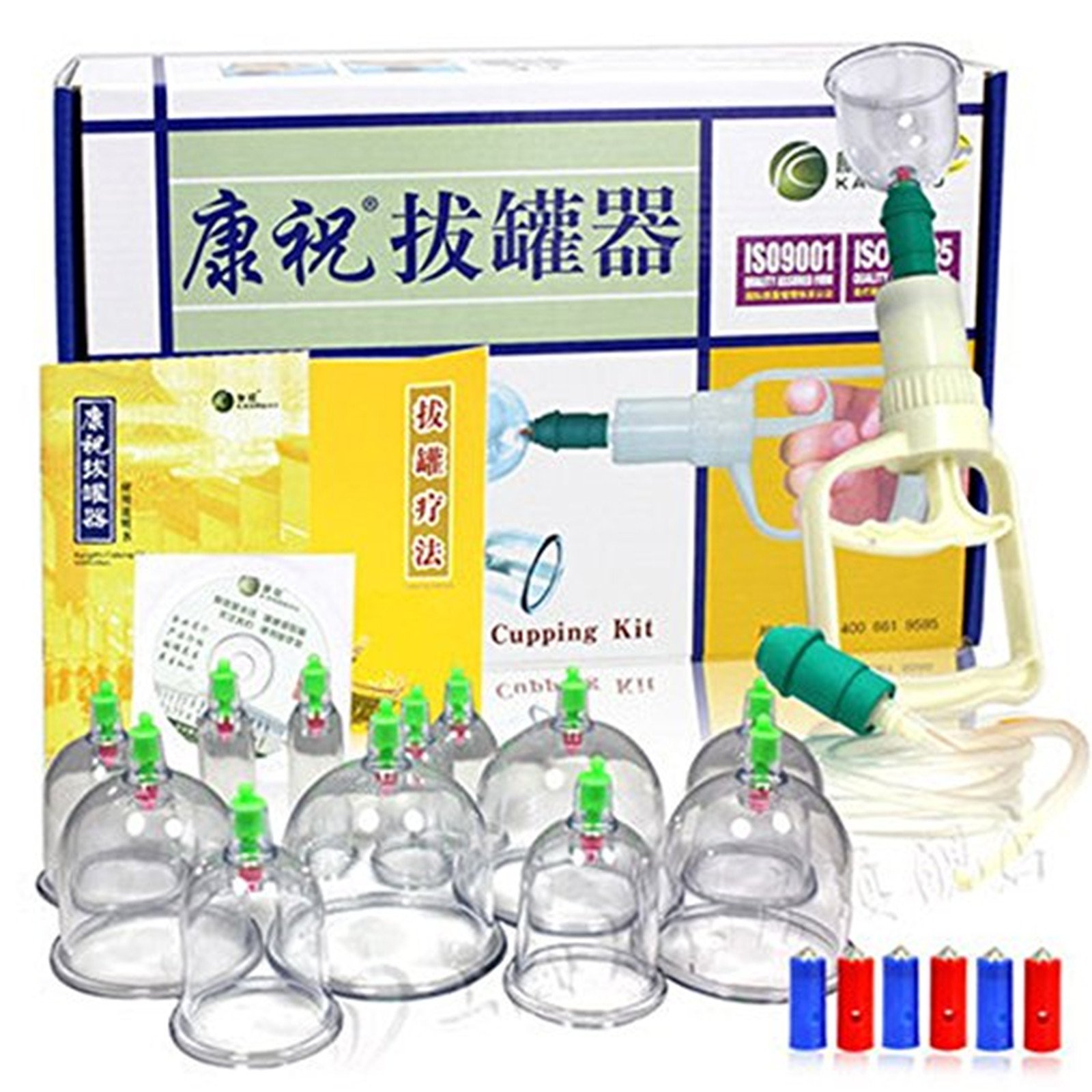
Kangzhu 12-Cup Biomagnetic Chinese Cupping Therapy Set
Easily release pressure by pulling on the pressure valve. <strong>This set includes 12 different sized cups with biomagnetic points</strong>. 1 x Hand pump 1 x Connector hose 1 x Cupping manual and in
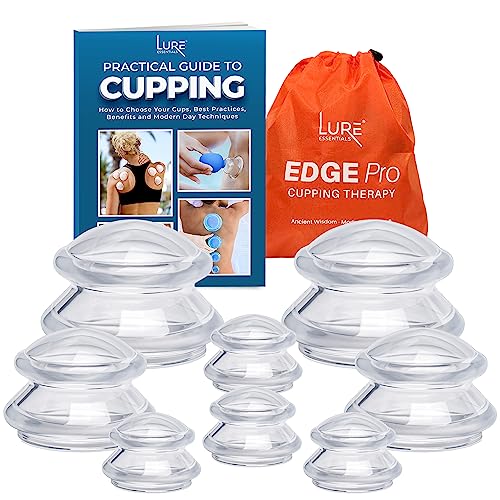
Lure Essentials Edge Silicone Cupping Set, Cupping Kit for Massage Therapy, Long Lasting Cups for Professional & Home Use, Body Sculpt Cup for Cellulite, Ultra Transparent Blue (8 Count)
Geiserailie 16 Pcs 4 Sizes Cupping Therapy Set Silicone Cupping Massage Cups Professional Chinese Therapy Cup Vacuum for Body Muscle Nerve(Blue) Lure Essentials Edge Silicone Cupping Set, Cupping Kit
Evidence & Sources
Promising research with growing clinical support from multiple studies
- National Center for Complementary and Integrative Health (NCCIH)
- Journal of Traditional and Complementary Medicine
- BMJ Open
- PLoS One
- The Journal of Pain
- Evidence-Based Complementary and Alternative Medicine
- World Health Organization (WHO) traditional medicine resources
- Mayo Clinic Proceedings
This content is for informational purposes only and does not constitute medical advice. Always consult a qualified healthcare provider before starting, stopping, or changing any supplement or medication regimen.