

Craniosacral Therapy
Overview
Craniosacral Therapy (CST) is a gentle, hands-on bodywork modality that focuses on subtle palpation of the head, spine, sacrum, and surrounding tissues. It emerged from osteopathic medicine in the 20th century, particularly from ideas related to the movement of cerebrospinal fluid, mobility of cranial bones, and rhythmic patterns within the body sometimes described as the "craniosacral rhythm." Practitioners generally use light touch with the aim of evaluating and supporting the function of the central nervous system, fascial tissues, and the body's self-regulatory processes.
CST is commonly discussed in the context of pain, stress-related symptoms, headaches, musculoskeletal tension, sleep difficulties, and general well-being. It is offered by some massage therapists, osteopathic practitioners, physical therapists, and complementary medicine clinicians. Interest in CST reflects a broader public demand for low-force, nonpharmacologic approaches to symptom management, especially in people seeking supportive care for chronic discomfort or stress-related conditions.
At the same time, CST remains controversial within mainstream medicine. Some of its foundational concepts—particularly the degree of palpable cranial bone motion in adults and the reliability of detecting a distinct craniosacral rhythm—have been challenged by anatomy, physiology, and measurement studies. Research on outcomes is mixed: some studies suggest possible benefits for pain, anxiety, or quality of life, while systematic reviews often note small sample sizes, heterogeneous methods, and difficulty separating specific effects from relaxation, therapeutic touch, and contextual healing factors.
Because of these debates, CST is best understood as a complementary modality with ongoing scientific uncertainty. Supporters describe it as a gentle approach that may help some individuals feel more relaxed, less tense, or more comfortable; critics note that its proposed mechanisms are not firmly established. A balanced view recognizes both patient-reported benefit and the present limits of the evidence base, while emphasizing that persistent or serious symptoms warrant evaluation by qualified healthcare professionals.
Medical Perspectives
Two Ways of Seeing Health

Western
scientific · clinical
Western medicine applies science, technology, and clinical experience to treat symptoms through testing, diagnosis, and targeted intervention.

Eastern
traditional · alternative
Eastern medicine focuses on treating the body naturally by applying traditional knowledge practiced for thousands of years, emphasizing balance and whole-person wellness.
Gold Bamboo presents both perspectives side-by-side so you can make informed decisions. We don't advocate for one over the other — your health choices are yours.
Western Medicine Perspective
Western Medicine Perspective
From a conventional medical perspective, Craniosacral Therapy is generally categorized under complementary and integrative therapies, often alongside massage, manual therapy, and mind-body interventions. Western clinicians who are open to CST may frame potential benefits in terms of nonspecific but meaningful mechanisms such as downregulation of stress responses, enhanced relaxation, reduced muscle guarding, therapeutic touch, and patient-practitioner interaction rather than exclusively through the traditional craniosacral model. In this interpretation, improvements in pain or well-being may arise from autonomic nervous system effects, reduced perceived stress, and the broader context of supportive care.
However, mainstream medicine has raised important concerns about CST's biological plausibility and measurement reliability. Reviews have questioned whether practitioners can consistently detect a unique craniosacral rhythm, and whether manual influence over cranial bone motion or cerebrospinal fluid flow is physiologically credible in the way classic CST descriptions propose. For this reason, many conventional sources regard CST as a modality with insufficient high-quality evidence for specific medical claims. Studies on headache, neck pain, back pain, fibromyalgia, and infant-related indications have produced mixed findings, and trial quality varies considerably.
In integrative care settings, CST may still be discussed as a supportive modality for comfort, relaxation, and subjective symptom relief, particularly when used alongside standard medical care rather than as a replacement for diagnosis or treatment. Conventional medicine generally emphasizes careful screening, especially when neurological symptoms, trauma, infection, intracranial pathology, or other serious conditions may be present. The overall western view is therefore cautious: there may be value in the experience of gentle touch and relaxation, but condition-specific claims remain under active debate and require stronger evidence.
Eastern & Traditional Perspective
Eastern/Traditional Medicine Perspective
From an Eastern and traditional medicine perspective, Craniosacral Therapy is not a classical therapy within systems such as Traditional Chinese Medicine (TCM) or Ayurveda, but it is often interpreted through familiar concepts of energy flow, structural balance, nervous system regulation, and the body's innate capacity for self-healing. Practitioners working in integrative settings may compare CST's subtle manual approach to efforts in traditional systems to restore harmony, remove stagnation, and support the connection between physical structure, breath, mind, and vitality.
In TCM-informed interpretations, gentle work around the head, spine, and sacrum may be viewed as influencing the flow of qi, calming the shen, and easing patterns associated with tension, stress, or pain. Rather than focusing on specific biomedical structures alone, this perspective tends to place CST within a broader aim of improving whole-body balance. Similarly, Ayurvedic-oriented practitioners may describe its effects in terms of settling the nervous system, supporting pranic flow, and reducing patterns associated with excess agitation or depletion, especially where rest, grounding, and subtle therapeutic contact are emphasized.
Naturopathic and holistic traditions often place CST within a philosophy that values low-force interventions and the body's self-organizing intelligence. In these frameworks, the therapy is often used not as a stand-alone cure but as one element of a broader wellness approach that may also include stress management, nutrition, movement, and other traditional or natural therapies. While these perspectives can help explain why CST is meaningful to many patients and practitioners, they are based largely on traditional, experiential, and integrative models rather than uniformly validated biomedical mechanisms.
Supplements & Products
Recommended Products
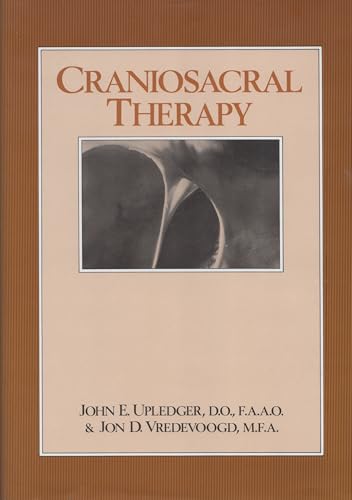
Craniosacral Therapy
Craniosacral Therapy is <strong>the most practical, comprehensive textbook in this rapidly growing field of therapy involving the cranial bones, meningeal membranes, cerebrospinal fluids, and whole-bo

Still Point Inducer by Upledger – Designed for Craniosacral Therapy and Tension Support, Neck & Shoulder Muscle Relaxation
Introducing the Still Point Inducer! <strong>The most effective home therapy solution intended to help relieve your stress, tension and pain</strong>. This simple, yet effective, healthcare device was

Occipital Release Tool for Pivotal Therapy & TMJ Device – Cervical Traction Pillow for Neck, Shoulder, and Back Pain Relief - Tension Headaches, Firm Foam Cradle, Craniosacral Therapy, Trigger Points
[Instructions Inside] Start with just 1-2 minutes per day to assess your tolerance, as head-rush or pain is possible for tighter/cramped muscles. Work up to 10-15 minute sessions per day to slowly eas
Evidence & Sources
Early-stage research, mostly preclinical or preliminary human studies
- National Center for Complementary and Integrative Health (NCCIH)
- Cochrane Library
- The Journal of Alternative and Complementary Medicine
- BMC Complementary Medicine and Therapies
- Manual Therapy
- Journal of Bodywork and Movement Therapies
- International Journal of Osteopathic Medicine
- American Academy of Pediatrics
- The Clinical Journal of Pain
This content is for informational purposes only and does not constitute medical advice. Always consult a qualified healthcare provider before starting, stopping, or changing any supplement or medication regimen.