

Chromotherapy
Also known as: Color Therapy, Chromo Therapy, Chromoterapy
Overview
Chromotherapy, also called color therapy, is a healing modality that uses colored light, colored environments, or visual exposure to specific hues with the aim of influencing physical, emotional, mental, and spiritual well-being. In contemporary wellness settings, chromotherapy may involve colored lamps, LED devices, visualization practices, colored fabrics, or architectural design intended to create a particular physiological or psychological effect. Historically, color-based healing concepts appear in several traditions, including ancient Egyptian, Greek, Ayurvedic, and later naturopathic systems, where color was associated with energy, mood, temperament, or the balance of bodily functions.
Interest in chromotherapy persists because color is clearly relevant to human biology and behavior. Light affects circadian rhythms, sleep-wake regulation, melatonin secretion, alertness, and mood, and environmental color can shape subjective experiences such as calmness, stimulation, or emotional tone. This overlap between established light biology and broader claims about therapeutic color has helped sustain public and clinical curiosity. However, it is important to distinguish between well-studied light-based interventions—such as bright light therapy for seasonal affective disorder or circadian rhythm disorders—and broader chromotherapy claims about restoring energetic balance or treating a wide range of illnesses.
Within integrative health, chromotherapy is generally discussed as a complementary modality rather than a primary medical treatment. Supporters describe colors as carrying distinct vibrational qualities: for example, blue may be associated with calm, red with stimulation, and green with balance. These interpretations vary across schools and traditions, and there is no universally accepted diagnostic system or protocol. As a result, chromotherapy spans a wide spectrum—from psychologically plausible uses of light and color exposure to more metaphysical frameworks involving chakras, subtle energy, or spiritual harmonization.
From an evidence standpoint, the field is mixed and uneven. Research strongly supports some effects of light on human physiology, especially regarding circadian function and mood regulation, but evidence for disease-specific chromotherapy based on individual colors remains limited. Many claims are rooted in traditional use, practitioner experience, or extrapolation from environmental psychology rather than large, high-quality clinical trials. For that reason, chromotherapy is best understood as a broad traditional and wellness practice with selective connections to established light science, rather than a uniformly validated medical therapy.
Medical Perspectives
Two Ways of Seeing Health

Western
scientific · clinical
Western medicine applies science, technology, and clinical experience to treat symptoms through testing, diagnosis, and targeted intervention.

Eastern
traditional · alternative
Eastern medicine focuses on treating the body naturally by applying traditional knowledge practiced for thousands of years, emphasizing balance and whole-person wellness.
Gold Bamboo presents both perspectives side-by-side so you can make informed decisions. We don't advocate for one over the other — your health choices are yours.
Western Medicine Perspective
Western Medicine Perspective
From the standpoint of conventional medicine, chromotherapy is not generally recognized as a standardized medical treatment for most health conditions. Western research does, however, clearly acknowledge that light influences human neurobiology. Exposure to light affects retinal pathways, the suprachiasmatic nucleus, circadian timing, melatonin production, alertness, and mood-related systems. This is why bright light therapy has become an accepted intervention in specific contexts, particularly seasonal affective disorder, some circadian rhythm sleep disorders, and certain depressive symptoms under professional supervision. These applications are based on light intensity, timing, and wavelength effects rather than traditional color-energy theory.
Research in environmental psychology and behavioral medicine also suggests that color can influence perception, stress response, performance, and emotional state. For example, studies have examined whether blue-enriched light supports alertness, whether warm-toned environments affect comfort, and whether green space or visually calming color palettes influence recovery and stress. Some small studies have explored colored light for pain, relaxation, or well-being, but findings are often inconsistent, limited by small sample sizes, lack of blinding, and variable methodology. As a result, mainstream medicine generally views broader chromotherapy claims as insufficiently validated.
Conventional clinicians may distinguish chromotherapy from phototherapy, a medically established category that includes treatments such as neonatal jaundice phototherapy, ultraviolet light for certain skin conditions, and bright light therapy for mood and circadian disorders. In these settings, the mechanism, dosage, wavelength, and risks are more clearly defined. By contrast, claims that specific colors directly balance organs, detoxify the body, or treat complex diseases have not been firmly established in the biomedical literature. Healthcare providers commonly emphasize that individuals considering complementary light-based practices benefit from discussing them with qualified professionals, especially if they have eye disease, bipolar spectrum conditions, photosensitivity, migraine disorders, or use medications that alter light sensitivity.
Eastern & Traditional Perspective
Eastern and Traditional Medicine Perspective
In traditional and integrative healing systems, chromotherapy is often understood through the lens of energy, balance, and resonance rather than biochemical mechanisms alone. In many modern holistic interpretations influenced by Ayurveda, yoga, chakra systems, naturopathy, and esoteric healing traditions, each color is thought to correspond to particular energetic qualities and areas of human experience. Red may be associated with vitality and grounding, blue with cooling and calm, yellow with digestion or intellect, green with harmony, and violet with spiritual awareness. In this framework, illness may be seen as reflecting imbalance in the body’s energetic field, with color used symbolically or therapeutically to support restoration of equilibrium.
Although classical Ayurvedic texts do not always present chromotherapy in the same modern form seen in wellness practice today, Ayurvedic thought has long emphasized the relationship between light, the elements, sensory experience, and mind-body balance. Similarly, contemporary chakra-based healing often links colors to psycho-spiritual centers, proposing that colored visualization, light exposure, gemstones, clothing, or meditation may help harmonize emotional and subtle-energy patterns. In some naturopathic and nature-cure traditions, color has also been incorporated into broader regimens involving sunlight, hydrotherapy, rest, diet, and mental-emotional support.
Within these traditions, chromotherapy is usually valued less as a disease-specific intervention and more as a regulatory, supportive, and balancing modality. Practitioners may describe its role in promoting relaxation, enhancing meditation, supporting emotional processing, or creating a healing environment. These uses are largely based on traditional theory, experiential knowledge, and symbolic frameworks rather than modern clinical consensus. As with many traditional modalities, interpretations vary substantially across lineages and practitioners, and integrative care models typically place chromotherapy alongside—not in place of—appropriate medical evaluation when significant symptoms are present.
Supplements & Products
Recommended Products
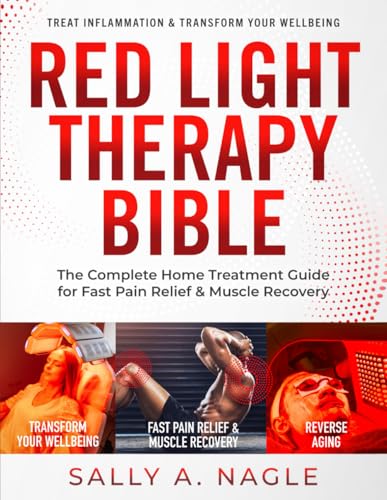
Light Therapies: A Complete Guide to the Healing Power of Light: Martel, Anadi, Liberman O.D. Ph.D., Jacob
Yet only recently have we begun ... our physical and psychological well-being. <strong>Covering the historic, scientific, and spiritual aspects of light and its role in energy medicine</strong>, Anadi

Verilux HappyLight Luxe - Light Therapy Lamp with 10,000 Lux, UV-Free, LED Bright White Light with Adjustable Brightness, Color, Countdown Timer, & Stand - Boost Mood, Sleep, Focus (White)
Verilux HappyLight Lumi Plus - Light Therapy Lamp with 10,000 Lux, <strong>UV-Free, LED Bright White Light with Adjustable Brightness, Countdown Timer, & Detachable Stand - Boost Mood, Sleep, and
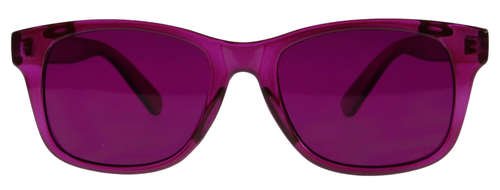
Classic Style Color Therapy Glasses, Colored Sunglasses Set of 7 Colors : Light Therapy Products
Amazon.com : Classic Style Color Therapy Glasses, Colored Sunglasses Set of 7 Colors : Light Therapy Products : Health & Household
Evidence & Sources
Early-stage research, mostly preclinical or preliminary human studies
- National Center for Complementary and Integrative Health (NCCIH)
- National Institute of Mental Health (NIMH)
- Cochrane Database of Systematic Reviews
- Sleep Medicine Reviews
- Journal of Affective Disorders
- Environmental Health Perspectives
- Seminars in Perinatology
- American Academy of Sleep Medicine
- World Health Organization (WHO)
This content is for informational purposes only and does not constitute medical advice. Always consult a qualified healthcare provider before starting, stopping, or changing any supplement or medication regimen.