

Chiropractic
Overview
Chiropractic is a hands-on healthcare modality centered on the assessment and treatment of disorders involving the spine, joints, muscles, and nervous system, with particular emphasis on how musculoskeletal function may influence pain, mobility, and overall physical performance. It originated in the late 19th century and has since developed into a regulated profession in many countries, especially for the management of back pain, neck pain, and certain types of headache. While public perception often associates chiropractic primarily with spinal manipulation, contemporary chiropractic practice may also include exercise guidance, soft-tissue techniques, postural education, and lifestyle counseling.
The central therapeutic approach in chiropractic is commonly called spinal manipulative therapy or manual adjustment, in which a practitioner applies a controlled force to a joint with the aim of improving motion and reducing discomfort. Research has examined chiropractic care most extensively for low back pain, where studies suggest it may offer modest benefit for some individuals, particularly as part of a broader conservative care approach. Evidence for other conditions is more mixed, and the degree of benefit can vary depending on the condition, practitioner approach, and patient characteristics.
Chiropractic occupies an important place in integrative and conservative musculoskeletal care because many pain-related conditions are common, recurrent, and costly. Low back pain remains one of the leading causes of disability worldwide, and nonpharmacologic approaches are frequently discussed in clinical guidelines. In this context, chiropractic is often considered alongside physical therapy, exercise-based rehabilitation, massage, and other conservative modalities. At the same time, the field remains the subject of ongoing debate, particularly around the interpretation of chiropractic theory, the scope of practice, and safety considerations for certain high-velocity techniques.
As with many manual therapies, chiropractic is best understood as a modality with varied practice styles, rather than a single uniform intervention. Some practitioners focus narrowly on spine-related pain and function, while others use broader wellness frameworks. Because patient needs, underlying diagnoses, and risk profiles differ, conventional and integrative sources alike commonly emphasize the importance of individualized evaluation and consultation with qualified healthcare professionals, especially when symptoms are severe, progressive, neurologic, or unexplained.
Medical Perspectives
Two Ways of Seeing Health

Western
scientific · clinical
Western medicine applies science, technology, and clinical experience to treat symptoms through testing, diagnosis, and targeted intervention.

Eastern
traditional · alternative
Eastern medicine focuses on treating the body naturally by applying traditional knowledge practiced for thousands of years, emphasizing balance and whole-person wellness.
Gold Bamboo presents both perspectives side-by-side so you can make informed decisions. We don't advocate for one over the other — your health choices are yours.
Western Medicine Perspective
Western Medicine Perspective
From a conventional medical perspective, chiropractic is generally viewed as a form of manual medicine used primarily for musculoskeletal symptoms, especially acute and chronic low back pain, some cases of neck pain, and selected tension-type or cervicogenic headaches. Clinical guidelines in several countries have included spinal manipulation among possible nonpharmacologic options for certain back pain presentations. Research suggests that for low back pain, spinal manipulation may provide small to moderate improvements in pain and function in some patients, often comparable to other conservative approaches rather than clearly superior to them.
Western medicine tends to evaluate chiropractic based on condition-specific evidence, mechanism plausibility, and safety. The strongest evidence base is for uncomplicated low back pain; support is more limited or inconsistent for neck pain, headache, extremity pain, and non-musculoskeletal conditions. Mainstream medicine generally does not support broad claims that spinal adjustment treats systemic diseases through correction of spinal misalignment alone. Instead, conventional interpretation focuses on more measurable mechanisms such as changes in joint mobility, muscle tone, pain modulation, and patient engagement in conservative care.
Safety is an important part of the western discussion. Most reported side effects after spinal manipulation are mild and transient, such as soreness or stiffness. However, rare but serious adverse events have been reported, particularly in relation to cervical spinal manipulation, including vertebral artery dissection and stroke, though causation and incidence remain debated in the literature. Conventional sources therefore stress careful screening, attention to red-flag symptoms, and coordination with medical care when there is trauma, osteoporosis, suspected fracture, infection, cancer, severe neurologic deficit, or other conditions requiring urgent evaluation.
Eastern & Traditional Perspective
Eastern/Traditional Medicine Perspective
From an eastern and traditional medicine standpoint, chiropractic is not a classical modality within systems such as Traditional Chinese Medicine (TCM) or Ayurveda, but it shares meaningful conceptual overlap with longstanding traditions of body-based healing. Many traditional systems view pain and restricted movement as signs of impaired flow, imbalance, or obstruction within the body. In that broader framework, manual correction of structure and movement can be seen as an attempt to restore functional harmony, improve circulation, and reduce patterns of tension or stagnation.
In integrative practice, chiropractic may be understood as complementary to TCM approaches such as acupuncture, tui na, cupping, and therapeutic exercise, all of which aim to improve mobility and relieve pain through regulation of bodily systems. TCM might interpret spinal or joint dysfunction through patterns involving qi and blood stagnation, channel obstruction, or imbalance affecting the sinews and bones. Ayurveda may frame similar complaints in relation to vata imbalance, dryness, instability, or disturbed movement within the neuromuscular system. In these traditions, physical alignment is often considered one aspect of a larger picture that also includes digestion, stress, sleep, constitution, and lifestyle rhythms.
Naturopathic and other holistic models often place chiropractic within a conservative, nonpharmacologic philosophy that emphasizes supporting the body’s inherent capacity for regulation and recovery. However, traditional systems typically do not assume that spinal manipulation alone addresses all dimensions of illness. Rather, they often situate manual therapy within a broader pattern-based approach that may include movement practices, breathing, diet, mindfulness, herbal traditions, or other supportive therapies. As in western care, consultation with appropriately trained practitioners is considered important when symptoms are persistent, complex, or associated with warning signs.
Supplements & Products
Recommended Products
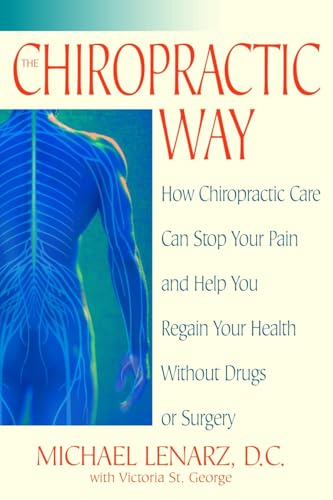
The Chiropractic Way: How Chiropractic Care Can Stop Your Pain and Help You Regain Your Health Without Drugs or Surgery: Lenarz, Michael, St. George, Victoria
Michael Lenarz <strong>illuminates the basic principles of spinal health, showing how the body naturally lets go of stored pain and disease once the flow of vital energy has been restored</strong>.
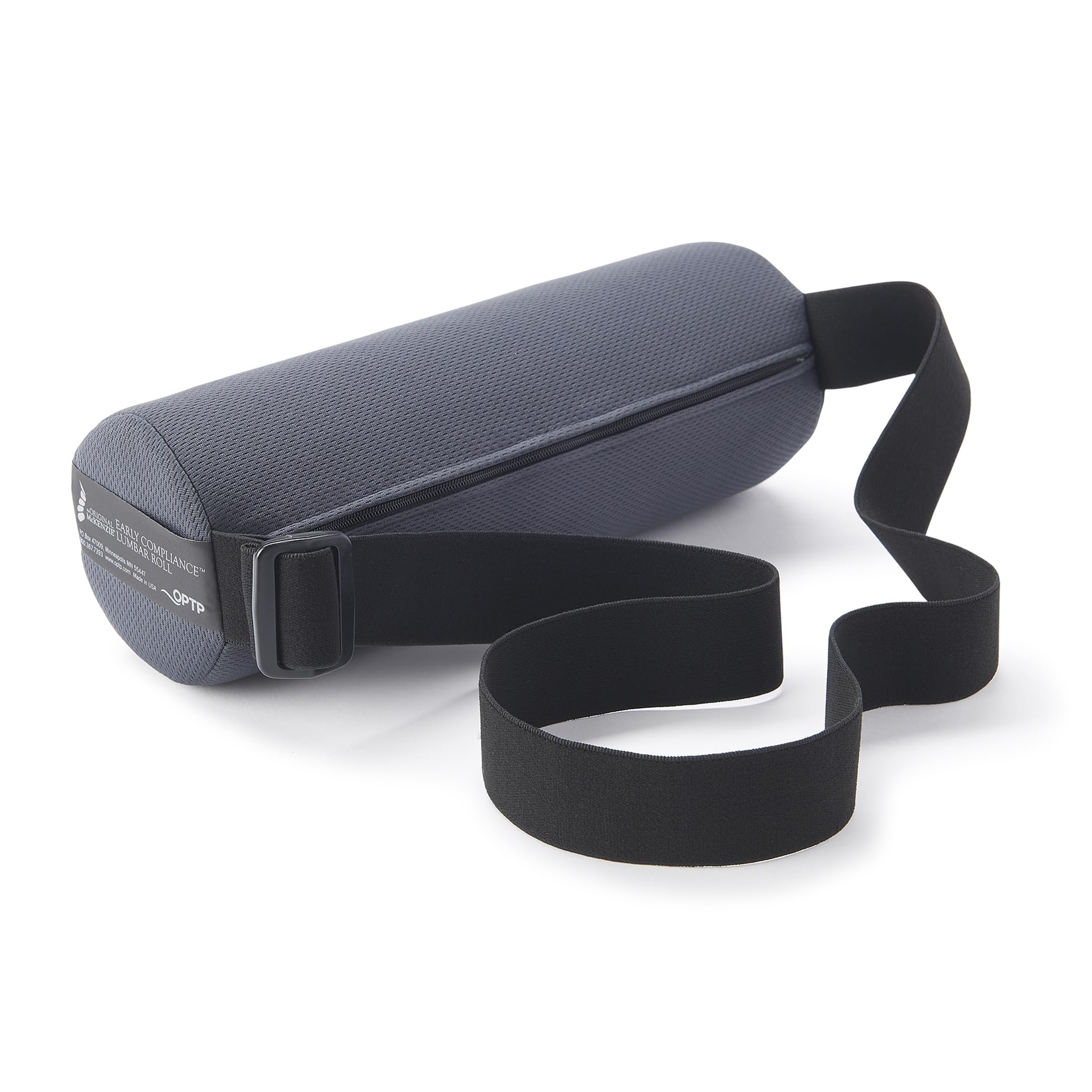
OPTP The Original McKenzie Lumbar Roll – USA-Made Low Back Lumbar Support for Office Chair & Car Seat Back Support Cushion. The Preferred Lumbar Pillow by Physical Therapists - Firm Density
The Original McKenzie Lumbar Roll is <strong>the top-selling back cushion, and the preferred choice of spine and back pain experts around the world</strong>. McKenzie back supports are ideal for any s

Biofreeze Pain Relief Gel, 4 oz. Tube (Packaging May Vary)
Biofreeze Gel Pain Relief, Knee ... Professional Pain Relief Gel, 4 oz Tube (3-Pack) - <strong>Fast, Cooling Relief for Arthritis, Muscle Soreness, Joint, Back, Neck, Knee Pain & More</strong>...
Evidence & Sources
Promising research with growing clinical support from multiple studies
- National Center for Complementary and Integrative Health (NCCIH)
- The BMJ
- Journal of the American Medical Association (JAMA)
- Annals of Internal Medicine
- Cochrane Database of Systematic Reviews
- World Health Organization (WHO)
- Spine
- European Spine Journal
This content is for informational purposes only and does not constitute medical advice. Always consult a qualified healthcare provider before starting, stopping, or changing any supplement or medication regimen.