

Breathwork
Also known as: Breathing Exercises, Breath Work, Breathwrork
Overview
Breathwork is a broad term for structured breathing practices used to influence mental, emotional, and physical states. It includes slow diaphragmatic breathing, paced breathing, alternate nostril breathing, coherent breathing, and more intensive methods found in yoga, meditation traditions, psychotherapy settings, and performance training. While breathing is automatic, breathwork treats respiration as a tool that can be consciously adjusted to affect stress response, attention, mood, and bodily regulation.
Interest in breathwork has grown alongside broader attention to stress-related disorders, sleep disruption, anxiety, trauma recovery, and mind-body medicine. Research suggests that breathing patterns can influence the autonomic nervous system, heart rate variability, blood gas balance, and emotional regulation. For this reason, breathwork is often discussed as a low-cost, accessible modality that may support overall well-being when used appropriately and in context.
Breathwork is not one single technique, and this distinction matters. Gentler practices—such as slow breathing, resonant breathing, or diaphragmatic breathing—are more commonly studied in clinical and wellness settings. More activating methods, including rapid or prolonged hyperventilation-style practices, may produce intense sensations such as lightheadedness, tingling, emotional release, or altered awareness. These experiences are interpreted differently across traditions and research frameworks, and they may not be suitable for all individuals.
From a health perspective, breathwork is most often explored for stress reduction, anxiety symptoms, autonomic regulation, sleep support, pain coping, and emotional self-regulation. It is also used in contemplative traditions as part of spiritual cultivation and in movement systems to coordinate posture, energy, and focus. Although studies indicate meaningful potential benefits, breathwork is best understood as a diverse family of practices with varying evidence quality, mechanisms, and safety considerations.
Medical Perspectives
Two Ways of Seeing Health

Western
scientific · clinical
Western medicine applies science, technology, and clinical experience to treat symptoms through testing, diagnosis, and targeted intervention.

Eastern
traditional · alternative
Eastern medicine focuses on treating the body naturally by applying traditional knowledge practiced for thousands of years, emphasizing balance and whole-person wellness.
Gold Bamboo presents both perspectives side-by-side so you can make informed decisions. We don't advocate for one over the other — your health choices are yours.
Western Medicine Perspective
Western Medicine Perspective
In conventional medicine and behavioral health, breathwork is typically understood through the physiology of respiration and nervous system regulation. Slow, controlled breathing appears to affect the balance between sympathetic arousal (the "fight-or-flight" response) and parasympathetic activity (associated with rest and recovery). Studies suggest that certain breathing patterns may improve heart rate variability, perceived stress, anxiety symptoms, and emotional regulation, partly by influencing vagal tone, baroreflex sensitivity, and carbon dioxide levels.
Clinical and research interest has focused especially on diaphragmatic breathing, paced breathing, and slow breathing at roughly 4.5-6 breaths per minute, sometimes called resonant or coherent breathing. These techniques are often incorporated into psychotherapy, biofeedback, cardiac rehabilitation, pulmonary rehabilitation, mindfulness-based programs, and pain management. In these settings, breath practices are generally framed as supportive tools rather than stand-alone treatments.
At the same time, conventional medicine also recognizes limitations and risks. The evidence base is mixed because breathwork studies use different techniques, populations, and outcome measures. More intense methods that involve rapid breathing or prolonged breath retention may lead to dizziness, fainting, hypocapnia-related symptoms, panic-like sensations, or distress in vulnerable individuals. Caution is often noted for people with cardiovascular disease, respiratory disorders, seizure disorders, pregnancy-related concerns, or significant psychiatric conditions, especially when practices are unsupervised. Healthcare professionals commonly view breathwork as potentially beneficial, but most appropriate when matched to the individual, the technique, and the clinical context.
Eastern & Traditional Perspective
Eastern/Traditional Medicine Perspective
Across Traditional Chinese Medicine (TCM), yoga, Ayurveda, Buddhist practice, and other traditional systems, breath is regarded as more than gas exchange. It is often understood as a bridge between body, mind, and vital energy. In TCM, breathing practices may be connected to the cultivation and movement of qi, with attention to how breath supports calmness, organ balance, posture, and internal regulation. Practices such as qigong and meditative breathing are traditionally used to harmonize internal states and strengthen resilience.
In yogic traditions, breathwork is most closely associated with pranayama, a category of practices designed to regulate prana, or life force. Techniques may include alternate nostril breathing, ujjayi breathing, kapalabhati, bhramari, and breath retention practices. Traditionally, these methods are used to steady attention, prepare for meditation, influence energetic balance, and support physical and mental discipline. Ayurveda also relates breath to nervous system balance, mental clarity, and the regulation of doshic patterns, though interpretations vary by lineage and practitioner.
Naturopathic and integrative systems often adopt both traditional and modern explanations, describing breathwork as a way to support stress adaptation, self-awareness, and mind-body coherence. Within these perspectives, the quality, rhythm, and depth of breathing are seen as reflections of overall vitality and emotional state. Traditional frameworks generally place strong emphasis on context, gradual progression, and guidance from an experienced practitioner, particularly for more advanced or activating techniques.
Supplements & Products
Recommended Products
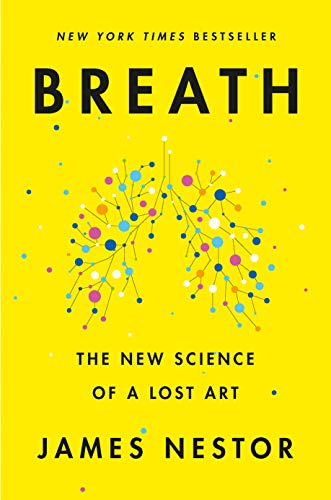
Breath: The New Science of a Lost Art: Nestor, James
Yet, as a species, humans have lost the ability to breathe correctly, with grave consequences. <strong>Journalist James Nestor travels the world to figure out what went wrong and how to fix it</strong
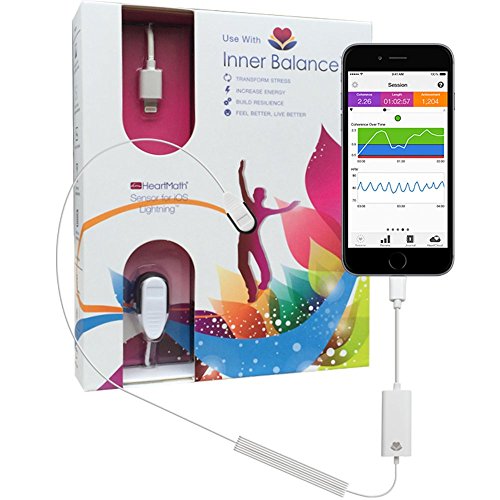
HeartMath Inner Balance Lightning
Research shows that when we are ... improved cognitive function. Inner Balance <strong>uses HeartMath's patented technology to monitor the subtle beat-to-beat changes in your heart rhythms</stron

Buckwheat Zafu Meditation Cushion, Black
Crafted with precision and care, this cushion <strong>offers exceptional support and stability for your meditation practice</strong>. Filled with resilient buckwheat hulls that mold to your unique sha
Evidence & Sources
Promising research with growing clinical support from multiple studies
- NCCIH (National Center for Complementary and Integrative Health)
- Frontiers in Human Neuroscience
- Cell Reports Medicine
- Harvard Health Publishing
- Journal of Clinical Medicine
- International Journal of Environmental Research and Public Health
- American Journal of Respiratory and Critical Care Medicine
- Journal of Alternative and Complementary Medicine
This content is for informational purposes only and does not constitute medical advice. Always consult a qualified healthcare provider before starting, stopping, or changing any supplement or medication regimen.