

Balneotherapy
Also known as: Balneo Therapy, Ballenotherapy, Balneothereapy
Overview
Balneotherapy refers to the therapeutic use of bathing—most often in mineral-rich thermal waters, muds, gases, or spa-based hydro-mineral environments—with the aim of supporting health and easing symptoms. The term is most commonly associated with European and Asian spa traditions, where naturally occurring hot springs and mineral waters have long been used for musculoskeletal complaints, skin conditions, stress-related symptoms, and general recovery. While the practice is often linked with wellness culture, balneotherapy also has a long medical history and, in some countries, remains integrated into rehabilitation and chronic disease management.
From a biomedical standpoint, balneotherapy is not one single intervention. It may include immersion in warm mineral water, sulfur baths, radon baths, saline baths, peloid or mud applications, and structured spa therapy programs that combine bathing with rest, movement, and supervised rehabilitation. Its potential effects are thought to arise from a combination of thermal factors (heat), mechanical factors (buoyancy and hydrostatic pressure), and chemical factors related to minerals dissolved in the water. These influences may affect pain perception, circulation, muscle tone, skin barrier function, and overall relaxation.
Balneotherapy is most often discussed in relation to osteoarthritis, chronic low back pain, fibromyalgia, psoriasis, atopic dermatitis, and recovery from chronic stress or fatigue states. Research suggests that some people experience short-term improvements in pain, stiffness, quality of life, and functional capacity, especially when balneotherapy is delivered as part of a broader spa or rehabilitation program. At the same time, study quality varies substantially, and outcomes can be difficult to separate from non-specific benefits such as reduced stress, time away from daily strain, gentle exercise, and supportive care.
Because balneotherapy spans both medical rehabilitation and traditional healing systems, it sits at an intersection of conventional and complementary medicine. Interest remains high in countries with established spa medicine traditions, but clinical use is not standardized globally. As with other supportive modalities, interpretation benefits from context: mineral composition, water temperature, duration of exposure, and the underlying condition all influence how the therapy is understood and studied. People with cardiovascular disease, unstable medical conditions, pregnancy-related concerns, frailty, or certain skin or neurologic disorders may require individualized assessment from a qualified healthcare professional before using spa-based therapies.
Medical Perspectives
Two Ways of Seeing Health

Western
scientific · clinical
Western medicine applies science, technology, and clinical experience to treat symptoms through testing, diagnosis, and targeted intervention.

Eastern
traditional · alternative
Eastern medicine focuses on treating the body naturally by applying traditional knowledge practiced for thousands of years, emphasizing balance and whole-person wellness.
Gold Bamboo presents both perspectives side-by-side so you can make informed decisions. We don't advocate for one over the other — your health choices are yours.
Western Medicine Perspective
Western / Conventional Medicine Perspective
In conventional medicine, balneotherapy is generally viewed as a supportive, non-pharmacologic modality rather than a primary treatment for disease. Clinical interest has centered on chronic conditions where symptom burden is high and long-term self-management is important, especially rheumatologic, orthopedic, dermatologic, and rehabilitation-related disorders. Proposed mechanisms include the analgesic effect of warmth, reduced joint loading through buoyancy, improved mobility in water, relaxation of muscle spasm, and possible anti-inflammatory or keratolytic effects associated with specific minerals such as sulfur or high-salt content.
The strongest conventional literature has focused on osteoarthritis, chronic low back pain, and some inflammatory or non-inflammatory rheumatic disorders. Systematic reviews and controlled trials suggest that spa therapy and mineral baths may improve pain, stiffness, and health-related quality of life, at least in the short to medium term, for selected patients. In dermatology, mineral bathing—particularly in settings such as the Dead Sea—has also been studied for psoriasis and atopic dermatitis, where improvements in skin symptoms may occur when bathing is combined with climate exposure or phototherapy. However, many studies are limited by small sample sizes, heterogeneous interventions, incomplete blinding, and variation in comparator groups.
Safety is generally considered acceptable when balneotherapy is used in appropriate settings, but conventional medicine recognizes important cautions. Heat exposure and immersion may not be suitable for people with unstable cardiovascular disease, uncontrolled hypertension, severe autonomic dysfunction, infection, open wounds, certain seizure disorders, or heat intolerance. Water quality and infection control are also relevant in spa facilities. For these reasons, clinicians typically frame balneotherapy as an adjunctive therapy whose role depends on the condition, the patient’s overall health, and the quality of the treatment environment, rather than as a stand-alone medical solution.
Eastern & Traditional Perspective
Eastern / Traditional Medicine Perspective
In traditional healing systems, the use of mineral springs, thermal waters, and medicinal bathing is often understood in broader terms than symptom control alone. Across Traditional Chinese Medicine (TCM), Ayurveda, naturopathic traditions, and regional folk medicine, therapeutic bathing has historically been associated with restoring balance, easing stagnation, calming the nervous system, and supporting the body’s natural recuperative processes. The setting itself—warmth, rest, ritual, and connection to natural elements—has often been considered part of the therapeutic effect.
In TCM-oriented interpretations, warm bathing and hot spring exposure may be viewed as helping to disperse cold, move qi and blood, relax the channels, and relieve bi syndromes associated with pain, stiffness, and impaired circulation. Sulfurous or mineral-rich waters have traditionally been used for skin discomfort, joint pain, and recovery after physical strain. These applications are typically contextualized within pattern-based assessment rather than disease labels alone.
In Ayurvedic and naturopathic perspectives, bathing therapies are often linked with improving circulation, promoting relaxation, reducing accumulated tension, and assisting the body’s eliminative and restorative functions. Mud applications, thermal immersion, and mineral exposure may be described as supportive for vata-related stiffness, stress-related depletion, or chronic skin imbalance, though these frameworks use different diagnostic language than biomedicine. Traditional systems generally emphasize that the effects of balneotherapy depend on the individual’s constitution, vitality, climate, and the specific properties of the water or mud being used.
While many of these traditional uses are longstanding, their explanatory models differ from those of modern clinical research. As a result, eastern and traditional medicine perspectives often contribute historical rationale and whole-person context, whereas current biomedical evidence more narrowly evaluates symptom outcomes, function, and safety.
Supplements & Products
Recommended Products
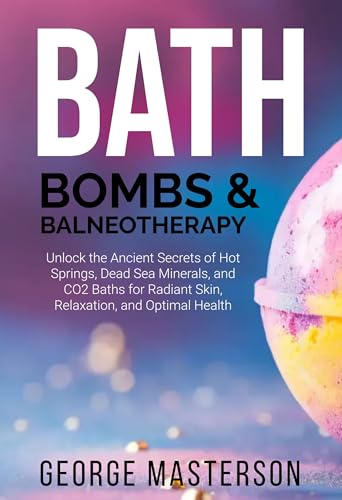
Balneotherapy and Bath bombs: Ancient secrets of hot springs, Dead Sea minerals, and carbon dioxide baths for disease and therapy, as well as the unexpected health benefits of bath bombs: T. Mullen, Edward
<strong>Balneotherapy and Bath bombs: Ancient secrets of hot springs, Dead Sea minerals, and carbon dioxide baths for disease and therapy, as well as the unexpected health benefits of bath bombs</stro
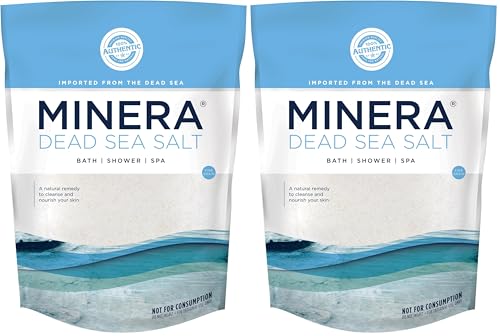
Minera Fine Grain Dead Sea Salt for Bath & Soaking – 2 lbs, Fast-Dissolving, 100% Pure & Natural, Unscented, Skin-Nourishing Sea Salt
Exfoliates, Nourishes Skin, Helps Restore pH ... Minera Fine Grain Dead Sea Salt for Bath & Foot Soaks – 5 lbs, <strong>Fast-Dissolving, 100% Pure and Natural, Unscented, Skin-Softening Sea Salt</
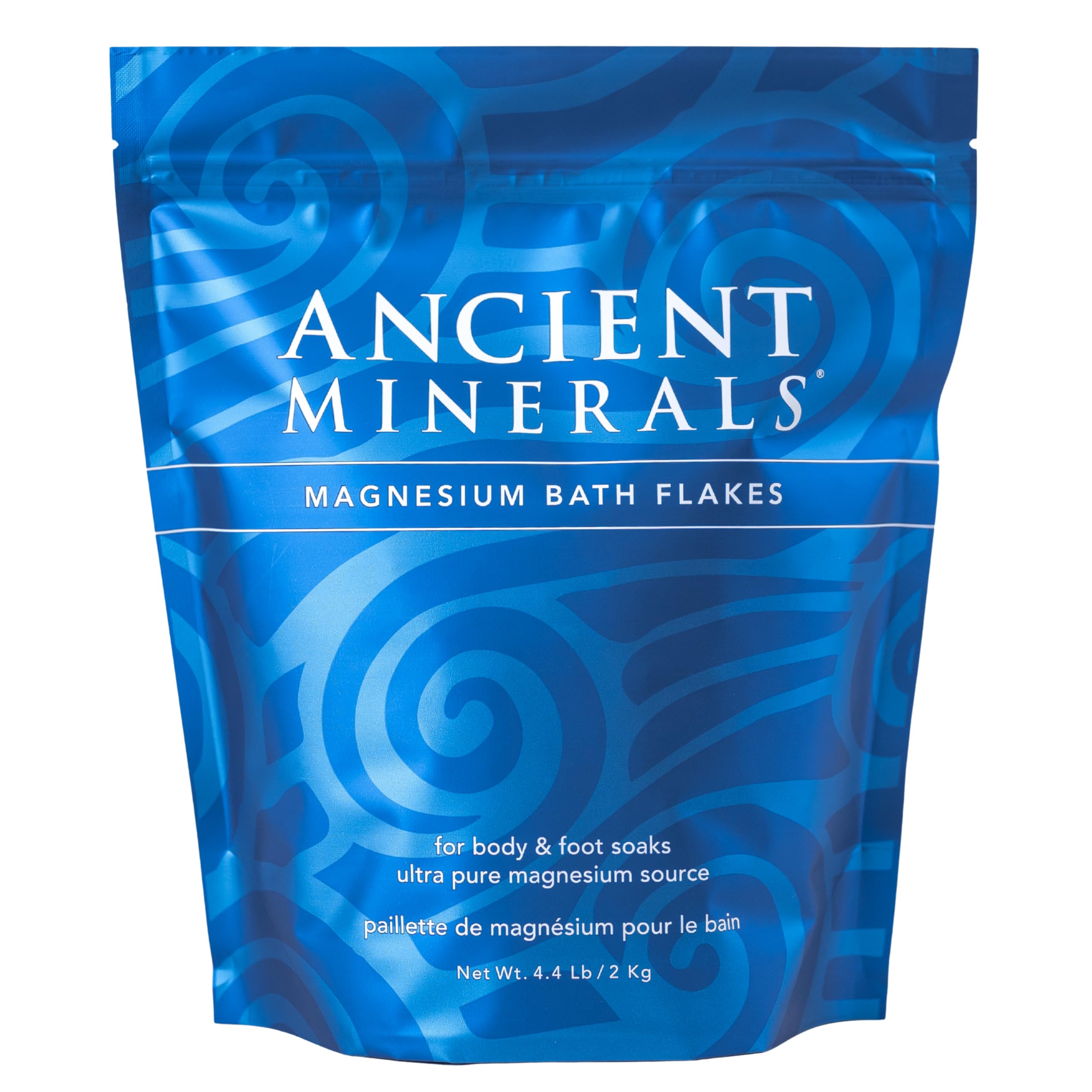
Ancient Minerals Magnesium Bath Flakes - Bathing Alternative to Epsom Salt - Soak in Natural Salts - High-Absorption Efficiency for Relaxation, Wellness & Muscle Relief (4 .4 lb)
Mindful Magnesium Soak for Daily Wind-Downs - <strong>A clean, water-soluble form of magnesium chloride designed to complement warm baths or foot soaks</strong>—no added fragrance or fillers. Purity f
Evidence & Sources
Promising research with growing clinical support from multiple studies
- Cochrane Database of Systematic Reviews
- Osteoarthritis and Cartilage
- International Journal of Biometeorology
- Clinical Rheumatology
- Seminars in Arthritis and Rheumatism
- Journal of the European Academy of Dermatology and Venereology
- National Center for Complementary and Integrative Health (NCCIH)
- World Health Organization (WHO)
This content is for informational purposes only and does not constitute medical advice. Always consult a qualified healthcare provider before starting, stopping, or changing any supplement or medication regimen.