

Art Therapy
Also known as: Expressive Art Therapy, Creative Arts Therapy
Overview
Art therapy is a therapeutic modality that uses visual art-making—such as drawing, painting, collage, sculpture, or mixed media—within a structured clinical or supportive setting to promote emotional expression, reflection, and psychological healing. Unlike art education or recreational crafting, art therapy is typically centered on the process of creating rather than artistic skill or aesthetic outcome. It is often used to help individuals explore feelings that may be difficult to express verbally, making it especially relevant in contexts such as trauma, anxiety, grief, depression, chronic illness, and developmental or cognitive challenges.
The field developed at the intersection of psychotherapy, psychiatry, and the arts, and is now used in hospitals, schools, mental health clinics, rehabilitation programs, palliative care settings, and community wellness programs. People may seek art therapy because it offers a nonverbal, embodied, and often less confrontational pathway into emotional processing. For some individuals—particularly children, trauma survivors, people with neurodivergence, or those facing serious illness—creative expression can provide a way to communicate internal experiences that feel inaccessible through conversation alone.
Research suggests that art therapy may support stress reduction, mood regulation, self-awareness, emotional resilience, and quality of life, though outcomes can vary depending on the population, therapeutic model, and setting. Studies have examined art therapy in areas including cancer care, post-traumatic stress, dementia care, eating disorders, and behavioral health. The evidence base is promising but mixed, in part because art therapy interventions are diverse and can be difficult to standardize in clinical trials.
From a broader health perspective, art therapy is often understood as both a mental health intervention and a whole-person healing practice. It may function as a standalone supportive modality or as part of an integrative care plan alongside psychotherapy, medical treatment, rehabilitation, or other mind-body approaches. As with many expressive therapies, its value is often described not only in symptom terms, but also in relation to meaning-making, connection, identity, and the restoration of agency during periods of distress.
Medical Perspectives
Two Ways of Seeing Health

Western
scientific · clinical
Western medicine applies science, technology, and clinical experience to treat symptoms through testing, diagnosis, and targeted intervention.

Eastern
traditional · alternative
Eastern medicine focuses on treating the body naturally by applying traditional knowledge practiced for thousands of years, emphasizing balance and whole-person wellness.
Gold Bamboo presents both perspectives side-by-side so you can make informed decisions. We don't advocate for one over the other — your health choices are yours.
Western Medicine Perspective
Western / Conventional Medicine Perspective
In conventional medicine, art therapy is generally viewed as an adjunctive mental health and supportive care intervention delivered by trained professionals, often art therapists with psychotherapy-informed clinical training. Western frameworks commonly interpret its effects through psychology, neuroscience, trauma theory, and behavioral medicine. From this perspective, the act of creating images may facilitate emotional externalization, cognitive processing, sensory integration, and stress modulation. Some clinicians also frame art therapy as helpful for improving communication, insight, coping skills, and therapeutic engagement.
Research in Western clinical settings has explored art therapy across a range of conditions. Studies indicate potential benefit for anxiety, depression, trauma-related symptoms, cancer-related distress, dementia-related behavioral symptoms, and pediatric coping during medical treatment. In trauma-informed care, art therapy is sometimes used because it may allow symbolic processing of overwhelming experiences without requiring immediate verbal disclosure. In oncology and palliative care, it has been studied for effects on distress, fatigue, mood, and quality of life. In children and adolescents, it is often used where developmental stage, attention, or emotional overwhelm may limit traditional talk therapy.
At the same time, conventional medicine recognizes important limitations in the evidence. Many studies are small, use heterogeneous methods, or combine art therapy with broader psychosocial interventions, making it difficult to isolate effects. Outcome measures also vary widely, from symptom scores to narrative experiences. As a result, art therapy is typically considered supportive and potentially beneficial, rather than a first-line standalone treatment for serious psychiatric or medical conditions. Healthcare providers generally view it as most appropriate when integrated with broader assessment and care, especially for individuals with complex trauma, severe mood symptoms, or active medical illness.
Eastern & Traditional Perspective
Eastern / Traditional Medicine Perspective
Traditional and integrative healing systems do not always use the modern term art therapy, but many have long recognized the healing role of creative expression, symbolism, ritual, color, and contemplative art-making. In these frameworks, emotional suffering is often understood not only as a psychological issue but also as an imbalance affecting the whole person—mind, body, spirit, relationships, and environment. Creative practice may therefore be seen as a way to restore inner harmony, emotional flow, and connection to meaning.
In Traditional Chinese Medicine (TCM), emotional states are understood as closely linked with the movement of qi and the functional systems of the body. While art therapy is not a classical TCM treatment in the way acupuncture or herbal medicine is, expressive practices may be interpreted as supporting the smooth flow of emotion and reducing internal stagnation associated with stress or constraint. Color, imagery, breath, intention, and meditative attention may also be incorporated into broader mind-body healing practices. In this context, the process of making art can be viewed as a form of regulation and self-observation rather than merely psychological catharsis.
In Ayurveda and related traditional systems, healing often emphasizes balancing mental and emotional qualities, cultivating sensory nourishment, and aligning daily life with deeper aspects of self. Creative practices, including drawing, painting, mandala work, and devotional or reflective image-making, may be traditionally understood as supporting sattva—clarity, calm, and harmony of mind. Naturopathic and holistic practitioners likewise may regard art-making as part of a broader therapeutic lifestyle approach that supports stress recovery, emotional expression, and resilience.
These traditional and integrative perspectives tend to place less emphasis on diagnosis-specific symptom reduction and more on self-discovery, emotional integration, and restoration of wholeness. While these views are meaningful in many healing traditions, they are often supported more by longstanding use and clinical experience than by large modern trials. For that reason, art therapy in eastern or traditional contexts is often best understood as a complementary practice within a broader individualized healing framework.
Supplements & Products
Recommended Products
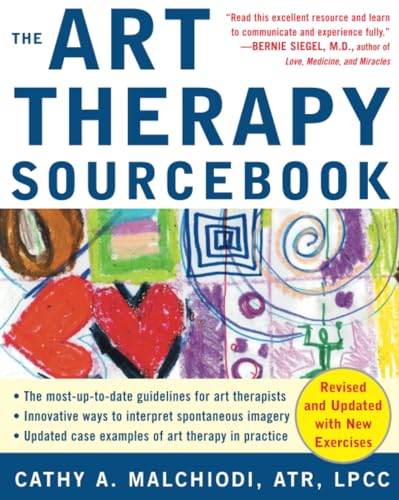
Art Therapy Sourcebook: MALCHIODI, Cathy
--Larry Dossey, M.D., author of ... and revised, <strong>this authoritative guide shows you how to use art therapy to guide yourself and others on a special path of personal growth, insight, and trans

Winsor & Newton Cotman Watercolor Paint Set, Sketchers' Pocket Set, 12 Half Pan w/ Brush : Toys & Games
This popular pocket-sized plastic ... pans: <strong>Lemon Yellow, Cadmium Yellow, Cadmium Red Pale Hue, Crimson Alizarin, Ultramarine, Intense Blue, Emerald Green, Sap Green, Yellow Ochre, Burnt Sienn
Canson XL Series Mixed Media Pad 9" x 12" : Arts, Crafts & Sewing
Fuxi 9" x 12" Sketch Book, Top Spiral Bound Sketch Pad, 100 Sheets 68lb/100gsm Acid-Free Drawing Paper, Art Sketchbook for Drawing Pad for Kids Artists & Beginners Professional Art Suppl
Evidence & Sources
Promising research with growing clinical support from multiple studies
- American Art Therapy Association
- National Center for Complementary and Integrative Health (NCCIH)
- World Health Organization: What is the evidence on the role of the arts in improving health and well-being? A scoping review
- The Arts in Psychotherapy
- Frontiers in Psychology
- Journal of the American Medical Association (JAMA)
- Psycho-Oncology
- Cochrane Library
This content is for informational purposes only and does not constitute medical advice. Always consult a qualified healthcare provider before starting, stopping, or changing any supplement or medication regimen.