

Aqua Therapy
Also known as: Aquatic Therapy, Pool Therapy, Water Exercise Therapy
Overview
Aqua therapy—also called aquatic therapy, hydrotherapy exercise, pool-based rehabilitation, or water-based physical therapy—is a movement-based modality that uses the physical properties of water to support exercise, rehabilitation, and symptom relief. Unlike spa hydrotherapy focused primarily on heat or relaxation, aqua therapy typically involves guided stretching, strengthening, balance work, gait training, or range-of-motion exercise performed in a therapeutic pool. Water’s buoyancy can reduce weight-bearing load on joints, while hydrostatic pressure, warmth, and resistance may help with circulation, comfort, muscle activation, and controlled movement.
This modality is commonly explored for osteoarthritis, low back pain, fibromyalgia, neurologic rehabilitation, injury recovery, post-surgical conditioning, balance limitations, and general deconditioning. It is particularly relevant for people who find land-based exercise difficult because of pain, stiffness, weakness, obesity, or fear of falling. Because water can both support the body and add gentle resistance, aqua therapy often serves as a bridge between rest and more conventional exercise or rehabilitation programs.
Research suggests aqua therapy may improve pain, physical function, walking ability, joint mobility, and quality of life in selected populations, especially for musculoskeletal conditions. Outcomes vary depending on the condition being addressed, water temperature, exercise intensity, program length, and whether sessions are supervised by rehabilitation professionals. It is generally viewed as a rehabilitative and supportive modality, rather than a stand-alone cure for chronic disease.
As with any therapy, suitability depends on the individual. Factors such as cardiovascular status, wound healing, infection risk, seizure disorders, continence issues, and pool access may affect whether aquatic therapy is appropriate. Clinical context matters, and evaluation by a qualified healthcare professional is often part of determining whether this modality fits into a broader care plan.
Medical Perspectives
Two Ways of Seeing Health

Western
scientific · clinical
Western medicine applies science, technology, and clinical experience to treat symptoms through testing, diagnosis, and targeted intervention.

Eastern
traditional · alternative
Eastern medicine focuses on treating the body naturally by applying traditional knowledge practiced for thousands of years, emphasizing balance and whole-person wellness.
Gold Bamboo presents both perspectives side-by-side so you can make informed decisions. We don't advocate for one over the other — your health choices are yours.
Western Medicine Perspective
Western Medicine Perspective
From a conventional rehabilitation standpoint, aqua therapy is understood through biomechanics, exercise physiology, and pain science. Buoyancy reduces the effective body weight transmitted through the hips, knees, ankles, and spine, which can make movement less painful and allow earlier mobilization than on land. Viscosity and drag create multidirectional resistance, offering a way to train strength and endurance with relatively low joint impact. Warm water may also help reduce muscle guarding and perceived stiffness, potentially improving tolerance for exercise.
In clinical practice, aquatic therapy is often delivered by physical therapists, physiatrists, or rehabilitation teams as part of a broader program. It may be used for arthritis, post-operative recovery, chronic low back pain, neurologic conditions, balance impairment, and sports injury rehabilitation. Studies indicate that for some musculoskeletal conditions, water-based exercise can produce improvements comparable to, or in some cases better tolerated than, certain land-based programs—particularly when pain limits participation on land. However, conventional medicine generally treats aqua therapy as adjunctive rehabilitation, with goals such as restoring movement, improving function, and helping patients transition to sustainable activity.
The evidence base is strongest for pain and function outcomes in osteoarthritis and some chronic pain conditions, while findings are more mixed for neurologic and post-surgical populations because study designs and protocols vary. Safety screening remains important. Contraindications or precautions may include unstable cardiac disease, uncontrolled seizures, open wounds, active infections, severe incontinence, certain respiratory limitations, and heat intolerance. In western settings, emphasis is placed on individualized assessment, measurable functional outcomes, and integration with evidence-based rehabilitation planning.
Eastern & Traditional Perspective
Eastern and Traditional Medicine Perspective
Traditional and integrative systems do not always define aqua therapy in the same way as modern rehabilitation medicine, but many recognize water as a medium that can support circulation, relaxation, recovery, and gentle movement. In Traditional Chinese Medicine (TCM), warm water movement may be interpreted as helping the body maintain smoother flow of qi and blood, particularly when stiffness, soreness, or limited mobility are viewed through patterns involving cold, dampness, or stagnation. Gentle immersion and movement are often seen as supportive for people whose pain worsens with rigidity or whose vitality is reduced by overexertion.
In Ayurvedic thought, warm water and rhythmic low-impact exercise may be viewed as calming for states associated with excess vata, where dryness, pain, instability, or reduced resilience are prominent themes. At the same time, the exact qualities of the water environment—warmth, stimulation, duration, and exertion—would traditionally be considered important in determining whether an activity is balancing or aggravating. Similar ideas appear in naturopathic and traditional European bathing traditions, where water has long been used in structured ways to promote recovery and vitality.
Integrative practitioners may frame aqua therapy as a modality that combines mind-body regulation, mobility support, and reduced mechanical stress, making it compatible with broader wellness approaches that include breathwork, posture awareness, tai chi-inspired movement principles, or restorative exercise. That said, traditional frameworks are generally interpretive rather than directly equivalent to modern clinical evidence. As a result, eastern perspectives tend to emphasize individualized constitution and symptom patterns, while contemporary integrative care often pairs these views with conventional rehabilitation assessment and safety screening.
Supplements & Products
Recommended Products
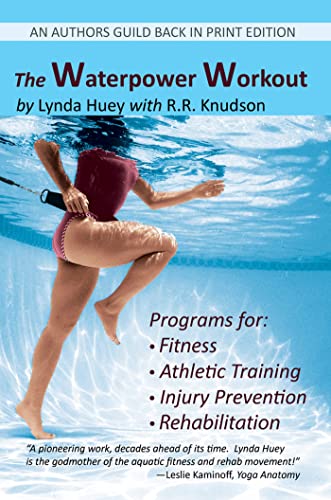
The Complete Waterpower Workout Book: Programs for Fitness, Injury Prevention, and Healing: Huey, Lynda, Forster, Robert
The Complete Waterpower Workout Book: Programs for Fitness, Injury Prevention, and Healing [Huey, Lynda, Forster, Robert] on Amazon.com. *FREE* shipping on qualifying offers. The Complete Waterpower W

AquaJogger - Classic Belt Purple - Builds Core Strength, Effortless Aquatic Workouts, Comfortable Design - Ideal for Deep Water Running, Physical Therapy Rehabilitation, and Cardio Exercise : Swim Belts
It <strong>provides exceptional comfort and suspends you at shoulder level in deep water allowing you to breathe normally and move freely while performing a wide variety of water exercises</strong>.
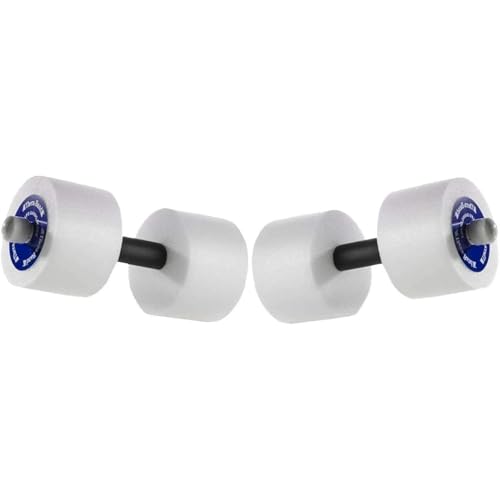
THERABAND Water Weights, Aquatic Dumbbells for Pool Fitness, 2 Foam Weights with Padded Grip for Water Aerobics, Therapy, Workouts, Pool Exercise Equipment, Aqua Training
THERABAND Hand Bars are <strong>a great tool for aquatic therapy and fitness</strong>. Increase range of motion in the upper and lower extremities, strengthen the lower back, abdominal muscles and obl
Evidence & Sources
Promising research with growing clinical support from multiple studies
- Cochrane Database of Systematic Reviews
- Arthritis Care & Research
- Physical Therapy
- Archives of Physical Medicine and Rehabilitation
- National Center for Complementary and Integrative Health (NCCIH)
- World Health Organization (WHO)
- Osteoarthritis and Cartilage
- Journal of Rehabilitation Medicine
This content is for informational purposes only and does not constitute medical advice. Always consult a qualified healthcare provider before starting, stopping, or changing any supplement or medication regimen.