

Acupressure
Also known as: Accupressure, Acu Pressure, Accupresure
Acupressure Overview
Acupressure is a manual therapy and self-care modality rooted in Traditional Chinese Medicine (TCM) that involves applying physical pressure to specific points on the body, often using the fingers, thumbs, palms, elbows, or specialized tools. It is closely related to acupuncture, but instead of needles, practitioners use non-invasive touch to stimulate designated points along pathways known in TCM as meridians. Across traditional systems, acupressure has been used to support comfort, relaxation, circulation, and overall functional balance.
In modern integrative health settings, acupressure is often discussed as a complementary therapy rather than a stand-alone medical treatment. It is commonly explored for symptoms such as pain, nausea, stress, sleep disturbance, and fatigue, especially in supportive care contexts. Interest in acupressure has grown because it is low-cost, generally accessible, and does not require equipment or medication. It is used in professional bodywork settings, hospital-based integrative medicine programs, and self-care education, although techniques and theoretical explanations vary widely across traditions and training models.
From a scientific perspective, acupressure is being studied for how mechanical stimulation of the skin, fascia, muscles, and peripheral nerves may influence the nervous system, circulation, stress physiology, and symptom perception. Research suggests that some benefits may relate to relaxation responses, changes in pain processing, placebo and contextual effects, or modulation of autonomic activity. At the same time, study quality is mixed, point protocols are not standardized across trials, and it can be difficult to separate the specific effects of acupoint stimulation from touch, massage, expectation, and therapeutic interaction.
Although acupressure is generally considered low risk when appropriately applied, it is not a substitute for diagnosis or treatment of serious medical conditions. The significance of acupressure in contemporary health care lies in its role as a bridge between traditional healing systems and modern integrative medicine, offering a non-pharmacologic approach that many people use alongside conventional care. As with other complementary modalities, interpretation depends heavily on whether it is viewed through biomedical, traditional energetic, or whole-person frameworks.
Medical Perspectives
Two Ways of Seeing Health

Western
scientific · clinical
Western medicine applies science, technology, and clinical experience to treat symptoms through testing, diagnosis, and targeted intervention.

Eastern
traditional · alternative
Eastern medicine focuses on treating the body naturally by applying traditional knowledge practiced for thousands of years, emphasizing balance and whole-person wellness.
Gold Bamboo presents both perspectives side-by-side so you can make informed decisions. We don't advocate for one over the other — your health choices are yours.
Western Medicine Perspective
Western / Conventional Medicine Perspective
In conventional medicine, acupressure is typically categorized as a form of complementary and integrative therapy or manual medicine technique. Rather than explaining its effects through meridians or qi, biomedical models explore mechanisms such as neuromodulation, gate-control effects in pain pathways, endorphin release, muscle relaxation, improved local blood flow, and autonomic nervous system regulation. Researchers have also examined whether acupressure may affect symptom clusters through stress reduction and improved perceived well-being. These models do not fully account for traditional theories, but they provide testable hypotheses for clinical research.
Clinical studies have most often evaluated acupressure for postoperative nausea and vomiting, cancer-related symptoms, labor discomfort, chronic pain, insomnia, anxiety, and chemotherapy-associated nausea. Evidence is strongest in some supportive symptom areas, particularly nausea, where stimulation of the P6/Neiguan point has been studied extensively. For pain, sleep, and emotional symptoms, findings are promising but inconsistent, with many systematic reviews noting methodological limitations such as small sample sizes, lack of blinding, heterogeneous protocols, and variable control groups. As a result, conventional medicine generally views acupressure as a potentially helpful adjunct, but not a definitive primary treatment.
Safety is generally favorable when acupressure is performed appropriately, with adverse effects usually limited to temporary soreness, tenderness, lightheadedness, or bruising in sensitive individuals. However, clinicians often emphasize that symptoms such as persistent pain, unexplained weight loss, neurological changes, chest pain, severe nausea, or other concerning signs warrant formal medical evaluation. In hospital and outpatient integrative settings, acupressure may be incorporated into broader supportive care plans, particularly when patients seek non-drug symptom management options in consultation with qualified healthcare professionals.
Eastern & Traditional Perspective
Eastern / Traditional Medicine Perspective
In Traditional Chinese Medicine, acupressure is understood as a method of influencing the flow of qi (vital energy) and blood through channels or meridians that connect the organs, tissues, and functional systems of the body. According to this framework, discomfort or illness may reflect patterns such as stagnation, deficiency, excess, heat, cold, or imbalance between organ systems rather than a single disease mechanism. Applying pressure to specific acupoints is traditionally used to restore harmony, disperse blockages, tonify deficient functions, and support the body's innate capacity to rebalance.
TCM practitioners generally do not select points based only on a symptom label. Instead, point combinations may reflect a broader pattern differentiation process that considers sleep, digestion, emotional state, menstrual history, pulse qualities, tongue appearance, and constitutional tendencies. For example, two people with headaches might receive different acupressure strategies if one presents with Liver yang rising and another with qi and blood deficiency. This individualized, pattern-based method is central to traditional practice and differs from many research studies that use fixed point protocols.
Related traditions beyond TCM also incorporate pressure-point work, though with different theoretical language. In Ayurveda, marma therapy involves stimulation of vital points believed to influence prana, tissues, and organ function. In some schools of naturopathy, Shiatsu, and East Asian bodywork, point stimulation is viewed through a whole-person lens involving energy flow, structural balance, stress patterns, and self-regulation. Across these traditions, acupressure is often framed less as a disease-specific intervention and more as a way to encourage systemic balance, resilience, and functional harmony. Traditional use is longstanding, but its concepts do not always map neatly onto biomedical categories, which is an important distinction in cross-cultural interpretation.
Supplements & Products
Recommended Products
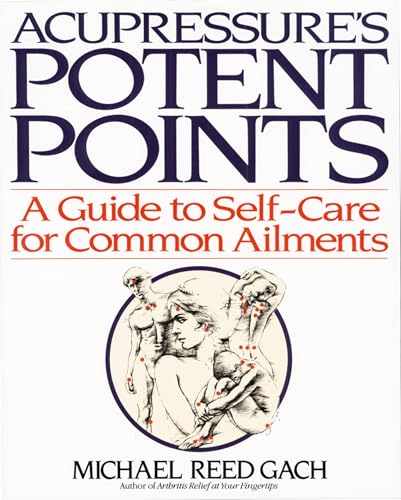
Acupressure's Potent Points: A Guide to Self-Care for Common Ailments: Michael Reed Gach
In Acupressure’s Potent Points, ... of America, <strong>reveals simple techniques that enable you to relieve headaches, arthritis, colds and flu, insomnia, backaches, hiccups, leg pain, hot flashes, d

ProsourceFit Acupressure Mat and Pillow Set for Back/ ...
Amazon.com: ProsourceFit Acupressure Pillow Relief Relaxation

Sea-Band Anti-Nausea Acupressure Wristband for Motion & Morning Sickness, 1 Pair, Gray
Completely natural, Sea-Band uses acupressure wristbands to gently restore balance to your body. No drugs. No side effects. Clinically tested. <strong>Suitable for most types of sickness and nausea</s
Evidence & Sources
Promising research with growing clinical support from multiple studies
- National Center for Complementary and Integrative Health (NCCIH)
- World Health Organization (WHO) Traditional Medicine resources
- Cochrane Database of Systematic Reviews
- Journal of Alternative and Complementary Medicine
- BMJ Open
- Pain Management Nursing
- Supportive Care in Cancer
- Journal of Clinical Oncology
This content is for informational purposes only and does not constitute medical advice. Always consult a qualified healthcare provider before starting, stopping, or changing any supplement or medication regimen.