

Vegetarian Diet
Also known as: Lacto-Ovo Vegetarian, Meat-Free Diet
Overview
A vegetarian diet is a dietary pattern that excludes meat, poultry, and fish, while often including plant foods such as legumes, grains, vegetables, fruits, nuts, and seeds. Some forms include animal-derived foods such as dairy and eggs; common subtypes include lacto-vegetarian, ovo-vegetarian, and lacto-ovo vegetarian patterns. People adopt vegetarian diets for many reasons, including health goals, cultural or religious traditions, ethical concerns about animals, and environmental sustainability.
From a public health perspective, vegetarian diets are significant because they are associated with dietary patterns that tend to be higher in fiber, phytochemicals, unsaturated fats, potassium, magnesium, and folate, and often lower in saturated fat than meat-centered diets. Large observational studies suggest that well-planned vegetarian eating patterns may be linked with lower risk of cardiovascular disease, hypertension, type 2 diabetes, and some markers of metabolic dysfunction. At the same time, nutritional quality varies widely: a vegetarian diet centered on whole foods differs substantially from one dominated by refined grains, ultra-processed foods, and added sugars.
A central theme in understanding vegetarian nutrition is that exclusion alone does not define adequacy. The health impact depends on overall food quality, dietary diversity, energy intake, and attention to nutrients that may be less abundant or less bioavailable in plant-forward diets. These commonly discussed nutrients include protein quality, vitamin B12, iron, zinc, iodine, calcium, vitamin D, and long-chain omega-3 fatty acids. Life stage also matters; children, adolescents, older adults, and pregnant or lactating individuals may have different nutritional considerations.
Vegetarian diets are also discussed in the context of sustainability and chronic disease prevention. Research from nutrition and environmental science suggests that plant-forward eating patterns may reduce greenhouse gas emissions, land use, and resource demands compared with many omnivorous patterns. However, health outcomes depend on dietary composition and individual context. As with any dietary approach, questions about suitability, nutrient status, and medical conditions are best reviewed with a qualified healthcare professional or registered dietitian.
Medical Perspectives
Two Ways of Seeing Health

Western
scientific · clinical
Western medicine applies science, technology, and clinical experience to treat symptoms through testing, diagnosis, and targeted intervention.

Eastern
traditional · alternative
Eastern medicine focuses on treating the body naturally by applying traditional knowledge practiced for thousands of years, emphasizing balance and whole-person wellness.
Gold Bamboo presents both perspectives side-by-side so you can make informed decisions. We don't advocate for one over the other — your health choices are yours.
Western Medicine Perspective
Western Medicine Perspective
In conventional nutrition and preventive medicine, a vegetarian diet is generally considered compatible with good health when appropriately planned. Major professional organizations have stated that vegetarian eating patterns can support health across the lifespan when nutritional needs are met. Western medicine evaluates vegetarian diets primarily through the lens of macronutrient adequacy, micronutrient sufficiency, chronic disease risk, body composition, and long-term health outcomes.
Research suggests that vegetarian dietary patterns are often associated with lower LDL cholesterol, lower blood pressure, improved insulin sensitivity, and lower body mass index compared with average omnivorous diets in many populations. These associations are thought to relate to higher intake of fiber and plant sterols, greater consumption of fruits, vegetables, legumes, and whole grains, and lower intake of saturated fat and processed meats. Studies also indicate potential benefits for cardiometabolic health when vegetarian diets emphasize minimally processed foods. However, western medicine also notes that not all vegetarian diets are equally health-promoting; highly processed vegetarian foods may not confer the same benefits.
Clinical attention often focuses on nutrients that may require deliberate planning. Vitamin B12 is a particular concern because it is not reliably supplied by unfortified plant foods. Iron intake may be adequate in some vegetarian diets, but plant-based non-heme iron is less readily absorbed than heme iron from animal foods. Zinc, iodine, calcium, vitamin D, omega-3 fatty acids, and total protein quality may also warrant assessment depending on food choices. In practice, clinicians may evaluate laboratory markers, symptoms, medication interactions, digestive health, and age-related needs when discussing vegetarian patterns.
Western medicine also recognizes that vegetarian diets can be useful in the broader management of chronic disease risk, but it generally avoids viewing any single diet as universally ideal. Individual factors such as renal disease, gastrointestinal disorders, anemia risk, eating disorder history, pregnancy, athletic demands, and food access can influence whether and how a vegetarian pattern is appropriate. For this reason, nutrition planning is typically framed as individualized and best discussed with healthcare providers familiar with the person’s medical history.
Eastern & Traditional Perspective
Eastern/Traditional Medicine Perspective
In Traditional Chinese Medicine (TCM) and other East Asian food traditions, diet is viewed not only in terms of nutrients but also in terms of energetics, balance, digestion, and constitution. A vegetarian diet may be seen as beneficial for some individuals because it often emphasizes foods considered light, cleansing, and supportive of internal balance, especially when meals are built around varied vegetables, legumes, grains, and seasonal produce. Traditional systems frequently place less emphasis on exclusion as a principle and more emphasis on whether a dietary pattern supports the person’s qi, blood, digestive strength, and overall harmony.
From a TCM perspective, the effects of vegetarian eating may differ according to constitution and food preparation. For example, a diet rich in raw, cold, or highly cooling foods may be viewed as less suitable for individuals with weaker digestive function, while warm, cooked plant foods, broths, porridges, beans, root vegetables, and spices may be considered more supportive. Some traditional practitioners may also discuss whether a highly restrictive vegetarian pattern contributes to relative deficiency in concepts such as blood nourishment or kidney essence, especially if energy, menstrual health, or vitality appear diminished. These frameworks are traditional and do not map directly onto biomedical diagnosis, but they shape how vegetarian diets are interpreted in clinical herbal and dietary practice.
In Ayurveda, vegetarian diets have long-standing cultural and spiritual significance and are often associated with sattvic eating patterns—foods thought to support clarity, steadiness, and balance. Ayurveda traditionally emphasizes the importance of agni (digestive fire), food compatibility, preparation methods, and constitution (dosha). A vegetarian diet may be regarded as balancing for some people, especially when meals are freshly prepared, spiced appropriately, and tailored to digestive capacity and season. At the same time, Ayurveda does not treat all vegetarian diets as inherently beneficial; overly dry, cold, irregular, or nutritionally limited eating patterns may be viewed as aggravating for certain constitutions.
In naturopathic and integrative traditions, vegetarian diets are often framed as part of a broader whole-food, plant-forward approach that may support cardiometabolic health and reduce inflammatory burden. These systems tend to emphasize food quality, digestion, nutrient density, and individualized assessment rather than strict ideology. Across traditional frameworks, a common theme is that the value of a vegetarian diet depends on context, constitution, preparation, and balance, and any major dietary pattern is best considered in collaboration with qualified practitioners when health concerns are present.
Supplements & Products
Recommended Products
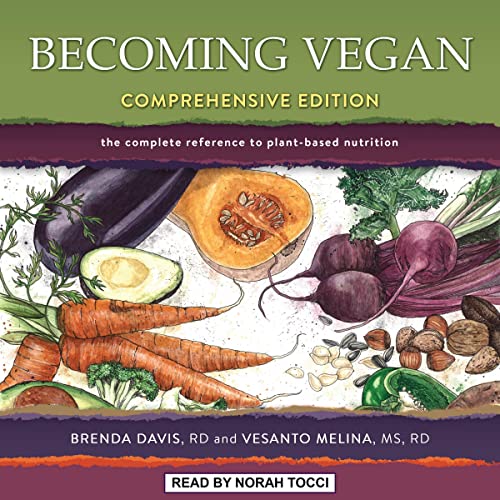
Becoming Vegan: The Complete Reference to Plant-Based Nutrition (Comprehensive Edition): Davis, Brenda, Melina, Vesanto
Internationally acclaimed dietitians Brenda Davis and Vesanto Melina specifically designed this fully referenced, comprehensive edition to meet the needs of health professionals, academic librarians,
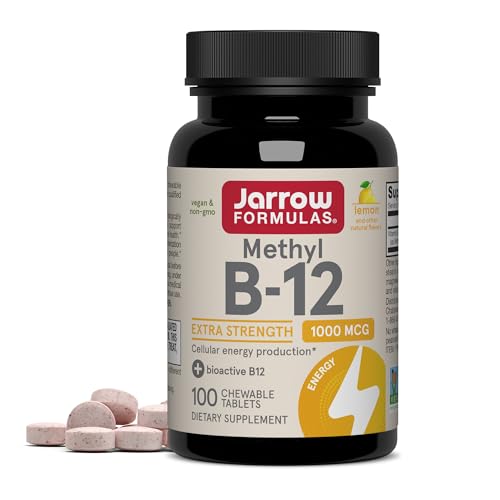
Jarrow Formulas Methyl Vitamin B-12 1000 mcg, 100 Chewable Tablets, Lemon Flavored- Bioactive B12 Vitamin - Supports Cellular Energy Production, Brain Health & Metabolism - 100 Servings
Jarrow Formulas® Methyl B-12 Tablets, 500 mg, <strong>Dietary Supplement for Cellular Energy Production and Brain Health Support</strong>, 100 Cherry Flavor Chewable Tablets, 100 Day Supply · NOW Supp
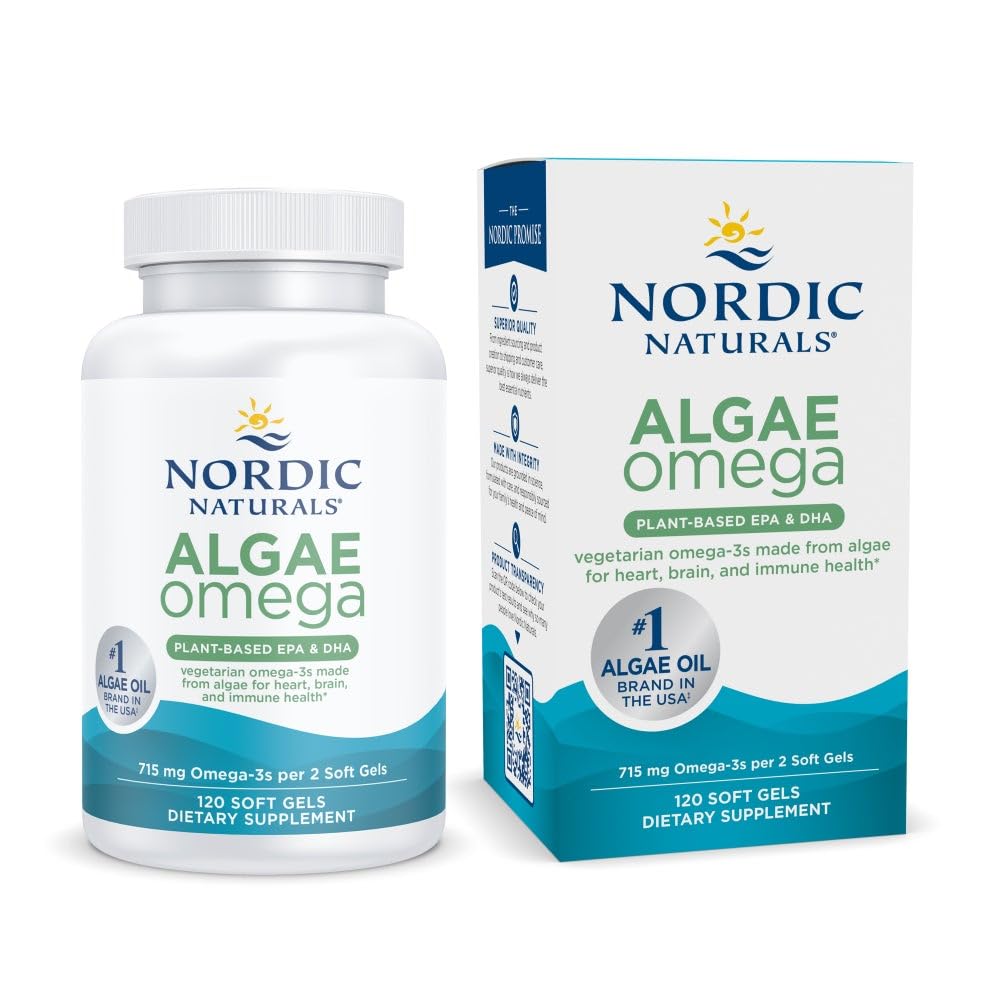
Nordic Naturals Algae Omega - 120 Soft Gels - 715 mg Omega-3 - Certified Vegan Algae Oil - Plant-Based EPA & DHA - Heart, Eye, Immune & Brain Health - Non-GMO - 60 Servings
Nordic Naturals Plant Based Ultimate Omega, Lemon Flavor - 60 Vegetarian Soft Gels - 1210 mg Omega-3 - Vegan EPA and DHA - Supplement Made from Algae - Brain & Heart Support - Non-GMO - 30 Serving
Evidence & Sources
Supported by multiple clinical trials and systematic reviews
- Academy of Nutrition and Dietetics
- American Heart Association
- National Institutes of Health Office of Dietary Supplements
- NCCIH (National Center for Complementary and Integrative Health)
- The American Journal of Clinical Nutrition
- Nutrients
- British Medical Journal (BMJ)
- World Health Organization
This content is for informational purposes only and does not constitute medical advice. Always consult a qualified healthcare provider before starting, stopping, or changing any supplement or medication regimen.