

Vegan Diet
Also known as: Plant-Based Diet, Strict Vegetarian
Overview
A vegan diet is a dietary pattern that excludes all animal-derived foods, including meat, poultry, fish, dairy, eggs, and often ingredients such as gelatin or certain animal-based additives. It is typically built around vegetables, fruits, legumes, whole grains, nuts, seeds, and plant-derived oils. People adopt vegan diets for a range of reasons, most commonly health goals, ethical concerns about animal welfare, cultural or spiritual values, and environmental sustainability. In public health and nutrition research, vegan eating patterns are often studied as part of the broader category of plant-based diets.
From a nutrition perspective, a vegan diet can provide substantial amounts of fiber, potassium, folate, magnesium, antioxidants, and phytochemicals, while often being lower in saturated fat than omnivorous diets. Large observational studies have associated well-planned plant-based diets with favorable markers of cardiovascular health, body weight, blood pressure, and glycemic control. At the same time, the quality of a vegan diet matters greatly: a pattern centered on minimally processed plant foods differs significantly from one dominated by refined grains, added sugars, and ultra-processed meat substitutes.
A major point of discussion in both clinical and public health settings is nutritional adequacy. Research and position statements from nutrition organizations indicate that appropriately planned vegan diets can support health across the lifespan, but they require attention to certain nutrients that are less abundant or less bioavailable in plant-only eating patterns. These commonly include vitamin B12, vitamin D, iron, zinc, iodine, calcium, omega-3 fatty acids, and in some cases protein quality and total energy intake. For this reason, the vegan diet is often described not simply as an exclusion pattern, but as a dietary framework that benefits from informed planning and, in some cases, fortified foods or supplementation under professional guidance.
Vegan diets are also significant beyond individual health. Environmental analyses frequently suggest that plant-forward dietary patterns may reduce greenhouse gas emissions, land use, and water use relative to many animal-heavy diets, though outcomes depend on food sourcing, processing, and agricultural practices. As interest in vegan eating continues to expand globally, the topic increasingly intersects with preventive medicine, sustainability science, food systems policy, and traditional approaches to food as medicine.
Medical Perspectives
Two Ways of Seeing Health

Western
scientific · clinical
Western medicine applies science, technology, and clinical experience to treat symptoms through testing, diagnosis, and targeted intervention.

Eastern
traditional · alternative
Eastern medicine focuses on treating the body naturally by applying traditional knowledge practiced for thousands of years, emphasizing balance and whole-person wellness.
Gold Bamboo presents both perspectives side-by-side so you can make informed decisions. We don't advocate for one over the other — your health choices are yours.
Western Medicine Perspective
Western Medicine Perspective
In conventional medicine, the vegan diet is evaluated primarily through the lenses of nutritional adequacy, chronic disease risk, and long-term health outcomes. Major nutrition and medical organizations generally recognize that well-planned vegan diets can be healthful, and studies suggest they may be associated with lower rates of ischemic heart disease, hypertension, type 2 diabetes, and obesity in some populations. Clinical interest has also focused on the role of plant-based diets in cardiometabolic risk reduction, with research indicating potential benefits for LDL cholesterol, blood pressure, insulin sensitivity, and inflammatory markers.
At the same time, western medicine emphasizes that vegan diets are not automatically health-promoting. A highly processed vegan diet may still be high in sodium, refined carbohydrates, added sugars, and low-quality fats. Conventional assessment therefore tends to focus on dietary pattern quality rather than diet label alone. Nutrients of special concern include vitamin B12, which is not reliably available from unfortified plant foods, along with iron, zinc, calcium, iodine, vitamin D, selenium, and long-chain omega-3 fatty acids. In pregnancy, childhood, older adulthood, and in people with gastrointestinal disease or restricted food variety, careful nutritional monitoring is often considered especially important.
Clinical research also distinguishes between association and causation. Many favorable findings on vegan diets come from observational cohorts, where lifestyle factors such as exercise, lower smoking rates, and lower alcohol intake may contribute to outcomes. However, intervention studies of whole-food plant-based diets have also reported improvements in certain cardiometabolic parameters. Conventional medicine therefore tends to view vegan diets as a potentially beneficial dietary pattern when they are adequately planned, nutritionally sufficient, and individualized within broader medical context. Consultation with a qualified healthcare professional or registered dietitian is commonly noted as helpful when major dietary changes are being considered.
Eastern & Traditional Perspective
Eastern / Traditional Medicine Perspective
Traditional systems such as Traditional Chinese Medicine (TCM), Ayurveda, and certain naturopathic and spiritual food traditions often approach vegan eating less as a fixed nutrient profile and more as an expression of balance, constitution, digestion, season, and ethics. In many eastern traditions, plant-centered eating has longstanding cultural and philosophical roots, especially in practices linked to ahimsa (non-harm), mindfulness, and sattvic or spiritually clarifying foods. These systems may value diets rich in grains, legumes, vegetables, herbs, and seasonal produce, not only for physical nourishment but also for their perceived effects on energy, mental clarity, and harmony with nature.
In TCM, foods are often understood by their energetic qualities, such as warming, cooling, moistening, drying, or moving. A vegan diet may be viewed as beneficial when it includes a varied range of cooked vegetables, legumes, grains, mushrooms, sea vegetables, and warming spices, especially if tailored to an individual's pattern. Some TCM practitioners note that a very raw, cold, or sparse plant-based diet may, in traditional terms, be seen as potentially weakening to Spleen Qi or digestive fire in certain constitutions. From this perspective, the question is not simply whether a diet is vegan, but whether it supports digestive resilience, blood nourishment, and energetic balance.
In Ayurveda, food is matched to a person's dosha tendencies, digestive strength (agni), season, and stage of life. Plant-based eating may align well with principles of lightness, clarity, and non-violence, but traditional Ayurvedic interpretation also emphasizes digestibility and nourishment. Legumes, grains, oils, spices, and preparation methods such as soaking, cooking, and combining foods appropriately may be considered important for making a vegan pattern more balanced. Some practitioners may express concern, in traditional language, that an excessively dry, cold, or restrictive vegan pattern could aggravate certain constitutions, while a thoughtfully prepared plant-based diet may be regarded as supportive.
Naturopathic and integrative traditions often bridge eastern and western views by emphasizing whole foods, digestive health, inflammation, elimination, and individualized constitution. Across these systems, vegan diets are often respected when they are diverse, seasonal, and well prepared, while also being evaluated for signs of depletion or imbalance. These perspectives are traditional frameworks rather than direct equivalents of biomedical evidence, and they are generally best interpreted alongside qualified medical and nutritional assessment.
Supplements & Products
Recommended Products
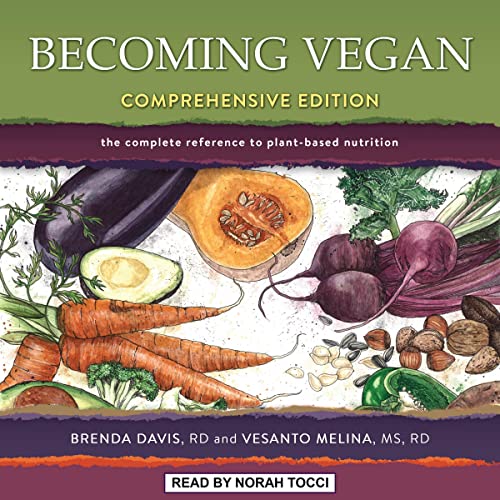
Becoming Vegan: The Complete Reference to Plant-Based Nutrition (Comprehensive Edition): Davis, Brenda, Melina, Vesanto
Internationally acclaimed dietitians Brenda Davis and Vesanto Melina specifically designed this fully referenced, comprehensive edition to meet the needs of health professionals, academic librarians,

Garden of Life Organics B12 Vitamin - Whole Food B-12 for Metabolism and Energy, Raspberry, 2oz Liquid
The biggest innovation in vitamins ... Our delicious Raspberry flavored spray is <strong>Third-Party tested and Certified USDA Organic, Non-GMO Project Verified, Vegan, Gluten Free and Kosher</strong>
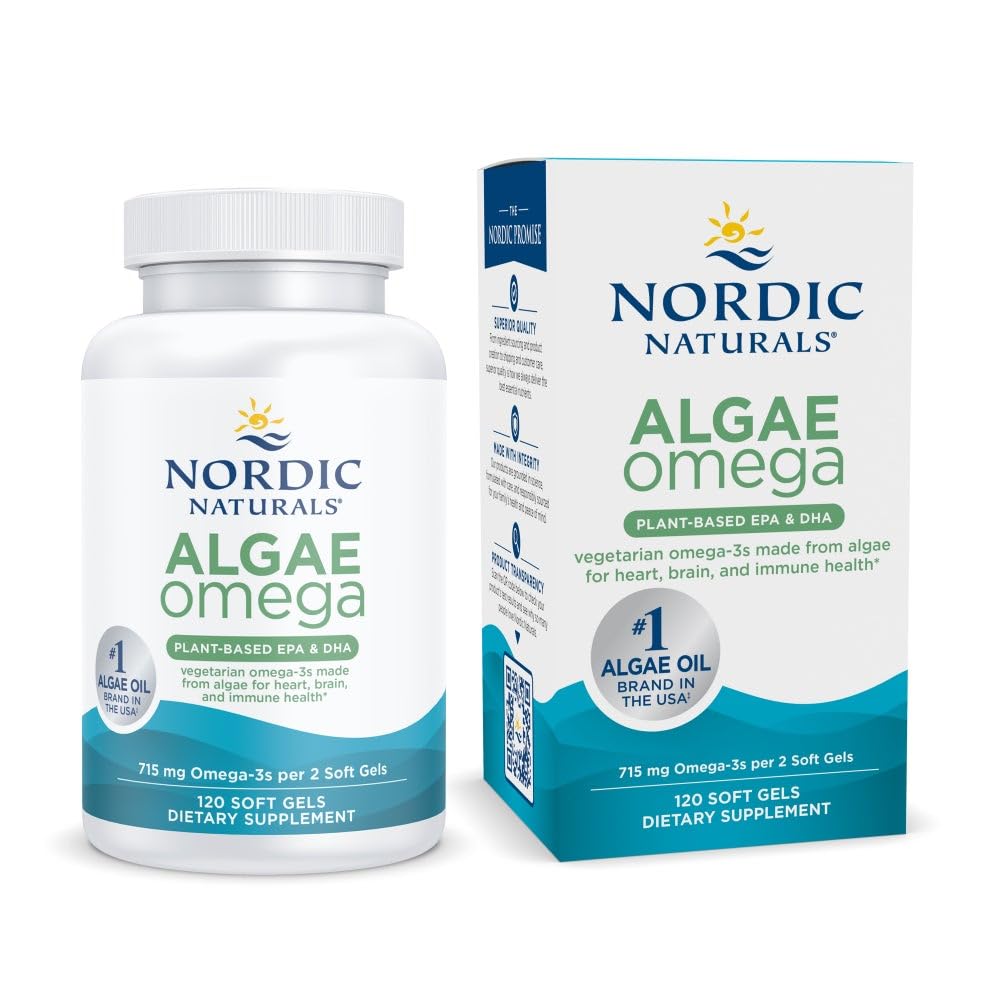
Nordic Naturals Algae Omega - 120 Soft Gels - 715 mg Omega-3 - Certified Vegan Algae Oil - Plant-Based EPA & DHA - Heart, Eye, Immune & Brain Health - Non-GMO - 60 Servings
Nordic Naturals Plant Based Ultimate Omega, Lemon Flavor - 60 Vegetarian Soft Gels - 1210 mg Omega-3 - Vegan EPA and DHA - Supplement Made from Algae - Brain & Heart Support - Non-GMO - 30 Serving
Evidence & Sources
Promising research with growing clinical support from multiple studies
- Academy of Nutrition and Dietetics
- American Heart Association
- National Institutes of Health Office of Dietary Supplements
- World Health Organization
- NCCIH (National Center for Complementary and Integrative Health)
- The Lancet
- JAMA Network
- The American Journal of Clinical Nutrition
- Nutrients
- BMJ
This content is for informational purposes only and does not constitute medical advice. Always consult a qualified healthcare provider before starting, stopping, or changing any supplement or medication regimen.