

Traditional Japanese Diet
Also known as: Washoku, Japanese Eating Plan
Overview
The traditional Japanese diet refers to a long-established eating pattern centered on rice, vegetables, soy foods, seafood, seaweeds, mushrooms, green tea, and modest portions of animal foods, with a strong emphasis on seasonality, variety, and simplicity. It is often associated with the concept of washoku, the traditional food culture of Japan, which values balance in taste, appearance, and preparation. Meals are commonly built around staple grains, several small side dishes, soup, and minimally processed ingredients rather than large single-plate portions.
This dietary pattern has attracted broad interest because Japan has historically had high life expectancy and relatively low rates of some chronic diseases compared with many industrialized nations. Research has linked Japanese-style dietary patterns with favorable outcomes in cardiovascular health, metabolic health, and healthy aging, though these associations are shaped by many factors beyond food alone, including physical activity, social structure, healthcare access, and overall lifestyle. Regional variation also matters; for example, Okinawan eating traditions are often discussed separately because of their distinctive plant-forward profile and historical links to longevity.
Nutritionally, the traditional Japanese diet is often characterized by high intake of fiber, marine-derived nutrients, phytonutrients, and fermented foods, alongside relatively low intake of saturated fat when compared with more Westernized patterns. Common foods include tofu, miso, natto, fish, shellfish, daikon, leafy greens, sweet potatoes, sesame, and pickled vegetables. At the same time, some versions of the diet may contain high sodium due to soy sauce, miso, pickles, and salted fish products, which is an important point in modern health discussions.
In public health and nutrition research, the traditional Japanese diet is generally viewed as a whole dietary pattern rather than a single “superfood” approach. Its potential significance lies in the combination of portion moderation, dietary diversity, culinary tradition, and routine intake of minimally processed foods. As with any traditional eating pattern, health effects depend on the specific foods consumed, preparation methods, age, medical context, and how closely a person’s actual intake resembles the historical pattern rather than a modernized version.
Medical Perspectives
Two Ways of Seeing Health

Western
scientific · clinical
Western medicine applies science, technology, and clinical experience to treat symptoms through testing, diagnosis, and targeted intervention.

Eastern
traditional · alternative
Eastern medicine focuses on treating the body naturally by applying traditional knowledge practiced for thousands of years, emphasizing balance and whole-person wellness.
Gold Bamboo presents both perspectives side-by-side so you can make informed decisions. We don't advocate for one over the other — your health choices are yours.
Western Medicine Perspective
Western Medicine Perspective
From a conventional nutrition and preventive medicine perspective, the traditional Japanese diet is often studied as a cardiometabolic dietary pattern. Observational studies and cohort research suggest that stronger adherence to Japanese dietary patterns is associated with lower all-cause mortality, and in some studies, lower risk of cardiovascular disease and functional decline. Potential mechanisms include higher intake of omega-3 fatty acids from fish, soluble and insoluble fiber from vegetables and legumes, soy protein, polyphenols from tea, and lower overall energy density. Fermented foods may also influence the gut microbiome, though this area is still evolving.
Western researchers also note that the diet’s structure may support portion control and glycemic balance, particularly when meals include rice paired with vegetables, fish, soup, and soy-based side dishes rather than highly refined, energy-dense processed foods. Studies of dietary indices based on traditional Japanese eating patterns have found associations with better nutrient adequacy and healthier aging markers. However, these findings are largely observational, meaning they can identify correlations but not fully separate diet from broader lifestyle or cultural influences.
Important limitations are also recognized. Some traditional Japanese foods are salt-rich, and sodium intake remains a concern in hypertension and stroke prevention research. In addition, white rice is a central staple, and its metabolic impact can vary depending on portion size, meal composition, and overall dietary context. Modern Japanese diets have also become more Westernized in some settings, making it difficult to define a single uniform pattern. Conventional medicine therefore tends to view the traditional Japanese diet as a potentially beneficial dietary model, while emphasizing that health outcomes depend on the balance between beneficial whole foods and factors such as sodium intake, total dietary quality, and individual risk profiles.
Eastern & Traditional Perspective
Eastern / Traditional Medicine Perspective
In traditional Japanese food culture, diet is not understood only through nutrients but through harmony, digestibility, seasonality, and the relationship between food and daily life. The broader philosophy behind washoku places value on meals that are balanced in color, flavor, cooking method, and texture. Food is traditionally selected in part according to the season, with the view that eating in rhythm with the environment supports resilience and overall well-being. This perspective overlaps with East Asian medical traditions that regard digestion, circulation, and internal balance as foundational to health.
Within Traditional Chinese Medicine (TCM)-influenced frameworks, many foods common in the Japanese diet are interpreted according to their energetic qualities. For example, warming soups, cooked rice, miso, and lightly prepared vegetables may be viewed as supportive of digestive function, while sea vegetables and certain soybean foods are traditionally considered nourishing in different ways depending on constitution and context. Rather than focusing on calories or macronutrients alone, TCM-style interpretation examines whether a pattern is overly cold, drying, damp-forming, or deficient in relation to the individual.
From an Ayurvedic and naturopathic perspective, the traditional Japanese diet is often seen as notable for its simplicity, regularity, emphasis on minimally processed foods, and inclusion of fermented foods and plant diversity. These features are often discussed in relation to digestive health and overall balance. At the same time, traditional systems do not necessarily regard every element as universally ideal; for example, cold raw foods, excess salt, or constitutionally mismatched foods may be viewed as less favorable for some individuals. In these frameworks, the value of the diet lies less in rigid rules and more in its traditional principles: moderation, attentiveness, preparation quality, and alignment with the individual and the season.
As with many traditional dietary systems, eastern interpretations rely heavily on historical use and pattern-based reasoning rather than modern randomized clinical evidence. These perspectives can offer cultural and holistic context, but they are generally considered complementary to individualized evaluation by qualified healthcare professionals, especially when chronic medical conditions or dietary restrictions are present.
Supplements & Products
Recommended Products
![Washoku: Recipes from the Japanese Home Kitchen [A Cookbook]: Elizabeth Andoh](https://images-na.ssl-images-amazon.com/images/P/1580085199.01._SCLZZZZZZZ_.jpg)
Washoku: Recipes from the Japanese Home Kitchen [A Cookbook]: Elizabeth Andoh
--Schuyler Ingle · * <strong>A full-color cookbook featuring more than 140 recipes for the classics of the Japanese home kitchen</strong>, written by the leading English-language authority on the cuis

Zojirushi NP-HCC10XH Induction Heating System Rice Cooker and Warmer, 5.5-Cup, Stainless Dark Gray
<strong>Zojirushi NW-QAC10 5.5-Cup Capacity Flat-Top Induction Cooker and Warmer with Custom Cooking Pan, Double Non-Stick Coating for Easy Clean-Up (Black)</strong>
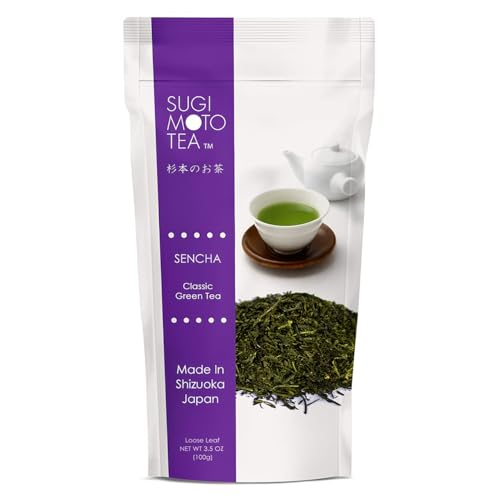
SUGIMOTO TEA Japanese Green Tea Sencha Fukamushi Loose Leaf 3.5 oz (100 g)
Sencha Green Tea – Organic Japanese Green Tea Loose Leaf, 80g Organic Loose Leaf by HAJIME ... Sugimoto Tea Company, founded in 1946, <strong>crafts high-quality Japanese green tea with three generati
Evidence & Sources
Promising research with growing clinical support from multiple studies
- UNESCO – Washoku, traditional dietary cultures of the Japanese
- BMJ
- The Japan Public Health Center-based Prospective Study
- Journal of Nutrition
- Nutrients
- Circulation Journal
- World Health Organization (WHO)
- National Institutes of Health (NIH)
- National Center for Complementary and Integrative Health (NCCIH)
- The Lancet
This content is for informational purposes only and does not constitute medical advice. Always consult a qualified healthcare provider before starting, stopping, or changing any supplement or medication regimen.