

Time-Restricted Eating
Also known as: TRF, Restricted Feeding
Overview
Time-restricted eating (TRE) is a dietary pattern that limits food intake to a consistent daily window—often 8 to 12 hours—while extending the overnight fasting period. Unlike many diet approaches, TRE focuses primarily on when food is eaten rather than strictly prescribing what or how much to eat. It is often discussed alongside intermittent fasting, but TRE is more specifically tied to daily meal timing and its potential effects on circadian biology, metabolism, and energy regulation.
Interest in TRE has grown as research has clarified the role of the body’s internal clock in regulating blood sugar control, hormone signaling, digestion, sleep-wake cycles, and cellular repair processes. Modern eating patterns—characterized by late-night meals, prolonged grazing, and irregular schedules—may disrupt these rhythms. Studies suggest that consolidating food intake earlier and within a shorter daytime window may help align eating behavior with natural metabolic patterns, potentially influencing weight, insulin sensitivity, blood pressure, and lipid metabolism.
TRE has been studied in a range of populations, including adults with overweight or obesity, metabolic syndrome, prediabetes, and type 2 diabetes, as well as healthy adults interested in cardiometabolic wellness. Findings are promising but mixed. Some trials report modest improvements in body weight, fasting glucose, insulin resistance, blood pressure, and inflammatory markers, while others find that benefits may depend on factors such as total calorie intake, meal timing, sleep, chronotype, and whether the eating window occurs earlier or later in the day. In many studies, TRE appears to be relatively feasible for some individuals, though adherence can be affected by work schedules, family routines, athletic demands, and social eating patterns.
From a broader health perspective, TRE is best understood as a meal-timing strategy rather than a universal solution. Conventional medicine evaluates it through metabolic, endocrine, and behavioral research, while traditional systems often interpret it through concepts of digestive rhythm, rest, and alignment with daily cycles. Because fasting may not be appropriate for everyone—including some people who are pregnant, underweight, living with eating disorders, using glucose-lowering medications, or managing complex medical conditions—clinical context remains important, and individualized guidance from qualified healthcare professionals is often emphasized.
Medical Perspectives
Two Ways of Seeing Health

Western
scientific · clinical
Western medicine applies science, technology, and clinical experience to treat symptoms through testing, diagnosis, and targeted intervention.

Eastern
traditional · alternative
Eastern medicine focuses on treating the body naturally by applying traditional knowledge practiced for thousands of years, emphasizing balance and whole-person wellness.
Gold Bamboo presents both perspectives side-by-side so you can make informed decisions. We don't advocate for one over the other — your health choices are yours.
Western Medicine Perspective
Western Medicine Perspective
In conventional medicine, time-restricted eating is viewed through the lens of metabolic physiology and circadian medicine. Research suggests that food intake interacts with peripheral clocks in organs such as the liver, pancreas, gut, skeletal muscle, and adipose tissue. When eating occurs across a long span of the day—especially late at night—it may contribute to circadian misalignment, which has been associated with impaired glucose tolerance, altered insulin secretion, dyslipidemia, and weight gain. TRE is therefore being studied as a way to improve synchronization between feeding patterns and metabolic function.
Clinical trials have explored several forms of TRE, including early time-restricted eating (where most calories are consumed earlier in the day) and more general daytime-restricted windows. Evidence indicates that TRE may lead to modest weight loss in some participants, sometimes even without intentional calorie counting, possibly because shorter eating windows reduce overall intake. Some studies also report improvements in insulin sensitivity, blood pressure, oxidative stress, and appetite regulation. However, results are not uniform. Reviews and randomized trials suggest that benefits are often modest, and in some cases TRE performs similarly to other structured eating approaches once calorie intake and weight loss are accounted for.
Conventional medicine also considers safety, suitability, and implementation challenges. Researchers note that fasting windows can affect people differently depending on medication use, diabetes status, age, sleep quality, shift work, sex hormones, and physical activity demands. There is ongoing debate about whether early-day eating windows are metabolically superior to later ones, and whether long-term adherence is realistic outside controlled research settings. For these reasons, western medicine generally treats TRE as a potentially useful but still evolving dietary pattern, best considered within the broader context of nutrition quality, energy balance, and chronic disease risk management.
Eastern & Traditional Perspective
Eastern/Traditional Medicine Perspective
Traditional systems do not typically use the modern term time-restricted eating, but many have long emphasized the importance of regular meal timing, digestive rest, and alignment with natural daily rhythms. In Traditional Chinese Medicine (TCM), digestion is often discussed in terms of the functional strength of the Spleen and Stomach systems, which are thought to transform food into usable energy. Irregular eating, overeating, late-night meals, and continual snacking have traditionally been viewed as factors that may weaken digestion, contribute to dampness or phlegm accumulation, and disrupt the body’s internal balance. From this perspective, spacing meals and allowing the digestive system periods of rest may support more efficient transformation and transport.
In Ayurveda, food timing is closely tied to agni, or digestive fire. Traditional teachings often place emphasis on eating at regular times, allowing previous meals to digest before eating again, and favoring stronger digestion during daylight hours—especially around midday, when digestive capacity is considered strongest. Late-night eating is commonly described as more burdensome to metabolism and restorative processes. While Ayurveda does not frame this in the language of insulin signaling or circadian genes, the traditional logic parallels modern interest in synchronizing meals with daily biological rhythms.
Naturopathic and integrative traditions often interpret TRE as part of a larger effort to support metabolic resilience, digestive function, inflammatory balance, and sleep regulation. These systems may also place greater emphasis on constitutional differences, stress burden, and the quality of food consumed during the eating window. At the same time, traditional practitioners generally recognize that fasting practices are not universally appropriate. Individuals with depleted energy, high stress, frailty, pregnancy, or certain chronic illnesses have often been viewed as needing a more tailored approach. Across systems, the broad theme is not extreme restriction but rhythm, moderation, and alignment with the body’s cycles.
Supplements & Products
Recommended Products
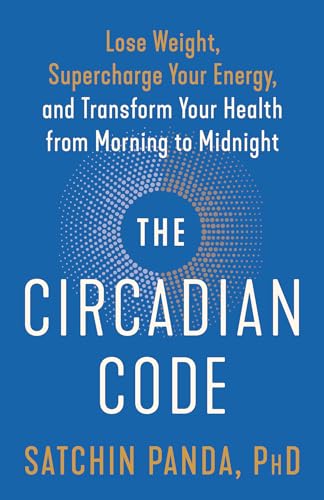
The Circadian Code: Lose Weight, Supercharge Your Energy, and Transform Your Health from Morning to Midnight: Longevity Book: Panda PhD, Satchin
The Circadian Code: <strong>Lose Weight, Supercharge Your Energy, and Transform Your Health from Morning to Midnight</strong>: Longevity Book [Panda PhD, Satchin] on Amazon.com. *FREE* shipping on qua
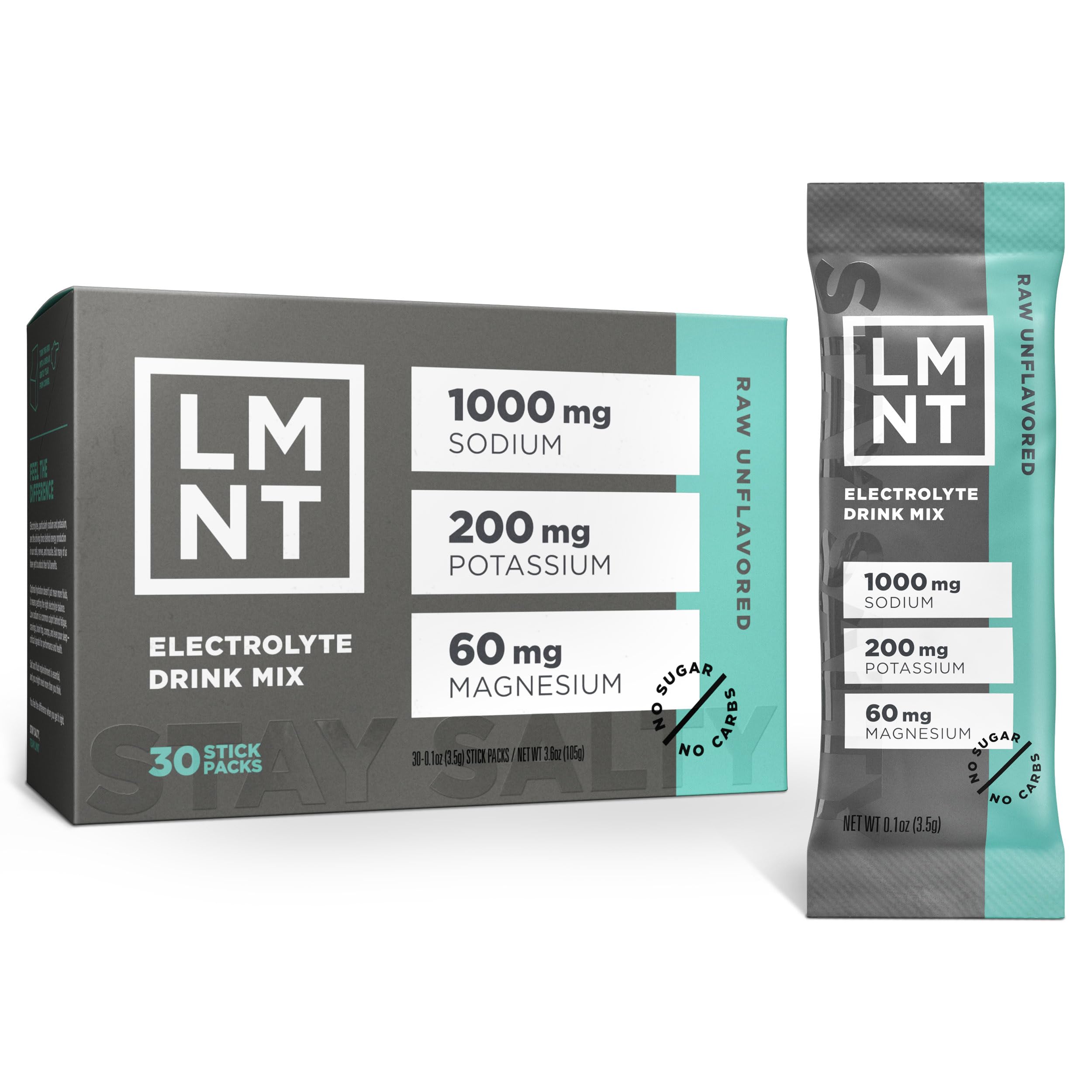
LMNT Zero Sugar Electrolytes - Raw Unflavored Salt | Drink Mix | 30-Count
Amazon.com: LMNT Zero Sugar Electrolytes - Raw Unflavored Salt | Drink Mix | 30-Count : Health & Household

CONTOUR NEXT ONE Blood Glucose Monitoring System All-in-One Kit for Diabetes
KIT INCLUDES: The CONTOUR NEXT ONE blood glucose meter, <strong>20 contour next test strips</strong>, user guide and quick reference guide, microlet lancing device, 10 microlet colored lancets, logboo
Evidence & Sources
Promising research with growing clinical support from multiple studies
- New England Journal of Medicine
- JAMA Internal Medicine
- Cell Metabolism
- The Lancet Diabetes & Endocrinology
- National Center for Complementary and Integrative Health (NCCIH)
- National Institute of Diabetes and Digestive and Kidney Diseases (NIDDK)
- American Heart Association
- Nutrition Reviews
This content is for informational purposes only and does not constitute medical advice. Always consult a qualified healthcare provider before starting, stopping, or changing any supplement or medication regimen.