

SIBO Diet
Also known as: SIBO eating plan, Small intestinal bacterial overgrowth diet, SIBO protocol diet
Overview
A SIBO diet refers to dietary strategies commonly used to reduce symptoms associated with small intestinal bacterial overgrowth (SIBO), a condition in which excessive or misplaced bacteria in the small intestine may contribute to bloating, abdominal distension, gas, altered bowel habits, abdominal discomfort, and food intolerance symptoms. In public discussion, the term often overlaps with related approaches such as the low-FODMAP diet, specific carbohydrate-style plans, elemental diets, or staged “gut-healing” protocols designed to reduce fermentation and digestive burden. Although diet is widely discussed in relation to SIBO, it is important to distinguish between symptom management and treatment of underlying causes; diet is generally viewed as one part of a broader clinical picture rather than a stand-alone cure.
SIBO itself is typically understood as a disorder of the small intestinal environment and motility, not simply a reaction to particular foods. Risk factors may include altered gut motility, structural changes in the gastrointestinal tract, prior surgery, certain medications, connective tissue disorders, and overlapping conditions such as irritable bowel syndrome (IBS). Because many symptoms are nonspecific, people searching for a “SIBO diet” are often trying to make sense of chronic digestive complaints that may also occur in IBS, food intolerances, celiac disease, inflammatory bowel disease, pancreatic insufficiency, or functional dyspepsia. This overlap is one reason formal evaluation can matter before attributing symptoms solely to SIBO.
From a dietary standpoint, the central idea is usually to reduce fermentable carbohydrates that intestinal bacteria can rapidly use as fuel. Research on low-fermentable eating patterns suggests that reducing certain carbohydrates may lessen gas production and symptom severity in some people with IBS-like symptoms, and these principles are often extrapolated to SIBO. At the same time, highly restrictive diets can reduce dietary variety, affect nutritional adequacy, and potentially alter the gut microbiome in unintended ways if used for long periods. For that reason, the SIBO diet is commonly framed in clinical nutrition as a short-term, individualized strategy rather than a universal long-term eating pattern.
The popularity of SIBO diets has grown alongside broader interest in microbiome health and functional gastrointestinal disorders. However, the scientific literature remains more robust for IBS dietary management than for a distinct, validated “SIBO diet” protocol. Current evidence suggests diet may help some individuals manage symptoms, especially when bloating and gas are prominent, but there is less certainty about which specific dietary model is best, how long restriction should last, and whether dietary therapy alone meaningfully changes bacterial overgrowth. Consulting qualified healthcare professionals is commonly advised when persistent GI symptoms, unintended weight loss, anemia, or significant dietary restriction are present.
Medical Perspectives
Two Ways of Seeing Health

Western
scientific · clinical
Western medicine applies science, technology, and clinical experience to treat symptoms through testing, diagnosis, and targeted intervention.

Eastern
traditional · alternative
Eastern medicine focuses on treating the body naturally by applying traditional knowledge practiced for thousands of years, emphasizing balance and whole-person wellness.
Gold Bamboo presents both perspectives side-by-side so you can make informed decisions. We don't advocate for one over the other — your health choices are yours.
Western Medicine Perspective
Western / Conventional Medicine Perspective
In conventional medicine, SIBO is typically approached as a condition involving excess bacteria in the small intestine, often identified through clinical history, breath testing, and evaluation of predisposing factors. From this perspective, diet is not usually considered the primary definition of treatment; instead, clinicians may focus on the underlying mechanisms that allow overgrowth to occur, such as impaired motility, anatomical changes, reduced gastric acid, or other digestive disorders. Dietary modification is often viewed as a tool for reducing symptom-triggering fermentation, especially in patients with bloating, excessive gas, and post-meal discomfort.
The dietary pattern most commonly discussed in conventional GI nutrition is the low-FODMAP diet, which limits fermentable oligosaccharides, disaccharides, monosaccharides, and polyols. Studies indicate this approach can reduce symptoms in many patients with IBS, and because IBS and suspected SIBO frequently overlap, it is often used in SIBO-related symptom management as well. Other approaches discussed in practice include reduced simple sugar intake, lower-residue plans in select situations, or short-term elemental diets under medical supervision. Still, evidence remains limited for a single standardized “SIBO diet,” and major gastroenterology guidance generally emphasizes that restrictive diets should be time-limited and personalized.
Conventional clinicians also raise caution about over-restriction. Long-term elimination of diverse plant foods may contribute to nutritional deficiencies, disordered eating patterns, reduced fiber intake, and unnecessary fear of food. Because breath testing has limitations and symptoms are nonspecific, a western medical perspective often stresses careful differential diagnosis and professional monitoring, particularly when symptoms are severe, persistent, or associated with red-flag findings such as weight loss, bleeding, or nighttime symptoms. Overall, western medicine tends to regard the SIBO diet as a supportive symptom-management strategy with moderate but indirect evidence, rather than a fully validated disease-specific therapy.
Eastern & Traditional Perspective
Eastern / Traditional Medicine Perspective
In Traditional Chinese Medicine (TCM), symptoms commonly associated with SIBO—such as bloating, gas, abdominal discomfort, loose stools, constipation, and a sense of post-meal fullness—are not usually categorized under a single microbial diagnosis. Instead, they may be interpreted through pattern frameworks such as Spleen Qi deficiency, Dampness accumulation, Food stagnation, Liver overacting on the digestive system, or Cold/Heat in the middle burner. Dietary therapy in TCM often emphasizes the digestive effect of foods rather than fermentable carbohydrate chemistry alone. Traditionally, meals may be structured around warm, cooked, easier-to-digest foods, with caution around foods considered excessively damp-forming, greasy, cold, or difficult to transform depending on the individual pattern.
In Ayurveda, similar symptom clusters may be viewed in relation to agni (digestive fire), ama (metabolic residue/toxic byproduct concept), and doshic imbalance, especially involving Vata in cases of gas, distension, and irregular digestion. Dietary approaches often focus on supporting digestive regularity, simplifying meals, reducing foods considered heavy or aggravating, and aligning food choices with constitution and current imbalance. Rather than a universal exclusion list, traditional frameworks generally emphasize digestive capacity, meal timing, preparation methods, and individualized tolerance.
In naturopathic and integrative traditions, SIBO diets are often incorporated into broader frameworks aimed at reducing symptom burden while supporting the gastrointestinal environment. These systems may combine elimination-style diets with attention to stress, meal rhythm, sleep, and perceived digestive resilience. The traditional emphasis is highly individualized, but the evidence base for many pattern-based dietary interpretations remains less standardized than in conventional nutrition research. As a result, eastern and traditional systems offer valuable contextual frameworks for symptom patterns and whole-person care, while scientific validation varies considerably across specific practices.
Supplements & Products
Recommended Products
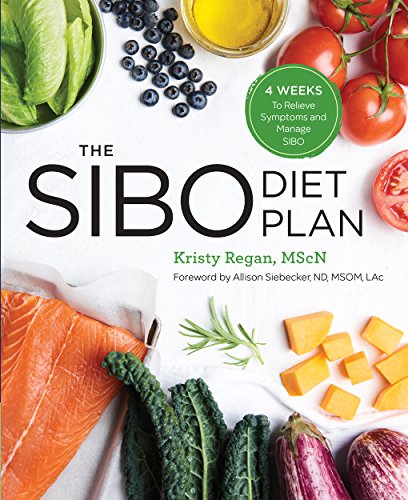
The SIBO Diet Plan: Four Weeks to Relieve Symptoms and Manage SIBO eBook : Regan MScN, Kristy, Siebecker ND MSOM LAc, Allison
As a person living with SIBO herself, she infuses her experience and expertise into a meal guide that teaches you what and how to eat to make the healing journey easier and more delicious."—Shiva
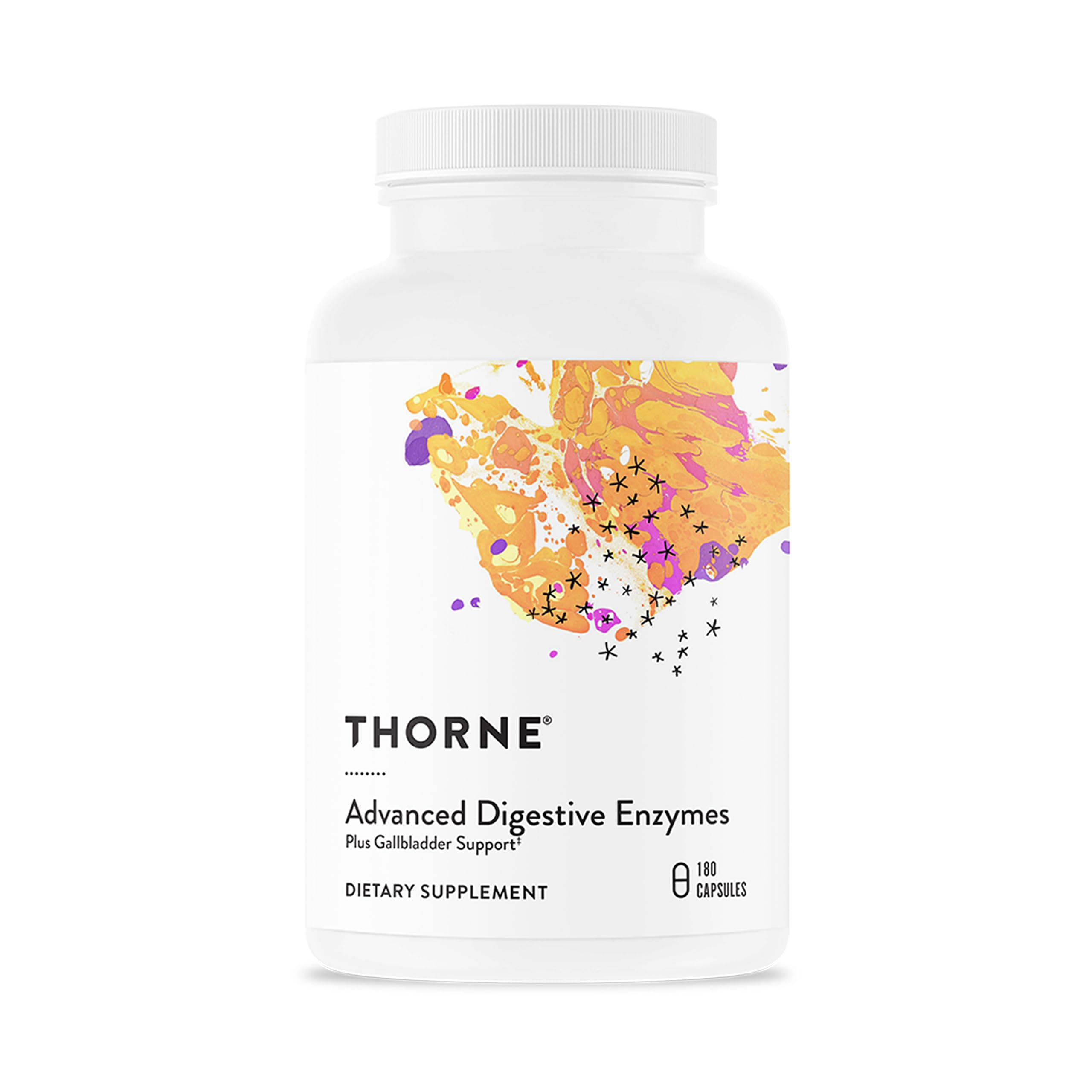
THORNE - Advanced Digestive Enzymes - Supplement with Pepsin, Ox Bile & Pancreatin for Indigestion & Constipation Relief - Minimizes Occasional Gas & Bloating* - Third-Party Certified - 180 Capsules
Comprehensive Formula: <strong>A blend of hydrochloric acid (HCl) , pepsin, pancreatin, and ox bile</strong> to promote the digestion and absorption of essential nutrients from the food we eat*

Integrative Therapeutics - Physicians' Protein - Pure Vegetarian Formula - Mild Vanilla Flavor - 13.8 oz
... This product <strong>contains no yeast, wheat, gluten, soy, dairy products, artificial coloring, artificial flavoring, preservatives, ingredients of animal origin</strong> ... Physicians' Pro
Evidence & Sources
Promising research with growing clinical support from multiple studies
- American College of Gastroenterology (ACG) Clinical Guideline: Small Intestinal Bacterial Overgrowth
- Gastroenterology
- The American Journal of Gastroenterology
- Monash University Low FODMAP research program
- National Center for Complementary and Integrative Health (NCCIH)
- World Journal of Gastroenterology
- Clinical Gastroenterology and Hepatology
- Gut
This content is for informational purposes only and does not constitute medical advice. Always consult a qualified healthcare provider before starting, stopping, or changing any supplement or medication regimen.