

Seed Oil-Free Diet
Also known as: No Seed Oil, Oil-Free Diet
Overview
A seed oil-free diet refers to an eating pattern that avoids oils extracted from seeds, commonly including soybean, corn, canola, sunflower, safflower, cottonseed, grapeseed, and rice bran oils. In public discussion, this approach is often linked to concerns about omega-6 polyunsaturated fatty acids (PUFAs), industrial food processing, oxidation during high-heat cooking, and the possibility that these oils may contribute to inflammation, metabolic dysfunction, or cardiovascular risk. Many versions of the diet also reduce consumption of ultra-processed foods, since seed oils are widely used in packaged snacks, restaurant foods, dressings, spreads, and fried items.
Interest in seed oil avoidance has grown alongside broader skepticism of modern processed foods. In practice, people following this pattern may replace seed oils with fats such as olive oil, avocado oil, butter, ghee, coconut oil, or animal fats, though the overall nutritional profile can vary substantially depending on which substitutes are used. This is important because the health effects of a seed oil-free diet may reflect not only the removal of specific oils, but also broader changes in diet quality, fiber intake, saturated fat intake, calorie balance, and degree of food processing.
From a scientific standpoint, the topic remains controversial and nuanced. Conventional nutrition research has generally found that replacing saturated fats with unsaturated fats, including many plant oils, is associated with improved blood lipid profiles and lower cardiovascular risk. At the same time, some researchers and commentators argue that modern intake of refined seed oils may differ meaningfully from traditional dietary patterns, especially when these oils are repeatedly heated, consumed in fried foods, or paired with high intakes of refined carbohydrates and low nutrient density foods. As a result, the phrase "seed oil-free diet" can refer to several distinct ideas: avoidance of highly refined industrial oils, avoidance of all seed-derived fats, or a broader return to less processed whole-food eating.
Because the term is not a formal medical diet, there is no single standardized definition or established clinical protocol. The most defensible interpretation in current health literature is that outcomes depend heavily on what is removed, what replaces it, and the overall dietary pattern. People considering major dietary changes, especially those with cardiovascular disease, metabolic conditions, digestive disorders, or specific nutritional needs, may benefit from discussing the broader context with a qualified healthcare professional.
Medical Perspectives
Two Ways of Seeing Health

Western
scientific · clinical
Western medicine applies science, technology, and clinical experience to treat symptoms through testing, diagnosis, and targeted intervention.

Eastern
traditional · alternative
Eastern medicine focuses on treating the body naturally by applying traditional knowledge practiced for thousands of years, emphasizing balance and whole-person wellness.
Gold Bamboo presents both perspectives side-by-side so you can make informed decisions. We don't advocate for one over the other — your health choices are yours.
Western Medicine Perspective
Western / Conventional Medicine Perspective
In conventional medicine and nutrition science, the main question is not usually whether an oil comes from a seed, but rather its fatty acid composition, degree of processing, effects on LDL cholesterol, HDL cholesterol, triglycerides, insulin sensitivity, inflammatory markers, and long-term clinical outcomes. Large bodies of evidence have found that diets higher in unsaturated fats and lower in saturated fats are often associated with lower cardiovascular risk. For this reason, many mainstream guidelines have historically supported oils such as soybean, canola, sunflower, and safflower oil as alternatives to butter or lard, particularly when used in place of fats high in saturated fat.
Research does not consistently support the broad claim that seed oils are inherently inflammatory in humans when consumed in typical dietary patterns. Although omega-6 linoleic acid can be converted into signaling molecules involved in inflammation, human studies have generally found that higher intake of linoleic acid does not reliably increase major inflammatory biomarkers, and in some contexts may be associated with neutral or favorable outcomes. Concerns are more substantial around deep-frying, repeated heating, oxidation, and ultra-processed food intake, where degraded oils and excess calorie intake may contribute to poorer health outcomes. In this view, some of the perceived benefits of a seed oil-free diet may come from eating fewer fried and packaged foods rather than from removing seed oils alone.
Conventional experts also note potential tradeoffs. If seed oils are replaced primarily with extra-virgin olive oil, nuts, seeds, fish, and minimally processed foods, the overall dietary pattern may remain favorable. If they are replaced mainly with butter, cream, fatty cuts of meat, or tropical oils high in saturated fat, blood lipid effects may be less favorable for some individuals, particularly those at elevated cardiovascular risk. Thus, western medicine generally evaluates this diet through the lens of overall substitution effects, cardiometabolic markers, and long-term dietary quality rather than through a simple good-versus-bad classification of seed oils.
Eastern & Traditional Perspective
Eastern / Traditional Medicine Perspective
Traditional medical systems such as Traditional Chinese Medicine (TCM) and Ayurveda do not typically categorize foods according to the modern concept of "seed oils" as a distinct biomedical concern. Instead, they assess oils and fats based on qualities such as warming or cooling nature, heaviness, digestibility, effect on circulation, influence on digestion and elimination, and compatibility with an individual's constitution or pattern of imbalance. From these perspectives, the central issue is often less about seed extraction itself and more about whether a fat is fresh, balanced, appropriate to digestion, and consumed in moderation within a whole dietary pattern.
In TCM, overly greasy, rich, stale, or heavily fried foods are often discussed as contributing to patterns described as dampness, phlegm, heat, or qi stagnation, particularly when digestion feels sluggish or symptoms worsen after rich meals. A seed oil-free approach may therefore overlap with traditional principles when it leads to less intake of fried, processed, and reheated foods. However, TCM would usually individualize the discussion: some people may tolerate richer fats differently than others, and food choice is often framed in relation to broader patterns such as spleen qi deficiency, damp-heat, or liver qi stagnation, rather than a universal rule against one class of oils.
In Ayurveda, fats are considered in terms of their effects on agni (digestive fire), dosha balance, tissue nourishment, and ama formation. Highly processed, repeatedly heated, or difficult-to-digest foods may be viewed as more likely to burden digestion, while traditionally prepared fats such as ghee are often described as more compatible in certain constitutions and contexts. At the same time, Ayurveda emphasizes personalization: what is considered balancing for one person may be aggravating for another. Naturopathic and traditional whole-food frameworks similarly tend to focus on food quality, freshness, minimal processing, and inflammatory burden, often aligning more with a reduction in industrially processed foods than with a strictly defined ban on all seed-derived oils.
Overall, eastern and traditional perspectives may find partial philosophical alignment with the seed oil-free movement when it encourages less processed eating and attention to digestive tolerance, but these systems generally do not offer strong classical evidence that all seed oils are inherently harmful across all individuals.
Supplements & Products
Recommended Products

Deep Nutrition: Why Your Genes Need Traditional Food: Shanahan M.D., Catherine
One of the Best Health and Wellness Books of 2017 ― Sports Illustrated Deep Nutrition cuts through today’s culture of conflicting nutritional ideologies, showing how the habits of our ancestors can he
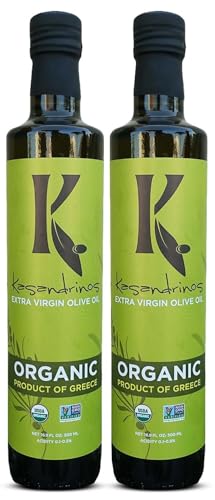
Kasandrinos Organic Olive Oil Extra Virgin, Polyphenol Rich Greek Olive Oil, 100% Organic First Cold Pressed, Mild + Delicate Flavor, Verified by Non GMO, 500 ml / 16.9 oz
Premium Quality: Kasandrinos Organic extra virgin Greek Olive oil is <strong>formulated using 100% organic olives, personally hand-picked from orchards that are more than 100 years old</strong>.
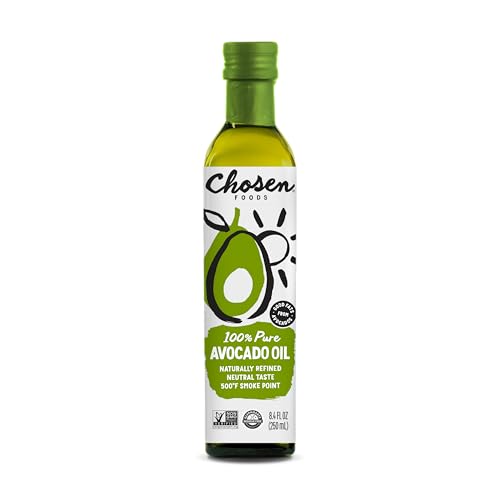
Chosen Foods, 100% Pure Avocado Oil, Non-GMO, High-Heat All Purpose Oil, 6 Count of 250ml, 8.4 Fluid Ounce (Pack of 6)
Chosen Foods Organic Avocado Oil, 16.9 Fl Oz - <strong>All Purpose Cooking Oil made from 100% Pure Avocados - Non-GMO, Gluten-Free, Keto Friendly, Glyphosate Free - 500mL (Pack Of 1)</strong>
Evidence & Sources
Promising research with growing clinical support from multiple studies
- American Heart Association
- World Health Organization
- National Institutes of Health Office of Dietary Supplements
- Cochrane Database of Systematic Reviews
- Circulation
- Journal of the American College of Cardiology
- BMJ
- NCCIH
This content is for informational purposes only and does not constitute medical advice. Always consult a qualified healthcare provider before starting, stopping, or changing any supplement or medication regimen.