

Renal Diet
Also known as: Kidney Diet, Nephrology Diet
Overview
A renal diet refers to an eating pattern designed to reduce metabolic stress on the kidneys, especially in people living with chronic kidney disease (CKD), advanced kidney dysfunction, or those receiving dialysis. Because the kidneys help regulate fluid balance, electrolytes, acid-base status, and the removal of waste products from protein metabolism, reduced kidney function can make it harder for the body to maintain safe levels of sodium, potassium, phosphorus, and fluid. Dietary modification is therefore a central part of kidney care and is often individualized according to kidney function, laboratory values, symptoms, and treatment stage.
In practice, the term renal diet does not describe one single universal menu. Instead, it typically involves adjusting the intake of several key nutrients, including protein, sodium, potassium, phosphorus, and sometimes fluids. For some individuals with earlier-stage CKD, nutrition plans may emphasize moderation of sodium and careful protein intake while supporting cardiovascular and metabolic health. For those with more advanced CKD or dialysis dependence, nutritional goals may shift substantially, sometimes including stricter electrolyte control or higher protein needs due to treatment-related losses. This variability is one reason renal nutrition is considered highly specialized.
The significance of renal dietary care is substantial because CKD is common worldwide and is closely linked with diabetes, hypertension, cardiovascular disease, and aging. Research suggests that appropriate dietary management may help support blood pressure control, reduce edema, improve biochemical balance, and potentially slow progression in some forms of kidney disease when integrated into broader medical care. At the same time, overly restrictive diets can contribute to malnutrition, muscle loss, poor appetite, and reduced quality of life, especially in older adults or people on dialysis, so balance is essential.
A modern discussion of the renal diet also includes newer questions about plant-forward eating patterns, phosphorus additives in processed foods, individualized potassium guidance, and the role of acid load and dietary patterns rather than single nutrients alone. As a result, contemporary kidney nutrition is moving away from overly simplistic restriction and toward more personalized approaches. Anyone considering significant dietary changes in the context of kidney disease is generally advised to do so in coordination with a qualified healthcare professional, particularly a nephrology team or renal dietitian.
Related Treatment Comparison
Chronic kidney disease (CKD) is a long-term decline in kidney function, usually defined by a sustained reduction in estimated glomerular filtration rate (eGFR), persistent albumin in the urine, or other markers of kidney damage present for at least 3 months. The kidneys help regulate fluid balance, electrolytes, acid-base status, blood pressure, red blood cell production, and bone-mineral metabolism, so CKD can affect far more than filtration alone. Common drivers include diabetes, hypertension, glomerular disease, genetic disorders, autoimmune conditions, and prior kidney injury. Treatment plans often vary because CKD is a spectrum rather than a single uniform disease, and risk can differ substantially by stage, albuminuria, cause, symptoms, and cardiovascular burden. In Western medicine, management often focuses on slowing progression, reducing albuminuria, controlling blood pressure and blood sugar, treating complications, and preparing for renal replacement therapy when needed. In Eastern and integrative frameworks, clinicians may also consider symptom burden, energy levels, digestion, sleep, edema, and quality of life, using approaches such as acupuncture, individualized herbal medicine, and therapeutic food practices. Research support is not equal across options: some interventions are strongly studied and form the backbone of standard care, while others are used traditionally or as adjuncts with more limited or mixed evidence. That difference in evidence matters especially in CKD, where kidney clearance, electrolyte shifts, herb-drug interactions, and delayed recognition of progression can carry real risks.
View comparison (6 options)Medical Perspectives
Two Ways of Seeing Health

Western
scientific · clinical
Western medicine applies science, technology, and clinical experience to treat symptoms through testing, diagnosis, and targeted intervention.

Eastern
traditional · alternative
Eastern medicine focuses on treating the body naturally by applying traditional knowledge practiced for thousands of years, emphasizing balance and whole-person wellness.
Gold Bamboo presents both perspectives side-by-side so you can make informed decisions. We don't advocate for one over the other — your health choices are yours.
Western Medicine Perspective
Western Medicine Perspective
In conventional medicine, the renal diet is understood as a therapeutic nutrition strategy aimed at managing the physiologic consequences of reduced kidney function. Clinical care typically focuses on preserving nutritional status while limiting the accumulation of substances the kidneys can no longer regulate effectively. Common targets include sodium to help manage blood pressure and fluid retention, protein to reduce nitrogenous waste in selected stages of CKD, potassium to lower the risk of dangerous elevations in blood potassium, and phosphorus to address mineral and bone disorders associated with kidney disease. In dialysis patients, protein needs are often different because dialysis can increase amino acid losses.
Guidance in western nephrology is increasingly based on individualized assessment rather than blanket restriction. For example, not every person with kidney disease requires strict potassium limitation, and phosphorus source matters, with processed-food phosphate additives often being more readily absorbed than naturally occurring phosphorus in many plant foods. Clinical monitoring commonly includes estimated glomerular filtration rate (eGFR), serum potassium, bicarbonate, phosphate, albumin, weight trends, edema, and blood pressure. Registered dietitians specializing in kidney disease play a central role in translating these data into practical meal planning.
Research supports several aspects of renal dietary management, although evidence quality varies by intervention. Lower sodium intake is well supported for blood pressure and fluid management, and controlled protein intake in non-dialysis CKD has been studied extensively. Dietary patterns such as the Mediterranean diet, DASH-style modifications, and plant-dominant low-protein approaches are being investigated for their potential benefits in kidney and cardiovascular outcomes, though they often require adaptation to the patient's potassium, phosphorus, and protein needs. Conventional medicine also recognizes that dietary care must be integrated with medications, diabetes management, blood pressure control, and treatment of complications such as anemia or CKD-mineral bone disorder.
Overall, the western approach views the renal diet as a medically important but dynamic tool: less a rigid list of forbidden foods and more a targeted nutritional framework tailored to disease stage, comorbidities, and lab values. Because inappropriate restriction can be harmful, conventional sources consistently emphasize professional supervision for meaningful dietary changes in kidney disease.
Eastern & Traditional Perspective
Eastern/Traditional Medicine Perspective
In Traditional Chinese Medicine (TCM), kidney-related disorders are not defined solely by laboratory kidney function, but by broader patterns involving the Kidney system, fluid metabolism, vitality, essence, and relationships with the Spleen, Liver, and Bladder. From this perspective, dietary approaches may be framed in terms of addressing patterns such as Kidney Yin deficiency, Kidney Yang deficiency, Dampness, edema, or Spleen deficiency affecting fluid transformation. Foods may be discussed according to their energetic properties, flavors, and perceived effects on moisture, warmth, and nourishment rather than by electrolyte content alone.
Traditional East Asian dietetics has historically emphasized moderation, digestibility, and avoiding excesses that may burden weakened organ systems. In a person viewed as having fluid retention or Damp accumulation, heavily salted, greasy, or overly processed foods may be seen as aggravating imbalance. In deficiency-oriented patterns, nourishment and support of overall vitality may be emphasized. However, classical frameworks do not map directly onto modern CKD staging or the medically important management of potassium, phosphorus, and uremia. For that reason, TCM-informed dietary ideas are generally best understood as complementary conceptual models rather than substitutes for renal nutrition planning in advanced kidney disease.
In Ayurveda, kidney and urinary concerns may be interpreted through the balance of doshas, tissue nourishment, waste elimination, and the function of channels involved in water metabolism. Ayurvedic dietary principles often emphasize individualized eating patterns, digestive strength, and minimizing foods thought to increase imbalance, inflammation, or fluid disturbance. Similarly, naturopathic nutrition may focus on whole foods, reducing highly processed sodium-rich products, and supporting metabolic and cardiovascular health. These systems often share a broad preference for less processed diets and for tailoring food choices to the individual constitution or pattern.
Evidence for traditional dietary frameworks specifically in CKD is limited compared with conventional renal nutrition research. Some traditional practices may align with modern principles—such as reducing processed foods or paying attention to fluid retention—but herbal formulas, concentrated broths, mineral-rich tonics, or “healthy” foods can still present risks in kidney disease because of potassium, phosphorus, sodium, or contaminant content. For this reason, integrative care models generally emphasize coordination with nephrology professionals when traditional nutrition concepts are explored alongside a renal diet.
Supplements & Products
Recommended Products
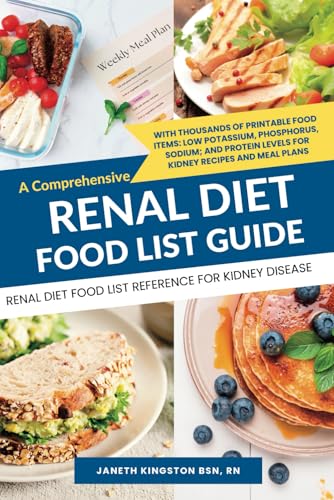
Renal Diet Cookbook for the Newly Diagnosed: The Complete Guide to Managing Kidney Disease and Avoiding Dialysis: Zogheib MHS RD LDN, Susan, Wish MD, Jay
Renal Diet Cookbook for the Newly Diagnosed: <strong>The Complete Guide to Managing Kidney Disease and Avoiding Dialysis</strong> [Zogheib MHS RD LDN, Susan, Wish MD, Jay] on Amazon.com. *FREE* shippi

Dash Salt-Free Seasoning Blend, Original, 2.5 Ounce : Mixed Spices And Seasonings : Everything Else
Dash is <strong>a full line of seasoning blends and mixes in a wide variety of flavors</strong>. From our most popular original seasoning blend to taco and chili seasoning, all of our blends have no a

Ozeri Pronto Digital Multifunction Kitchen and Food Scale
Accurate, elegant, easy-to-use kitchen scale for all your diet and health goals - <strong>weighs up to 11.24 lbs (5100 grams) with precise graduations of 0.04 oz (1 gram).</strong> Unit button instant
Evidence & Sources
Promising research with growing clinical support from multiple studies
- KDIGO Clinical Practice Guideline for the Evaluation and Management of Chronic Kidney Disease
- KDOQI Clinical Practice Guideline for Nutrition in CKD
- National Institute of Diabetes and Digestive and Kidney Diseases (NIDDK)
- National Kidney Foundation
- American Journal of Kidney Diseases
- Kidney International
- Clinical Journal of the American Society of Nephrology
- Academy of Nutrition and Dietetics
- World Health Organization
- National Center for Complementary and Integrative Health (NCCIH)
This content is for informational purposes only and does not constitute medical advice. Always consult a qualified healthcare provider before starting, stopping, or changing any supplement or medication regimen.