

Raw Milk Diet
Also known as: Unpasteurized Milk Diet, Raw Dairy
Overview
The raw milk diet refers to a dietary pattern that includes raw, unpasteurized milk as a regular food, and in some versions places raw milk at the center of the diet. Advocates often describe raw milk as a more "natural" form of dairy and attribute potential value to its native enzymes, naturally occurring fats, and live microbes that may be reduced or altered by pasteurization. Depending on the version, the diet may emphasize milk from cows, goats, or sheep and may also include other minimally processed animal foods.
Interest in raw milk is driven by several themes: digestive health, nutrient preservation, traditional food practices, and skepticism toward industrial food processing. Supporters sometimes claim improved tolerance, better flavor, or enhanced vitality. At the same time, raw milk remains one of the more controversial foods in nutrition and public health because it can also act as a vehicle for foodborne pathogens, including Salmonella, Campylobacter, E. coli, and Listeria.
From a nutritional standpoint, milk in general can provide protein, calcium, phosphorus, vitamin B12, riboflavin, and, when fortified, vitamin D. Raw milk may contain some naturally occurring bacteria and enzymes, but the practical health significance of these components remains debated. Research has not established that raw milk is nutritionally superior in ways that clearly outweigh known infectious risks. Public health agencies therefore distinguish between the nutritional value of milk as a food and the safety concerns specific to consuming it unpasteurized.
The topic is also significant because it sits at the intersection of nutrition, food safety, agriculture, and traditional food culture. Some people seek raw milk as part of a back-to-the-farm or whole-food lifestyle, while regulators and clinicians focus on population-level safety. As with many controversial diet topics, the discussion benefits from separating historical use and subjective experience from evidence on measurable health outcomes and risk. People considering major dietary changes, especially those involving higher-risk foods, are commonly encouraged to discuss them with qualified healthcare professionals.
Medical Perspectives
Two Ways of Seeing Health

Western
scientific · clinical
Western medicine applies science, technology, and clinical experience to treat symptoms through testing, diagnosis, and targeted intervention.

Eastern
traditional · alternative
Eastern medicine focuses on treating the body naturally by applying traditional knowledge practiced for thousands of years, emphasizing balance and whole-person wellness.
Gold Bamboo presents both perspectives side-by-side so you can make informed decisions. We don't advocate for one over the other — your health choices are yours.
Western Medicine Perspective
Western Medicine Perspective
In conventional medicine and public health, the central issue with a raw milk diet is microbiological safety. Pasteurization was adopted because heating milk to controlled temperatures significantly reduces the risk of transmitting dangerous organisms without substantially changing its core macronutrient profile. Major health authorities, including the CDC, FDA, WHO, and the American Academy of Pediatrics, have consistently stated that raw milk carries a higher risk of foodborne illness than pasteurized milk.
Research suggests that outbreaks linked to raw milk and raw milk products continue to occur, even in regulated farm settings. Illness can range from self-limited gastrointestinal infection to severe complications such as hemolytic uremic syndrome, miscarriage, sepsis, or neurologic illness, particularly in children, pregnant people, older adults, and immunocompromised individuals. From this perspective, claims that careful farming alone eliminates risk are not supported consistently by surveillance data, because contamination may occur even under seemingly hygienic conditions.
On the nutrition side, conventional medicine generally recognizes milk as a nutrient-dense food, but does not view raw milk as clearly superior to pasteurized milk in clinically meaningful ways. Some studies have explored whether raw farm milk exposure is associated with lower allergy or asthma rates in certain populations, but these findings are observational and may reflect broader farm-environment effects rather than raw milk itself. Western medicine therefore tends to interpret the current evidence as insufficient to justify routine raw milk consumption for health benefits, especially given the better-established infectious risks.
Clinically, discussion of the raw milk diet often centers on risk stratification, food safety, lactose intolerance, and nutritional adequacy rather than therapeutic benefit. Conventional practitioners may also note that people seeking digestive or immune benefits from fermented foods, probiotics, or dairy nutrition can often obtain these from safer, pasteurized or cultured alternatives. This perspective emphasizes that dietary quality and digestive tolerance are individualized, but foodborne infection risk from raw milk is a well-recognized public health concern.
Eastern & Traditional Perspective
Eastern/Traditional Medicine Perspective
Traditional systems such as Ayurveda and some naturopathic or traditional-food philosophies often evaluate milk less by pasteurization status alone and more by its quality, digestibility, freshness, sourcing, season, and compatibility with the individual. In Ayurveda, milk has historically been regarded as a potentially nourishing food when it is suitable to the person and used in the proper context. It may be described as supporting ojas or overall vitality, but classical frameworks also emphasize that dairy can be difficult to digest in some constitutions or when combined improperly with other foods.
In these traditions, the perceived value of less processed milk may relate to concepts of vitality, life force, or food integrity. Some practitioners of traditional or naturopathic nutrition regard raw milk as closer to its original state and therefore potentially easier for certain individuals to assimilate. Others place more emphasis on whether milk is warm, cultured, spiced, diluted, or taken at particular times, rather than on rawness itself. Fermented dairy preparations have often held a more established role in traditional dietary systems than large amounts of fresh milk alone.
Traditional Chinese Medicine does not generally center milk in the same way some Western natural-food movements do, but dairy is often viewed through the lens of dampness, phlegm, and digestive burden in susceptible individuals. From that perspective, tolerance varies widely, and signs of heaviness, mucus, bloating, or sluggish digestion may be interpreted as indicators that dairy is not an ideal food for a given pattern. Thus, even within traditional systems, there is no universal endorsement of a raw milk-focused diet.
Overall, eastern and traditional perspectives tend to frame the question in terms of individual constitution, digestive strength, food energetics, and preparation method. These frameworks may recognize potential nourishing qualities in minimally processed milk while also acknowledging that not every person digests dairy well. Importantly, modern practitioners working within traditional systems often also incorporate contemporary food-safety knowledge and may advise that historical reverence for certain foods does not remove the need to consider present-day microbiological risk.
Supplements & Products
Recommended Products
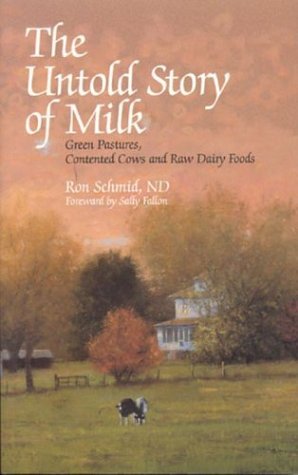
The Untold Story Of Milk: Green Pastures, Contented Cows and Raw Dairy Products: Ron Schmid, Sally Fallon
by Ron Schmid (Author), Sally Fallon (Foreword) See all formats and editions · The Untold Story of Milk <strong>chronicles the role of milk in the rise of civilization and in early America</strong>, t

Cultures for Health Milk Kefir Grains | DIY Frothy Dairy Non-GMO Probiotic Drink for Stronger Gut Health | Limitless Heirloom Style Starter | Easy to Flavor or Add to Recipes | Bulgaros De Leche
All you have to do is <strong>let grains sit in milk for 12-24 hours at room temp (68-85°F).</strong> STRESS FREE: Our kefir grains arrive in a dehydrated state, giving them a longer shelf life as opp
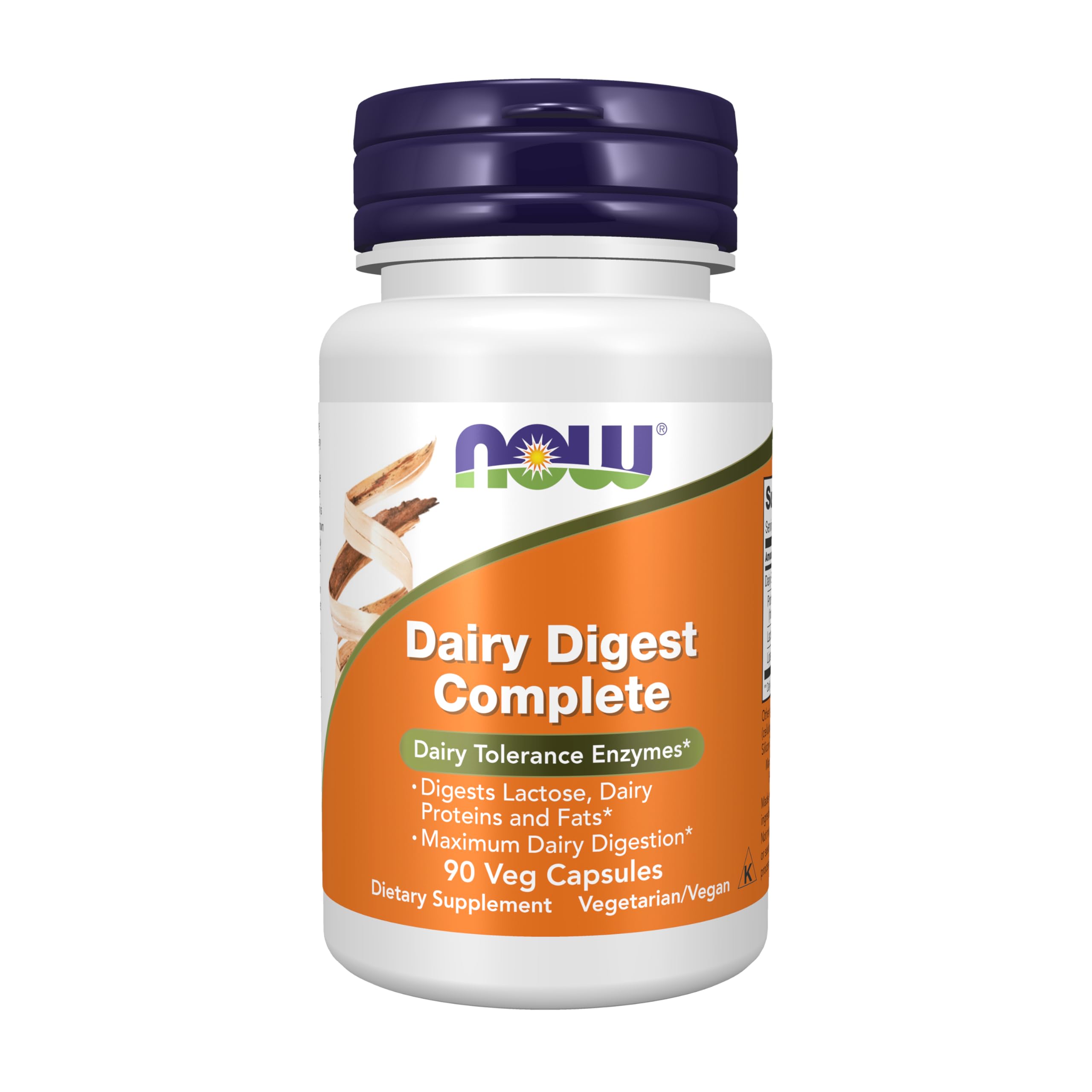
NOW Foods Supplements, Dairy Digest Complete, Digests Lactose, Dairy Proteins and Fats*, Dairy Tolerance Enzymes*, 90 Veg Capsules : Everything Else
However, intolerance is also frequently ... NOW® Dairy Digest Complete <strong>combines lactase for lactose digestion with proteases and lipases that specifically target milk proteins and fat for dige
Evidence & Sources
Promising research with growing clinical support from multiple studies
- Centers for Disease Control and Prevention (CDC)
- U.S. Food and Drug Administration (FDA)
- World Health Organization (WHO)
- American Academy of Pediatrics
- NCCIH (National Center for Complementary and Integrative Health)
- Clinical Infectious Diseases
- Journal of Food Protection
- The Lancet
- Pediatrics
This content is for informational purposes only and does not constitute medical advice. Always consult a qualified healthcare provider before starting, stopping, or changing any supplement or medication regimen.