

Raw Food Diet
Also known as: Raw Vegan, Uncooked Diet
Overview
The raw food diet is an eating pattern centered on foods that are uncooked or minimally heated, typically emphasizing raw fruits, vegetables, nuts, seeds, sprouted grains or legumes, sea vegetables, and sometimes unpasteurized fermented foods. In many versions of the diet, foods are not heated above a relatively low temperature threshold, based on the belief that cooking destroys naturally occurring enzymes, diminishes nutrient content, or reduces the “vitality” of food. Some raw food approaches are entirely vegan, while others may include raw dairy, raw eggs, sashimi, or other uncooked animal foods.
Interest in raw food diets often overlaps with broader wellness goals such as weight management, increased fruit and vegetable intake, reduced intake of ultra-processed foods, and greater attention to food sourcing and preparation. From a public health perspective, the diet sits within a larger conversation about plant-forward eating patterns and food processing. Research consistently links higher intake of whole plant foods with improved cardiometabolic health, but this does not automatically mean that a fully raw dietary pattern is superior to balanced cooked or mixed diets.
Nutritionally, raw food diets can be rich in fiber, potassium, folate, vitamin C, and phytonutrients, especially when they include a wide variety of produce, nuts, and seeds. At the same time, studies and clinical observations suggest that strict raw food diets may increase the risk of insufficient calorie intake, low vitamin B12, low vitamin D, inadequate calcium, iron, iodine, zinc, and in some cases low protein availability, depending on food selection. Very high-fiber intake may also make it harder for some people to meet energy needs. In stricter versions, the exclusion of cooked legumes, grains, and fortified foods can narrow nutritional diversity.
Another central issue is food safety. While many raw plant foods are safe when properly handled, uncooked sprouts, raw milk, raw eggs, and raw animal products carry recognized risks of foodborne illness. Conventional nutrition science also notes that cooking can increase the bioavailability of certain nutrients and beneficial compounds in some foods, such as lycopene in tomatoes and beta-carotene accessibility in some vegetables, while reducing some heat-sensitive nutrients in others. Overall, the raw food diet is best understood as a pattern with both potential benefits and meaningful limitations, and its health effects depend heavily on how it is constructed, individual nutritional status, and medical context.
Medical Perspectives
Two Ways of Seeing Health

Western
scientific · clinical
Western medicine applies science, technology, and clinical experience to treat symptoms through testing, diagnosis, and targeted intervention.

Eastern
traditional · alternative
Eastern medicine focuses on treating the body naturally by applying traditional knowledge practiced for thousands of years, emphasizing balance and whole-person wellness.
Gold Bamboo presents both perspectives side-by-side so you can make informed decisions. We don't advocate for one over the other — your health choices are yours.
Western Medicine Perspective
Western Medicine Perspective
From the standpoint of conventional medicine and nutrition science, the raw food diet is evaluated according to nutrient adequacy, metabolic health outcomes, digestive tolerance, and food safety. A diet built around abundant fruits, vegetables, nuts, seeds, and minimally processed foods may support lower intake of refined sugars and highly processed products, and observational research suggests that such eating patterns can be associated with lower body weight and favorable cardiovascular risk markers in some populations. However, much of the evidence concerns whole-food, plant-forward diets generally rather than strictly raw diets specifically.
Western medicine does not support the common claim that dietary enzymes in raw foods are required for human digestion. Human digestion depends primarily on enzymes produced by the body, including salivary, gastric, pancreatic, and intestinal enzymes. In addition, some foods become more digestible or nutritionally accessible after cooking. Cooking can break down cell walls, reduce certain naturally occurring antinutrients, and improve the availability of some nutrients. On the other hand, heat can reduce certain water-soluble vitamins, so the scientific view is nuanced rather than uniformly pro- or anti-cooking.
Clinical concerns with long-term strict raw food diets include underweight status, reduced bone mass, menstrual irregularities in some women, and micronutrient deficiencies, particularly vitamin B12 if animal products or fortified foods are absent. Healthcare professionals may also consider gastrointestinal tolerance, since very high intakes of raw fiber can aggravate bloating or digestive discomfort in some individuals. Food safety authorities also emphasize the increased infection risk associated with raw sprouts, unpasteurized dairy, and raw animal foods. In conventional care, discussion of raw food diets typically focuses on balancing the benefits of high whole-food intake with the need for nutritional adequacy and safe food handling, ideally in consultation with qualified healthcare professionals.
Eastern & Traditional Perspective
Eastern / Traditional Medicine Perspective
In Traditional Chinese Medicine (TCM), food is understood not only by nutrient content but also by its energetic nature, temperature, flavor, and effect on organ systems. Raw foods are often categorized as more cooling and moistening, which may be seen as beneficial in patterns associated with excess internal heat. However, TCM theory has traditionally held that too much raw or cold food can weaken the Spleen and Stomach functions, which are viewed as central to digestion and transformation of food into usable energy. For this reason, some TCM practitioners describe large amounts of raw food as potentially difficult to digest for individuals with bloating, loose stools, fatigue, or a tendency toward “cold” constitutions.
In Ayurveda, foods are also considered according to qualities such as heating, cooling, heavy, light, dry, and oily, as well as their effects on digestive fire, or agni. Raw foods are often regarded as lighter in some respects but also more difficult to digest for people with weaker agni. Ayurveda traditionally places significant value on freshly prepared foods, digestive capacity, season, climate, and constitution (dosha). As a result, an all-raw diet is not universally favored; instead, traditional frameworks often emphasize adjusting the proportion of raw versus cooked foods based on individual balance, environment, and symptoms.
In naturopathic and other holistic traditions, raw foods are sometimes valued for their freshness, high phytonutrient density, and low degree of processing. These systems may describe raw plant foods as supporting vitality, digestive regularity, and overall wellness when used appropriately. At the same time, many traditional systems do not assume that more raw food is always better. Across Eastern and traditional perspectives, the recurring theme is individualization: the effects of raw foods may depend on constitution, digestive strength, season, and the broader pattern of eating, and discussion with a qualified practitioner is often considered important when major dietary changes are being explored.
Supplements & Products
Recommended Products
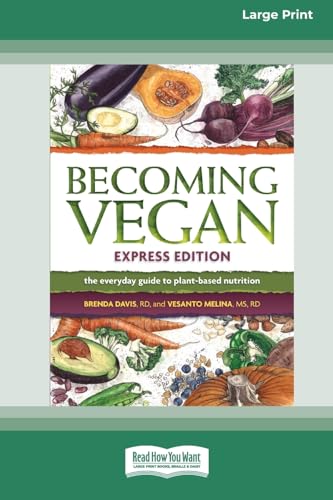
Becoming Raw: The Essential Guide to Raw Vegan Diets: Brenda Davis, Vesanto Melina, Rynn Berry
Brenda Davis, RD, and Vesanto Melina, MS, RD, world-renown Canadian dietitians, speakers and consultants, have <strong>authored two best-selling, definitive works on plant-based nutrition, Becoming Ve

Jarrow Formulas Methyl Vitamin B12 5000 mcg - 60 Chewable Tablets, Naturally Fruit Flavored- Bioactive B12 Vitamin - Supports Cellular Energy Production, Brain Health & Metabolism - 60 Servings
Better Retained With Jarrow B12: ... and vegans (1) Convenient Chewable Tablet: <strong>Each naturally fruit flavored chewable tablet delivers 5000 micrograms (mcg) of methyl B-12</strong>; our B12 me

Excalibur Electric Food Dehydrator Machine 9-Tray with 26-Hour Timer, Automatic Shut Off Accurate Temperature Control and Fast Drying with 15 Square Feet of Drying Space, 600-Watts, Black
Dehydration concentrates the natural ... with artificial preservatives. The Excalibur 9-Tray Food Dehydrator <strong>provides 15 square feet of drying space</strong>, making this food dryer dehydrator
Evidence & Sources
Promising research with growing clinical support from multiple studies
- Academy of Nutrition and Dietetics
- National Center for Complementary and Integrative Health (NCCIH)
- World Health Organization (WHO)
- U.S. Food and Drug Administration (FDA)
- American Society for Nutrition
- The American Journal of Clinical Nutrition
- European Journal of Clinical Nutrition
- Journal of Nutrition
This content is for informational purposes only and does not constitute medical advice. Always consult a qualified healthcare provider before starting, stopping, or changing any supplement or medication regimen.