

Primal Diet
Also known as: Primal eating, Primal blueprint diet, Primal lifestyle diet
Overview
The Primal Diet is an ancestral-style eating pattern closely related to the paleo approach. It generally emphasizes whole, minimally processed foods such as vegetables, fruits, eggs, fish, meat, nuts, seeds, and natural fats, while excluding or sharply limiting refined sugars, industrially processed foods, and many grain-based products. A common distinction is that primal frameworks often permit certain dairy foods, especially minimally processed or full-fat varieties, whereas stricter paleo approaches usually avoid dairy entirely. In popular wellness culture, the diet is often explored for weight management, blood sugar support, satiety, and metabolic health, as well as for the broader idea of aligning modern eating habits with an “ancestral” pattern.
From a nutrition standpoint, the primal diet is less a single standardized protocol than a family of eating patterns built around food quality and reduced processing. Many versions prioritize high-fiber vegetables, adequate protein, unsaturated and naturally occurring fats, and avoidance of ultra-processed foods. Depending on how it is implemented, the diet may be relatively low in refined carbohydrates and higher in protein and fat than conventional dietary patterns. This variability matters, because health effects can differ substantially depending on whether the diet centers on vegetables, seafood, olive oil, nuts, and fermented dairy versus large amounts of red meat, butter, and limited plant diversity.
Interest in primal-style eating overlaps with broader research on paleo diets, low-carbohydrate diets, and whole-food dietary patterns. Studies suggest that diets reducing ultra-processed foods and added sugars may support improvements in body weight, triglycerides, insulin sensitivity, and appetite regulation in some populations. At the same time, concerns are often raised about nutritional balance, long-term sustainability, fiber intake, calcium intake if dairy is limited, and cardiometabolic effects when saturated fat intake becomes high. Because “primal” is not a medically standardized diet, conclusions are usually drawn from related dietary research rather than from a large body of direct trials on the primal diet itself.
The significance of the primal diet lies partly in its role within a broader public shift away from heavily processed eating patterns. For some individuals, it serves as a framework for simplifying food choices and focusing on ingredient quality. For others, it may be restrictive or difficult to maintain socially, financially, or culturally. As with many named diets, its impact depends less on the label and more on the overall nutrient quality, diversity, and personal context, including existing medical conditions, digestive tolerance, activity level, and individual metabolic health. Consultation with a qualified healthcare professional can help place any restrictive diet pattern into an appropriate health context.
Medical Perspectives
Two Ways of Seeing Health

Western
scientific · clinical
Western medicine applies science, technology, and clinical experience to treat symptoms through testing, diagnosis, and targeted intervention.

Eastern
traditional · alternative
Eastern medicine focuses on treating the body naturally by applying traditional knowledge practiced for thousands of years, emphasizing balance and whole-person wellness.
Gold Bamboo presents both perspectives side-by-side so you can make informed decisions. We don't advocate for one over the other — your health choices are yours.
Western Medicine Perspective
Western Medicine Perspective
In conventional nutrition science, the primal diet is usually understood through the lens of dietary pattern analysis rather than as a distinct clinical therapy. Researchers often compare it with paleo-style diets, lower-carbohydrate diets, and whole-food dietary approaches. Western medicine tends to focus on measurable outcomes such as body weight, waist circumference, blood glucose, HbA1c, lipids, blood pressure, inflammatory markers, and nutrient adequacy. Research suggests that diets emphasizing minimally processed foods and reducing refined carbohydrates may improve satiety and support modest short-term improvements in weight and metabolic markers, especially in people with overweight, insulin resistance, or features of metabolic syndrome.
At the same time, conventional medicine evaluates both potential benefits and potential tradeoffs. Some studies on paleo-like eating patterns have reported improvements in glycemic control, triglycerides, and blood pressure, but evidence for long-term superiority over other balanced dietary patterns remains limited. Major concerns include the possibility of excess saturated fat, inadequate intake of whole grains and legumes, reduced dietary fiber if plant intake is not robust, and lower calcium or vitamin D intake in versions that exclude or minimize dairy. In individuals with kidney disease, lipid disorders, eating disorder history, or certain gastrointestinal conditions, a more restrictive ancestral diet may require closer nutritional evaluation.
Current mainstream guidance generally supports the strongest elements of primal-style eating—more vegetables, fewer ultra-processed foods, less added sugar, and attention to food quality—while remaining cautious about categorical exclusion of entire food groups without medical necessity. From a western perspective, the most evidence-based interpretation is not that ancestral labeling itself is therapeutic, but that a diet built around nutrient-dense whole foods may be beneficial when it remains balanced, sustainable, and appropriate to individual health needs. Healthcare professionals often emphasize personalized assessment rather than assuming a named diet is universally suitable.
Eastern & Traditional Perspective
Eastern/Traditional Medicine Perspective
In Traditional Chinese Medicine (TCM), food is often viewed according to its energetic qualities, flavors, and effects on patterns such as Dampness, Heat, Qi deficiency, or Spleen weakness. A primal-style diet’s emphasis on unprocessed foods may align with the traditional preference for simpler, less adulterated ingredients. However, TCM would not usually evaluate the diet by macronutrient ratios alone. Instead, the relevance of this eating pattern would depend on constitution and symptom pattern. For example, a heavily meat-centered or high-fat interpretation might be seen as contributing to Dampness or internal Heat in some individuals, while a balanced version with cooked vegetables, broths, eggs, and moderate animal foods could be seen as more nourishing and easier to digest.
In Ayurveda, dietary suitability is likewise individualized and interpreted through dosha balance, digestive fire (agni), and tissue nourishment. A primal diet rich in whole foods and low in refined sugar may be viewed positively in principle, particularly where stable energy and reduced dietary excess are concerned. Yet Ayurveda traditionally places strong emphasis on digestibility, seasonality, preparation methods, and constitution, rather than on modern ancestral narratives. Cold foods, very high animal food intake, or dry low-carbohydrate patterns might be seen as aggravating for some constitutions, while warm, cooked, moderate versions may be considered more harmonizing.
In broader naturopathic and traditional-food frameworks, the primal diet often resonates with themes of food quality, reduced industrial processing, blood sugar steadiness, and digestive resilience. Fermented foods, pasture-raised animal foods, and avoidance of refined sweeteners may be especially emphasized in these circles. Still, traditional systems generally do not frame one universal diet as ideal for all people. Their common thread is that food is contextual: what is beneficial depends on constitution, climate, age, activity, digestion, and existing imbalance. This individualized perspective is one reason traditional interpretations may support some core principles of primal eating while differing sharply on details of implementation.
Supplements & Products
Recommended Products
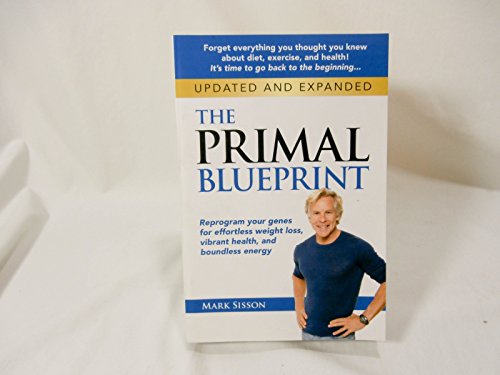
The Primal Blueprint: Reprogram Your Genes for Effortless Weight Loss, Vibrant Health, and Boundless Energy: Sisson, Mark
The Primal Blueprint: <strong>Reprogram Your Genes for Effortless Weight Loss, Vibrant Health, and Boundless Energy</strong> [Sisson, Mark] on Amazon.com. *FREE* shipping on qualifying offers. The Pri

Vital Proteins Collagen Peptides Powder Advanced with Hyaluronic Acid & Vitamin C, 20oz Collagen Protein, Unflavored, 27 Servings
SUPPORTS COLLAGEN PRODUCTION: With 100% daily value of Vitamin C, this Vital Proteins Collagen Peptides Advanced Powder <strong>helps promote collagen production which is important for maintaining hea
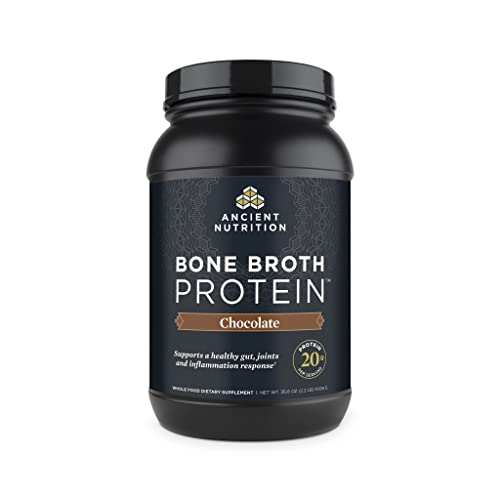
Ancient Nutrition Grass Fed & Cage Free Bone Broth Protein Powder, 20g Protein Per Serving, Hydrolyzed Collagen Peptides, Glucosamine, Chondroitin, Supports Joint & Gut Health, Pure, 20 Servings
Powerful Bone Broth Nutrition: <strong>Delivers 20g of protein per serving with hydrolyzed collagen types I, II & III, glucosamine, chondroitin, hyaluronic acid, and 18 amino acids to support over
Evidence & Sources
Promising research with growing clinical support from multiple studies
- American Heart Association
- National Institutes of Health (NIH)
- National Center for Complementary and Integrative Health (NCCIH)
- The BMJ
- The American Journal of Clinical Nutrition
- Nutrients
- European Journal of Clinical Nutrition
- Mayo Clinic Proceedings
This content is for informational purposes only and does not constitute medical advice. Always consult a qualified healthcare provider before starting, stopping, or changing any supplement or medication regimen.