

Plant-Based Diet
Also known as: Plant Diet, No Meat Diet
Overview
A plant-based diet is an eating pattern centered on foods derived primarily from plants, including vegetables, fruits, legumes, whole grains, nuts, seeds, herbs, and spices. Depending on how the term is used, it may describe a fully vegan pattern or a broader approach that emphasizes plant foods while allowing limited amounts of animal-derived foods. People adopt plant-based diets for a range of reasons, including cardiometabolic health, digestive wellness, environmental concerns, cultural values, and ethical considerations related to animal welfare.
From a public health perspective, plant-forward eating patterns have attracted substantial interest because they are often associated with higher fiber intake, lower saturated fat intake, greater phytochemical exposure, and improved dietary quality overall. Research suggests that well-constructed plant-based diets may be linked with lower rates of cardiovascular disease, hypertension, type 2 diabetes, and some measures of excess body weight. At the same time, health outcomes depend heavily on diet quality: a pattern built around minimally processed plant foods differs meaningfully from one dominated by refined grains, added sugars, and ultra-processed meat substitutes.
A central feature of plant-based nutrition is its richness in compounds that are relatively underconsumed in many modern diets, such as dietary fiber, polyphenols, potassium, magnesium, folate, and unsaturated fats. These nutrients and food components may support gut microbiome diversity, lipid balance, glycemic regulation, and inflammatory signaling. However, exclusive or near-exclusive plant-based eating can also raise questions about intake of certain nutrients that are more concentrated or more bioavailable in animal foods, especially vitamin B12, iron, zinc, calcium, iodine, omega-3 fatty acids, vitamin D, and in some cases protein adequacy, depending on food variety and total intake.
Plant-based diets are best understood not as a single rigid diet, but as a spectrum of eating patterns. Mediterranean-style diets, vegetarian diets, vegan diets, and many traditional cuisines around the world all include plant-centered principles. For this reason, discussions of plant-based eating in both conventional and traditional medicine often focus less on labels and more on food quality, balance, constitution, and long-term sustainability. As with any major dietary pattern, individual needs can vary, and healthcare professionals may be consulted when considering plant-based eating in the context of pregnancy, childhood, older age, chronic illness, or medication use.
Medical Perspectives
Two Ways of Seeing Health

Western
scientific · clinical
Western medicine applies science, technology, and clinical experience to treat symptoms through testing, diagnosis, and targeted intervention.

Eastern
traditional · alternative
Eastern medicine focuses on treating the body naturally by applying traditional knowledge practiced for thousands of years, emphasizing balance and whole-person wellness.
Gold Bamboo presents both perspectives side-by-side so you can make informed decisions. We don't advocate for one over the other — your health choices are yours.
Western Medicine Perspective
Western Medicine Perspective
In conventional nutrition science, plant-based diets are generally evaluated through the lenses of chronic disease prevention, nutrient adequacy, metabolic health, and long-term adherence. Large cohort studies and clinical research indicate that dietary patterns emphasizing whole plant foods are associated with favorable outcomes for LDL cholesterol, blood pressure, insulin sensitivity, weight management, and cardiovascular risk markers. Dietary frameworks such as the Mediterranean diet, DASH, vegetarian, and vegan patterns have all been studied, with the strongest support typically seen when the diet emphasizes whole grains, legumes, vegetables, fruits, nuts, and healthy fats rather than highly processed plant-based products.
Western medicine also distinguishes between healthful and less-healthful plant-based diets. Studies suggest that plant-based patterns rich in refined starches, sugar-sweetened foods, and ultra-processed items may not confer the same benefits, and in some cases may be associated with poorer metabolic outcomes. This distinction is important because the term "plant-based" can be interpreted broadly in popular culture, while clinical nutrition focuses on nutrient density, food matrix, and overall dietary pattern quality.
From a clinical standpoint, one of the main areas of discussion is nutritional completeness. Position statements from professional organizations note that appropriately planned vegetarian and vegan diets can support health across the lifespan, but attention is often given to vitamin B12, which is not reliably supplied by unfortified plant foods. Additional nutrients of interest may include iron, zinc, iodine, calcium, vitamin D, selenium, and long-chain omega-3 fats (EPA and DHA). Protein intake is usually adequate when calorie intake is sufficient and the diet includes diverse plant protein sources such as beans, lentils, soy foods, peas, nuts, seeds, and whole grains, though requirements and absorption considerations may differ by age, health status, and activity level.
Conventional medicine increasingly views plant-based diets as a potentially valuable dietary pattern for prevention and risk reduction, but not as a universal solution or standalone therapy. Researchers also note that many findings come from observational studies, where plant-based eating often travels with other health-promoting behaviors. As a result, the strongest conclusions tend to support plant-based diets as part of a broader lifestyle pattern, with individualized assessment remaining important.
Eastern & Traditional Perspective
Eastern and Traditional Medicine Perspective
In Traditional Chinese Medicine (TCM), food is not classified primarily by macronutrients but by its energetic nature, flavor, temperature, and effects on organ systems and patterns of imbalance. A plant-centered diet may be viewed favorably when it includes a wide variety of cooked vegetables, legumes, grains, and seasonal foods that support the Spleen and Stomach, which are considered central to digestion and the transformation of food into usable energy. From this perspective, an overly raw, cold, or highly restrictive plant-based diet may be seen as less suitable for individuals with signs of digestive weakness, coldness, fatigue, or bloating, whereas warming preparations and balanced meal structure may be considered more harmonizing.
In Ayurveda, plant foods are also understood in terms of their effects on doshas, digestion (agni), tissue nourishment, and mental qualities. Many traditional Ayurvedic dietary patterns are naturally rich in grains, legumes, vegetables, spices, and plant fats, but the appropriateness of a specific plant-based pattern depends on constitution and digestive capacity. For example, legumes, cruciferous vegetables, and raw salads may be considered beneficial in some contexts yet aggravating in others if they contribute to gas, dryness, or weakened digestion. Preparation methods such as soaking, fermenting, cooking with spices, and eating according to season are traditionally emphasized to improve digestibility.
In naturopathic and other holistic traditions, plant-based diets are often valued for their concentration of fiber, antioxidants, phytonutrients, and minimally processed foods, as well as their potential alignment with broader goals of prevention and ecological health. These traditions may place special emphasis on the body's self-regulating capacity, digestive integrity, and the role of whole foods in supporting balance over time. At the same time, traditional systems typically do not present one single ideal diet for every person; instead, they often stress individualization, constitutional differences, preparation methods, and the relationship between food, environment, and lifestyle.
Overall, eastern and traditional frameworks tend to interpret plant-based eating less as an ideology and more as a pattern whose effects depend on balance, season, constitution, and digestive resilience. This perspective overlaps with modern nutrition in recognizing that food quality and personal context matter, though the language and theory used to explain those effects differ substantially from biomedical models.
Supplements & Products
Recommended Products
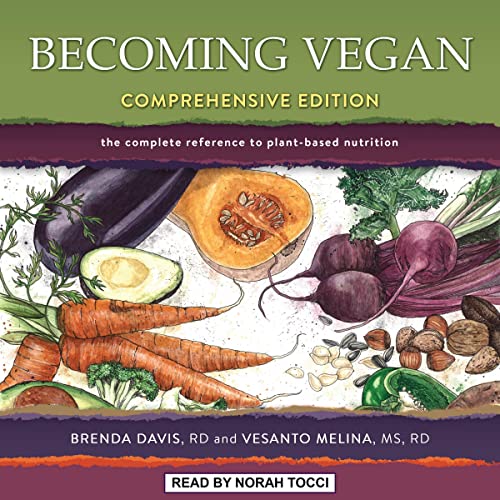
Becoming Vegan: The Complete Reference to Plant-Based Nutrition (Comprehensive Edition): Davis, Brenda, Melina, Vesanto
Internationally acclaimed dietitians Brenda Davis and Vesanto Melina specifically designed this fully referenced, comprehensive edition to meet the needs of health professionals, academic librarians,
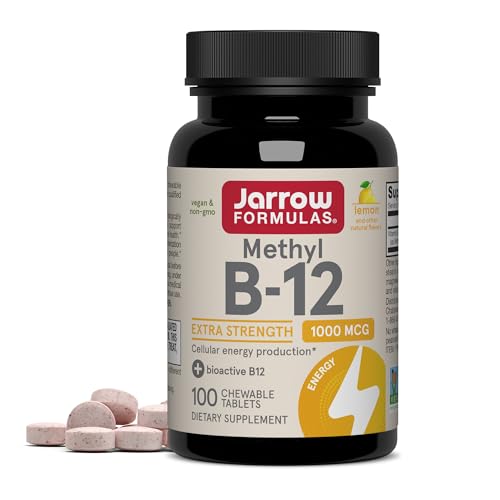
Jarrow Formulas Methyl Vitamin B-12 1000 mcg, 100 Chewable Tablets, Lemon Flavored- Bioactive B12 Vitamin - Supports Cellular Energy Production, Brain Health & Metabolism - 100 Servings
Jarrow Formulas® Methyl B-12 Tablets, 500 mg, <strong>Dietary Supplement for Cellular Energy Production and Brain Health Support</strong>, 100 Cherry Flavor Chewable Tablets, 100 Day Supply · NOW Supp
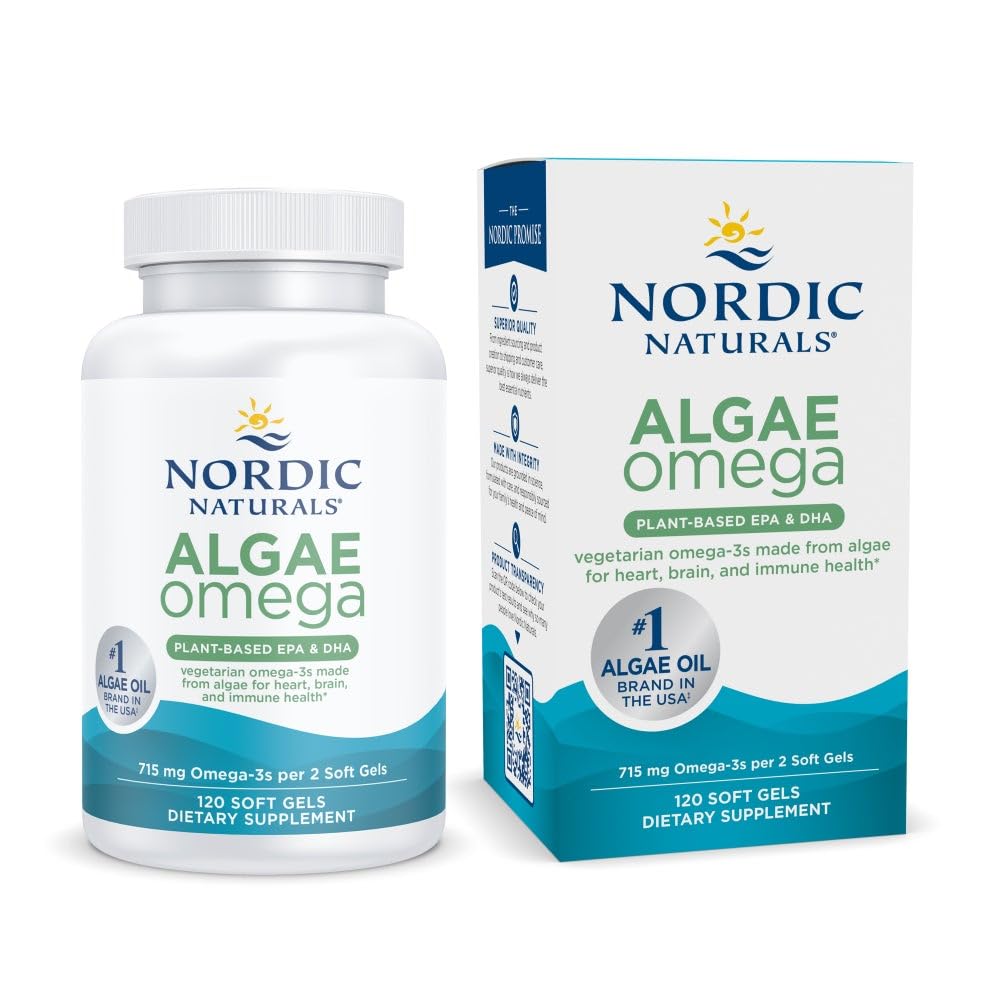
Nordic Naturals Algae Omega - 120 Soft Gels - 715 mg Omega-3 - Certified Vegan Algae Oil - Plant-Based EPA & DHA - Heart, Eye, Immune & Brain Health - Non-GMO - 60 Servings
Nordic Naturals Plant Based Ultimate Omega, Lemon Flavor - 60 Vegetarian Soft Gels - 1210 mg Omega-3 - Vegan EPA and DHA - Supplement Made from Algae - Brain & Heart Support - Non-GMO - 30 Serving
Evidence & Sources
Supported by multiple clinical trials and systematic reviews
- Academy of Nutrition and Dietetics
- American Heart Association
- World Health Organization
- National Institutes of Health Office of Dietary Supplements
- The Lancet
- Journal of the American College of Cardiology
- Circulation
- Nutrients
- The BMJ
This content is for informational purposes only and does not constitute medical advice. Always consult a qualified healthcare provider before starting, stopping, or changing any supplement or medication regimen.