

Pescatarian Diet
Also known as: Pescetarian diet, Pesco vegetarian diet, Fish vegetarian diet
Overview
A pescatarian diet is a predominantly plant-based eating pattern that includes fish and seafood while excluding meat such as beef, pork, and poultry. Many versions also include eggs, dairy, legumes, whole grains, nuts, seeds, fruits, and vegetables, making it a flexible middle ground between a vegetarian and an omnivorous diet. People often explore this pattern for heart health, anti-inflammatory eating, metabolic wellness, and for ethical or environmental reasons.
From a nutrition standpoint, the pescatarian diet combines several features associated with healthy dietary patterns: high fiber intake from plant foods, unsaturated fats from fish, nuts, seeds, and olive oil, and a generally lower intake of red and processed meats. Fatty fish such as salmon, sardines, trout, anchovies, and mackerel are notable for providing omega-3 fatty acids, which have been widely studied in cardiovascular and inflammatory health. At the same time, the overall nutritional quality of a pescatarian diet can vary considerably depending on food choices, preparation methods, and the balance between whole foods and ultra-processed foods.
Research on pescatarian-style eating is often considered within the broader literature on Mediterranean, plant-forward, and semi-vegetarian dietary patterns. Studies suggest these approaches may be associated with favorable outcomes for cardiovascular risk factors, blood lipid profiles, and overall dietary quality when compared with patterns high in processed foods and red meat. However, benefits are not automatic; they depend on the dietary pattern as a whole, including intake of sodium, refined carbohydrates, added sugars, fried foods, and total calorie balance.
Potential considerations include nutrient adequacy and food safety. Depending on how the diet is structured, nutrients that may warrant attention include iron, zinc, vitamin B12, iodine, calcium, vitamin D, and protein quality distribution. Seafood also raises questions about mercury and other contaminants, sustainability, and sourcing. Because individual needs differ by age, life stage, health status, and cultural food practices, pescatarian eating is best understood as a broad framework rather than a single standardized diet, and any major dietary change may benefit from discussion with a qualified healthcare professional.
Medical Perspectives
Two Ways of Seeing Health

Western
scientific · clinical
Western medicine applies science, technology, and clinical experience to treat symptoms through testing, diagnosis, and targeted intervention.

Eastern
traditional · alternative
Eastern medicine focuses on treating the body naturally by applying traditional knowledge practiced for thousands of years, emphasizing balance and whole-person wellness.
Gold Bamboo presents both perspectives side-by-side so you can make informed decisions. We don't advocate for one over the other — your health choices are yours.
Western Medicine Perspective
Western Medicine Perspective
In conventional nutrition science, the pescatarian diet is generally viewed as a plant-forward dietary pattern that may support health when it is based on minimally processed foods and includes a variety of nutrient-dense choices. Western medicine often evaluates this diet by its effects on measurable outcomes such as LDL cholesterol, triglycerides, blood pressure, inflammation-related markers, body weight, insulin sensitivity, and long-term cardiovascular risk. Replacing some red and processed meat with fish, legumes, and plant proteins is frequently associated with improved diet quality and, in many observational studies, with lower risk of chronic disease.
A major focus of the western perspective is the role of seafood-derived omega-3 fatty acids—especially EPA and DHA—in cardiovascular health. Research indicates that regular fish intake is associated with reduced risk of coronary heart disease in many populations, and clinical guidelines commonly include fish as part of heart-healthy eating patterns. Conventional medicine also recognizes that pescatarian diets may support a healthier fatty acid profile and higher intake of fiber, potassium, magnesium, folate, and phytonutrients when compared with typical Western dietary patterns. These factors may contribute to benefits for cardiometabolic health and inflammation regulation.
At the same time, western medicine emphasizes that a pescatarian diet is not inherently protective if it relies heavily on refined grains, sugary foods, fried seafood, or highly processed meat substitutes. Clinical concerns may include mercury exposure from certain large predatory fish, inadequate intake of some micronutrients if the diet is poorly planned, and variable protein intake in people with higher needs. Populations such as pregnant individuals, children, older adults, and those with kidney disease or specific metabolic conditions may require individualized assessment. For this reason, conventional care typically frames the pescatarian diet as a potentially health-supportive pattern whose value depends on overall composition, quality, and context.
Eastern & Traditional Perspective
Eastern/Traditional Medicine Perspective
In Traditional Chinese Medicine (TCM), foods are often understood not only by nutrient content but also by their energetic properties, flavors, and effects on organ systems and body patterns. From this perspective, fish and seafood may be viewed as foods that can nourish qi, blood, or yin in certain contexts, while also differing in thermal nature depending on the species and preparation. A pescatarian-style pattern rich in vegetables, legumes, grains, and moderate seafood could be interpreted as balancing and light for some individuals, particularly when digestion is strong and meals are prepared in ways that support the Spleen and Stomach. However, in traditional frameworks, seafood may also be considered unsuitable in some patterns involving dampness, phlegm, skin reactivity, or food sensitivities, depending on the practitioner’s assessment.
In Ayurveda, dietary evaluation centers on constitution (dosha), digestive capacity (agni), season, and preparation methods. Fish may be regarded as nourishing and grounding for some constitutions, yet heavy or incompatible for others depending on quantity, combinations, and digestive strength. A pescatarian diet that emphasizes warm, cooked vegetables, legumes prepared for digestibility, spices, and moderate use of seafood may be seen as supportive in certain contexts, while excessive cold foods, fried foods, or difficult food combinations may be viewed as aggravating imbalance. Ayurveda generally places strong emphasis on individualization, meal timing, and digestion rather than on a single ideal universal diet.
In naturopathy and other traditional food-based systems, pescatarian eating is often discussed as a whole-food, anti-inflammatory, and lower-burden alternative to diets high in processed meat and saturated fat. These traditions frequently value the inclusion of wild or minimally processed fish, sea vegetables, legumes, colorful produce, and traditional preparation methods. Even so, traditional systems do not treat the pescatarian diet as universally appropriate; instead, they interpret its effects through the lens of constitution, environment, digestive resilience, and symptom patterns. As with conventional nutrition, consultation with a knowledgeable practitioner may help place this dietary pattern in an individualized context.
Supplements & Products
Recommended Products

The Easy 5-Ingredient Pescatarian Cookbook: Simple Recipes for Delicious, Heart
The Easy 5-Ingredient Pescatarian Cookbook is <strong>a collection of 75 delicious recipes that only require about 5 main ingredients</strong>, meaning you can prepare them inexpensively and in a flas

Nordic Naturals Ultimate Omega, Lemon Flavor - 60 Soft Gels - 1280 mg Omega-3 - High-Potency Fish Oil Supplement with EPA & DHA - Promotes Brain & Heart Health - Non-GMO - 30 Servings
Buy Nordic Naturals Ultimate Omega, Lemon Flavor - 60 Soft Gels - 1280 mg Omega-3 - <strong>High-Potency Fish Oil Supplement with EPA & DHA - Promotes Brain & Heart Health - Non-GMO - 30 Servi
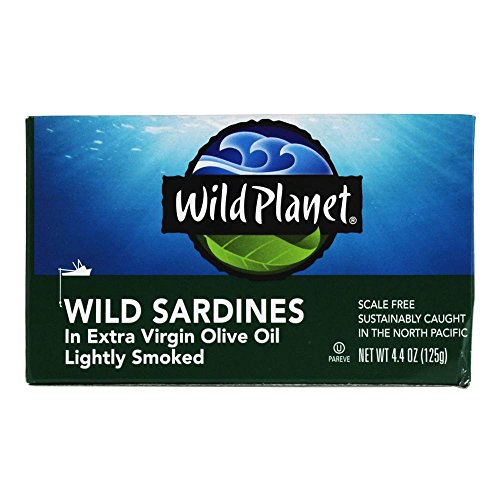
Wild Planet Wild Sardines in Extra Virgin Olive Oil, Lightly Smoked, Tinned Fish, Sustainably Wild-Caught, Non-GMO, Kosher, Gluten Free, 4.4. Ounce (Pack of 12)
SUSTAINABLY SOURCED- We use sustainable and selective harvesting methods to catch our sardines to help eliminate bycatch. From the North Pacific. ... Loading content. ... Loading content. ... Wild Pla
Evidence & Sources
Promising research with growing clinical support from multiple studies
- American Heart Association
- Dietary Guidelines for Americans
- Harvard T.H. Chan School of Public Health
- National Institutes of Health Office of Dietary Supplements
- NCCIH (National Center for Complementary and Integrative Health)
- The BMJ
- JAMA
- Circulation
- The American Journal of Clinical Nutrition
- World Health Organization
This content is for informational purposes only and does not constitute medical advice. Always consult a qualified healthcare provider before starting, stopping, or changing any supplement or medication regimen.