

Pegan Diet
Also known as: Pegan diet plan, Paleo vegan diet, Pegan eating
Overview
The Pegan diet is a relatively modern eating pattern that blends core ideas from paleo-style and vegan-style approaches. In broad terms, it emphasizes non-starchy vegetables, low-glycemic fruits, nuts, seeds, legumes in limited or selective amounts, and smaller portions of animal foods chosen with an eye toward quality and sustainability. The pattern is often framed around whole, minimally processed foods, while reducing refined grains, added sugars, industrially processed products, and some dairy. Although the term itself is recent, many of its principles overlap with long-standing nutrition themes: eating more plants, prioritizing fiber-rich foods, and limiting ultra-processed items.
Interest in the Pegan diet often centers on metabolic health, inflammation support, weight management, and flexible “clean eating.” Its appeal partly comes from trying to bridge two dietary philosophies that are often viewed as opposites: paleo patterns typically exclude grains and legumes while allowing animal foods, whereas vegan patterns exclude all animal products but often include grains and legumes. The Pegan model attempts a middle ground by keeping the plate predominantly plant-based while allowing selected animal foods in smaller amounts. This can make it easier for some people to adopt than stricter dietary frameworks, though definitions vary widely across books, clinics, and media.
From a nutrition standpoint, the Pegan diet may offer benefits when it increases intake of vegetables, phytonutrients, unsaturated fats, and overall diet quality. Diets rich in minimally processed plant foods are consistently associated in research with improved cardiometabolic markers and lower chronic disease risk. At the same time, the Pegan diet is not a formally standardized medical diet, and its health effects have not been studied as a distinct pattern to the same degree as the Mediterranean diet, DASH diet, or fully plant-based diets. Because versions differ, nutrient adequacy can also vary, especially if major food groups are heavily restricted.
Potential considerations include the exclusion or minimization of whole grains, dairy, and sometimes legumes, which may affect intake of calcium, vitamin D, B vitamins, iodine, and fiber, depending on how the pattern is implemented. For some people, the reduction in refined carbohydrates may support blood sugar control; for others, the limits on grains or legumes may make the diet harder to sustain or unnecessarily restrictive. As with most dietary patterns, outcomes depend less on the label and more on overall nutritional composition, food quality, cultural fit, affordability, and long-term adherence. Anyone considering major dietary changes may benefit from discussing the approach with a qualified healthcare professional, especially if they have diabetes, kidney disease, gastrointestinal conditions, or a history of disordered eating.
Medical Perspectives
Two Ways of Seeing Health

Western
scientific · clinical
Western medicine applies science, technology, and clinical experience to treat symptoms through testing, diagnosis, and targeted intervention.

Eastern
traditional · alternative
Eastern medicine focuses on treating the body naturally by applying traditional knowledge practiced for thousands of years, emphasizing balance and whole-person wellness.
Gold Bamboo presents both perspectives side-by-side so you can make informed decisions. We don't advocate for one over the other — your health choices are yours.
Western Medicine Perspective
Western Medicine Perspective
In conventional nutrition science, the Pegan diet is generally viewed not as a rigorously defined clinical protocol but as a hybrid whole-food eating pattern. Western medicine tends to evaluate it by its measurable nutritional features rather than its brand name: high intake of vegetables and fruits, lower intake of refined carbohydrates and ultra-processed foods, and variable inclusion of animal protein and fats. Research consistently suggests that dietary patterns built around whole plant foods and limited processed foods are associated with better cardiovascular, metabolic, and inflammatory markers. In that sense, many Pegan principles align with broadly accepted preventive nutrition guidance.
However, conventional medicine also notes that evidence for the Pegan diet specifically is limited. Most available data come indirectly from studies on related patterns such as Mediterranean, low-glycemic, plant-forward, paleo, and vegan diets. These literatures suggest possible benefits for weight regulation, insulin sensitivity, triglycerides, and diet quality when processed foods and added sugars are reduced. At the same time, stricter versions of paleo-style eating have raised concerns about reduced whole-grain and legume intake, while stricter vegan-style eating can require more careful planning around vitamin B12, iron, calcium, omega-3 fats, and protein quality. A Pegan-style pattern may mitigate some of these concerns by including selected animal foods, but nutrient balance still depends on food selection.
From a clinical perspective, dietitians and physicians may assess a Pegan pattern in terms of adequacy, sustainability, and individual health context. A well-constructed version may be rich in fiber, antioxidants, and unsaturated fats, but a poorly balanced version could become overly restrictive or disproportionately reliant on expensive specialty foods. For individuals with chronic disease, food allergies, pregnancy, or complex medication regimens, conventional care generally emphasizes individualized review rather than assuming that a named diet is universally appropriate. Overall, western medicine would likely regard the Pegan diet as plausible and potentially health-supportive when thoughtfully planned, but less evidence-based than more extensively studied dietary models.
Eastern & Traditional Perspective
Eastern and Traditional Medicine Perspective
From an Eastern and traditional medicine perspective, the Pegan diet can be interpreted less as a fixed formula and more as a way of emphasizing natural, seasonal, minimally processed foods. In Traditional Chinese Medicine (TCM), food is often understood by its energetic properties, flavor, and effect on bodily patterns rather than by macronutrients alone. A Pegan-style emphasis on vegetables, seeds, nuts, and carefully selected animal foods may be seen as supporting balance when matched to a person’s constitution and digestive strength. However, TCM would not typically frame health around the paleo-versus-vegan debate; instead, it would consider whether a person shows patterns such as dampness, heat, deficiency, or stagnation, and whether foods are too raw, cooling, drying, or rich for that individual.
In Ayurveda, dietary approaches are similarly individualized according to dosha balance, digestion (agni), season, and life stage. A Pegan pattern rich in fresh plants and low in highly processed foods may align with traditional principles of eating closer to nature, but Ayurveda may also question whether a heavily raw or low-grain pattern is grounding enough for some constitutions. For example, some people may tolerate abundant salads and cruciferous vegetables well, while others may do better with more cooked foods, spices, or warming preparations. Thus, traditional systems often place greater emphasis on digestibility, food energetics, preparation methods, and personal constitution than on universal rules about grains, beans, or animal products.
In naturopathic and integrative traditions, the Pegan diet is often discussed in relation to blood sugar balance, inflammation modulation, gut health, and food quality. These frameworks frequently value elimination of ultra-processed foods and excess sugar while encouraging nutrient density and attention to individual response. Still, traditional systems generally do not treat any single named diet as inherently ideal for all people. Across TCM, Ayurveda, and naturopathic practice, the broader principle is that food can be therapeutic when it is whole, appropriate to the individual, and supportive of digestion and resilience. Individuals with ongoing symptoms or chronic illness are typically encouraged to consult qualified practitioners who can assess dietary fit in a personalized way.
Supplements & Products
Recommended Products
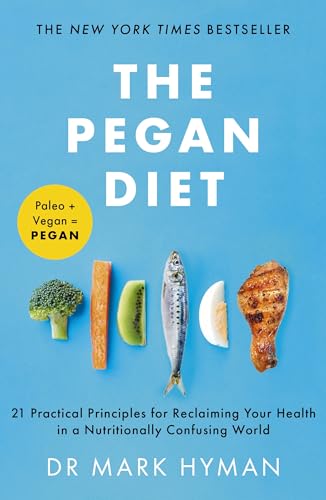
The Pegan Diet: 21 Practical Principles for Reclaiming Your Health in a Nutritionally Confusing World (The Dr. Mark Hyman Library, 10): Hyman MD, Dr. Mark
NEW YORK TIMES BESTSELLER Discover the benefits of “eating your medicine” with twelve-time bestselling author Mark Hyman, MD’s unique Pegan diet, “a masterpiece on food and health” (William Li, author
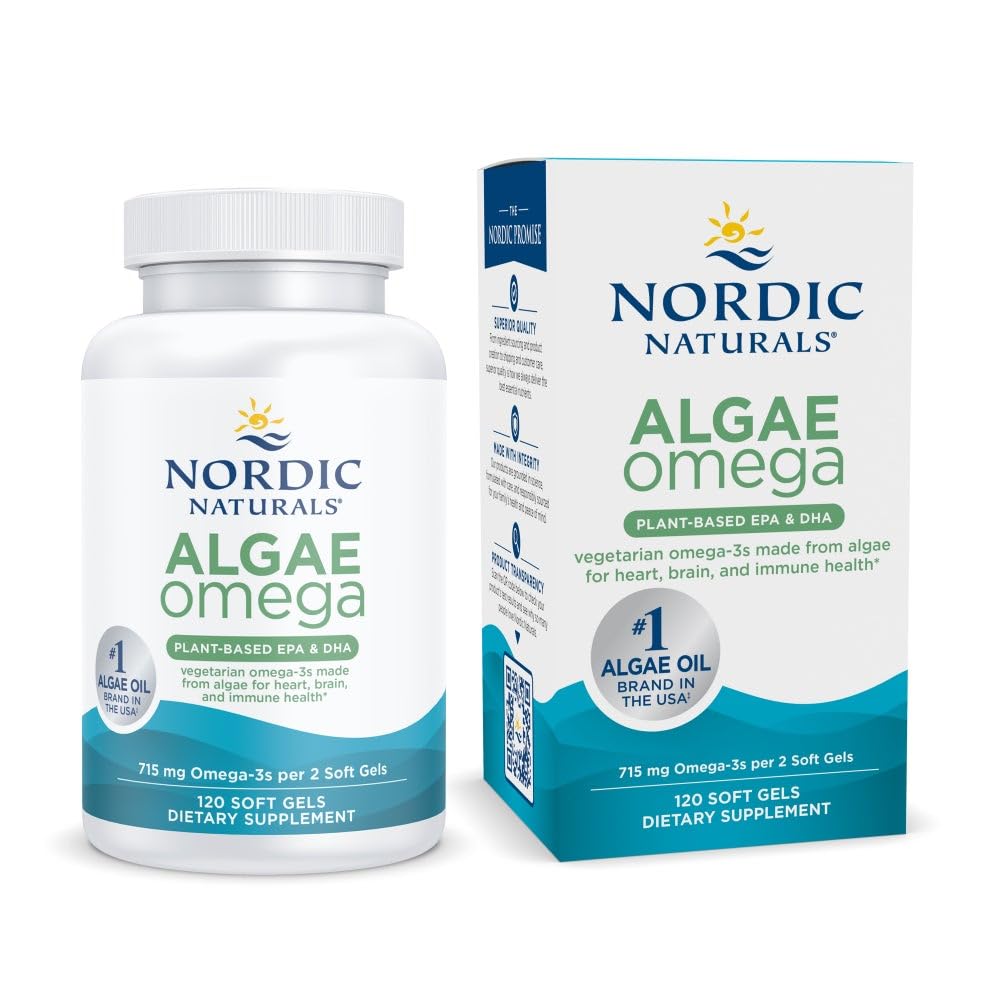
Nordic Naturals Algae Omega - 120 Soft Gels - 715 mg Omega-3 - Certified Vegan Algae Oil - Plant-Based EPA & DHA - Heart, Eye, Immune & Brain Health - Non-GMO - 60 Servings
Nordic Naturals Plant Based Ultimate Omega, Lemon Flavor - 60 Vegetarian Soft Gels - 1210 mg Omega-3 - Vegan EPA and DHA - Supplement Made from Algae - Brain & Heart Support - Non-GMO - 30 Serving

NOW Foods Sports Nutrition, Organic Pumpkin Seed Protein Powder With 10g of Protein, Certified Non-GMO, Unflavored, 1-Pound
Buy NOW Foods Sports Nutrition, Organic Pumpkin Seed Protein Powder With 10g of Protein, Certified Non-GMO, Unflavored, 1-Pound on Amazon.com ✓ FREE SHIPPING on qualified orders
Evidence & Sources
Promising research with growing clinical support from multiple studies
- Harvard T.H. Chan School of Public Health – The Nutrition Source
- American Heart Association
- National Institutes of Health (NIH)
- National Center for Complementary and Integrative Health (NCCIH)
- BMJ
- JAMA Network
- Circulation
- Nutrients
This content is for informational purposes only and does not constitute medical advice. Always consult a qualified healthcare provider before starting, stopping, or changing any supplement or medication regimen.