

One Meal a Day
Also known as: OMAD, One meal a day diet, Single meal fasting
Overview
One Meal a Day (OMAD) is a form of time-restricted eating in which a person consumes most or all of their daily calories within a single eating window, typically over about one hour, and fasts for the remaining 23 hours. It is often discussed as a more extreme version of intermittent fasting and is commonly associated with goals such as simplicity, weight management, appetite control, metabolic health, and prolonged daily fasting exposure. In popular wellness culture, OMAD is sometimes framed as a way to reduce decision fatigue around food, while in research settings it is more often considered within the broader category of meal timing and caloric distribution.
Interest in OMAD has grown alongside broader public attention to intermittent fasting. However, OMAD is less extensively studied than other fasting approaches, such as 16:8 time-restricted eating or alternate-day fasting. Existing studies on meal frequency, early versus late eating, and prolonged fasting windows suggest that meal timing can influence glucose regulation, insulin dynamics, hunger hormones, circadian biology, and body weight. At the same time, eating only once daily may make it difficult for some individuals to consume adequate protein, fiber, micronutrients, and total energy, particularly over the long term.
From a clinical and nutritional standpoint, OMAD is not a single standardized protocol. The health impact may vary based on meal quality, caloric adequacy, timing of the meal, sleep patterns, activity level, age, metabolic status, and underlying medical conditions. Research suggests that some people may experience short-term weight loss or improved structure around eating, while others may experience fatigue, irritability, headaches, overeating, gastrointestinal discomfort, reduced exercise performance, or blood sugar instability. For people with diabetes, a history of disordered eating, pregnancy, frailty, or certain chronic illnesses, prolonged fasting patterns may present additional concerns, underscoring the importance of individualized medical guidance.
In summary, OMAD occupies a space between behavioral eating strategy and metabolic intervention. It is best understood not simply as “one meal,” but as a pattern that changes the body’s relationship to hunger, energy intake, circadian rhythm, and social eating. The current literature suggests potential benefits for some metabolic outcomes, but also meaningful limitations and safety questions, especially when practiced rigidly or without attention to nutritional sufficiency and professional oversight.
Medical Perspectives
Two Ways of Seeing Health

Western
scientific · clinical
Western medicine applies science, technology, and clinical experience to treat symptoms through testing, diagnosis, and targeted intervention.

Eastern
traditional · alternative
Eastern medicine focuses on treating the body naturally by applying traditional knowledge practiced for thousands of years, emphasizing balance and whole-person wellness.
Gold Bamboo presents both perspectives side-by-side so you can make informed decisions. We don't advocate for one over the other — your health choices are yours.
Western Medicine Perspective
Western Medicine Perspective
In conventional medicine, OMAD is typically evaluated through the lens of intermittent fasting, meal timing, metabolic physiology, and nutrition adequacy. Researchers study how prolonged fasting intervals affect insulin sensitivity, glucose control, body weight, lipid metabolism, inflammation, and circadian rhythm. Some studies indicate that restricting the eating window may reduce total calorie intake and support weight loss in some individuals, while other findings suggest that the quality and quantity of food consumed remain central determinants of health outcomes. OMAD itself has not been studied as extensively as broader time-restricted eating patterns, so conclusions are often drawn from adjacent fasting research rather than large long-term OMAD trials.
A major concern in western nutrition science is whether one daily meal can reliably provide enough protein distribution, essential vitamins and minerals, fiber, and energy to support muscle maintenance, gastrointestinal health, hormonal balance, and day-to-day functioning. Studies on meal frequency and protein synthesis suggest that spreading protein intake across the day may be beneficial for preserving lean mass, especially in older adults, athletes, and people under physiologic stress. There are also concerns about large single meals causing post-meal glucose excursions, digestive discomfort, or difficulty maintaining steady energy and concentration. In some people, long fasting windows may also trigger compensatory overeating or reinforce unhealthy food preoccupation.
Conventional clinicians also consider OMAD in the context of risk stratification. It may be inappropriate or require close supervision for individuals with diabetes using glucose-lowering medications, eating disorders or disordered eating history, pregnancy or breastfeeding, underweight status, advanced age, chronic kidney disease, or other complex medical conditions. Professional organizations generally emphasize that fasting patterns can interact with medications and chronic disease management. As a result, the western perspective tends to view OMAD as a potentially useful but not universally suitable dietary pattern, with benefits and risks depending heavily on the individual and on whether nutritional needs are consistently met.
Eastern & Traditional Perspective
Eastern/Traditional Medicine Perspective
In Traditional Chinese Medicine (TCM), eating patterns are often discussed in relation to the strength of the Spleen and Stomach systems, which are seen as central to the transformation of food into usable energy, or Qi. From this perspective, very long gaps between meals may be tolerated differently depending on a person’s constitution. Some traditional frameworks may view a simplified meal pattern as supportive for people experiencing excess, stagnation, or overconsumption, while others may regard irregular or overly sparse eating as potentially weakening digestion, drying fluids, or aggravating patterns associated with Qi deficiency, Blood deficiency, or internal heat. TCM generally places importance not only on quantity but also on meal regularity, digestive comfort, and alignment with natural daily rhythms.
In Ayurveda, meal timing is tied to agni, or digestive fire. Classical Ayurvedic thought often values eating in accordance with digestive capacity and circadian rhythm, with many interpretations favoring a substantial midday meal when digestion is considered strongest. While fasting has traditional uses in some Ayurvedic contexts, very prolonged fasting windows or consuming all daily intake in one sitting may be seen as aggravating for certain constitutions, particularly Vata-dominant patterns, where irregularity, depletion, or instability are concerns. For others, periods of light eating or fasting may traditionally be used to address heaviness, sluggish digestion, or excess accumulation, but usually within a broader constitutional assessment rather than as a one-size-fits-all practice.
In naturopathic and traditional fasting philosophies, OMAD may be interpreted as a way of reducing digestive burden, improving awareness of hunger cues, and creating a daily interval of metabolic rest. At the same time, many traditional systems emphasize that the effects of fasting depend on vitality, season, stress load, sleep, and the nutrient density of food consumed. Across these traditions, a common theme is that fasting can be therapeutic in some contexts but depleting in others. For that reason, eastern and traditional perspectives often stress individual constitution, digestive resilience, and professional guidance rather than viewing OMAD as inherently beneficial or harmful.
Supplements & Products
Recommended Products
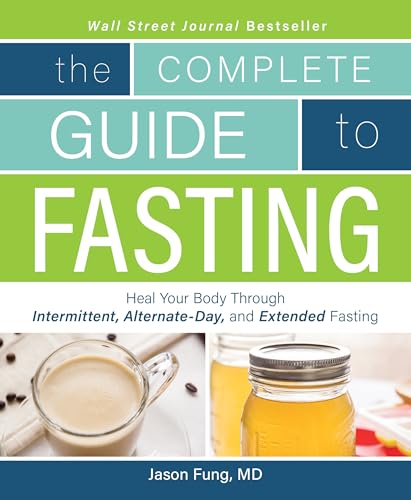
The Complete Guide to Fasting: Heal Your Body Through Intermittent, Alternate-Day, and Extended Fasting: Fung, Dr. Jason, Moore, Jimmy
Dr. Jason Fung ... The ultimate resource on intermittent fasting, the incredibly effective therapeutic approach to feeling better and losing weight that produces life-changing results.

SALTT by Keto Chow - Electrolyte Hydration Drops - Keto Diets & Intermittent Fasting - Immune Support - Gluten & Sugar Free - Sodium, Magnesium, Potassium & Trace Minerals - Unflavored - 0.83 fl oz
Amazon.com: <strong>SALTT by Keto Chow</strong> - Electrolyte Hydration Drops - Keto Diets & Intermittent Fasting - Immune Support - Gluten & Sugar Free - Sodium, Magnesium, Potassium & Tr

NOW Foods Sports Nutrition, Whey Protein Isolate, 25 g With BCAAs, Unflavored Powder, 5-Pound
NOW Sports products are comprehensively ... both bioavailable and easily digested · UNFLAVORED : <strong>Mix one level scoop into your daily smoothie for 25 g of protein per serving</strong>...
Evidence & Sources
Promising research with growing clinical support from multiple studies
- New England Journal of Medicine
- JAMA Internal Medicine
- Cell Metabolism
- The American Journal of Clinical Nutrition
- National Institute of Diabetes and Digestive and Kidney Diseases (NIDDK)
- National Center for Complementary and Integrative Health (NCCIH)
- Harvard T.H. Chan School of Public Health
- Nature Reviews Endocrinology
This content is for informational purposes only and does not constitute medical advice. Always consult a qualified healthcare provider before starting, stopping, or changing any supplement or medication regimen.