

Nightshade-Free Diet
Also known as: No nightshades diet, Nightshade elimination diet, Nightshade free eating
Overview
A nightshade-free diet is an elimination-style eating pattern that excludes foods from the botanical family Solanaceae, most commonly tomatoes, white potatoes, peppers, eggplant, tomatillos, goji berries, and paprika or chili-based spices. Interest in this diet often centers on concerns about joint pain, autoimmune conditions, digestive discomfort, and inflammation. In popular health discussions, nightshades are sometimes described as problematic because they contain naturally occurring plant compounds such as alkaloids and other bioactive substances, though the clinical significance of these compounds for most people remains uncertain.
From a nutrition perspective, nightshade foods are not inherently unhealthy. Many are rich in vitamins, minerals, fiber, and antioxidants. Tomatoes provide lycopene, peppers contain vitamin C and carotenoids, and potatoes can contribute potassium and resistant starch depending on preparation. As a result, removing nightshades is generally viewed as a targeted elimination strategy rather than a broadly necessary dietary rule. Research to date has not established that nightshade vegetables are a universal trigger for inflammation or autoimmune activity in the general population.
The diet is most often discussed in the context of self-observed food sensitivity. Some individuals report symptom changes when nightshades are removed and later reintroduced, particularly in relation to arthritis-like pain, irritable bowel symptoms, skin flares, or autoimmune complaints. However, these reports are largely anecdotal, and they may be influenced by other dietary changes that occur at the same time, such as reduced intake of processed foods, spicy foods, or packaged sauces. Because elimination diets can unintentionally narrow food variety, they are generally best understood as a short-term observational tool rather than a standalone health solution.
A balanced discussion of the nightshade-free diet also needs to acknowledge that food reactions are highly individual. In conventional nutrition science, true allergy to specific nightshade foods is uncommon but recognized, while intolerance or symptom sensitivity is more difficult to define and measure. Anyone considering a restrictive eating pattern for ongoing symptoms is typically encouraged to work with a qualified healthcare professional so that nutritional adequacy, alternative explanations, and appropriate medical evaluation are not overlooked.
Medical Perspectives
Two Ways of Seeing Health

Western
scientific · clinical
Western medicine applies science, technology, and clinical experience to treat symptoms through testing, diagnosis, and targeted intervention.

Eastern
traditional · alternative
Eastern medicine focuses on treating the body naturally by applying traditional knowledge practiced for thousands of years, emphasizing balance and whole-person wellness.
Gold Bamboo presents both perspectives side-by-side so you can make informed decisions. We don't advocate for one over the other — your health choices are yours.
Western Medicine Perspective
Western Medicine Perspective
In conventional medicine, the nightshade-free diet is not a standard treatment for inflammation, arthritis, or autoimmune disease. Current evidence does not show that nightshade vegetables broadly worsen inflammatory pathways in most people. In fact, many nightshade foods are associated with beneficial dietary patterns, including the Mediterranean-style diet, which has been studied for cardiometabolic and anti-inflammatory benefits. Tomatoes and peppers, for example, contain phytonutrients that have been investigated for antioxidant and anti-inflammatory effects rather than harm.
That said, western medicine does recognize that individual food sensitivities can exist. A person may react to a particular food because of allergy, intolerance, reflux triggers, histamine-related issues, gastrointestinal sensitivity, or an unrelated component of the meal. In clinical practice, structured elimination and reintroduction can sometimes help clarify whether a food appears connected to symptoms. This process is usually interpreted cautiously, because symptoms such as joint pain or fatigue often fluctuate for many reasons, and improvement during elimination does not necessarily confirm a causal relationship.
For conditions often associated with searches about nightshades—such as rheumatoid arthritis, osteoarthritis, inflammatory bowel disease, psoriasis, or autoimmune disorders—evidence-based care generally focuses on diagnosis, disease monitoring, and overall dietary quality rather than routine nightshade avoidance. Researchers have examined broader dietary patterns and anti-inflammatory eating approaches more extensively than specific nightshade exclusion. If a nightshade-free diet is being explored, conventional nutrition professionals typically emphasize maintaining intake of key nutrients that may otherwise decrease, including vitamin C, carotenoids, potassium, and fiber.
Eastern & Traditional Perspective
Eastern and Traditional Medicine Perspective
In Traditional Chinese Medicine (TCM) and Ayurveda, foods are often understood less by botanical family and more by their energetic qualities, digestibility, effect on constitutional balance, and influence on inflammatory or congestive patterns. Nightshade foods may be interpreted differently depending on preparation, season, and the individual’s pattern. For example, spicy peppers may be seen as strongly warming or stimulating, potentially aggravating heat-related patterns in some people, while cooked tomatoes might be viewed differently from raw ones based on digestive tolerance.
Within these traditional systems, symptoms such as joint pain, digestive upset, and skin flares are often framed through broader functional patterns rather than a single food category. TCM may discuss concepts such as dampness, heat, stagnation, or deficiency, while Ayurveda may consider the impact of foods on agni (digestive function), ama (metabolic residue), and dosha balance. From this viewpoint, a person might not avoid all nightshades universally; instead, practitioners traditionally individualize food choices according to symptom pattern, constitution, and response over time.
In naturopathic and functional nutrition traditions, the nightshade-free diet is sometimes used as part of a broader elimination framework for people with suspected food-triggered symptoms. This use is generally based more on clinical tradition and individualized observation than on strong trial evidence. Across traditional systems, the emphasis tends to be on noticing whether a food appears to aggravate symptoms in a particular person, while also protecting digestive resilience and dietary diversity. As with western approaches, careful assessment by a qualified practitioner is important so that persistent symptoms are not attributed to diet alone without appropriate evaluation.
Supplements & Products
Recommended Products

The Autoimmune Paleo Cookbook: An Allergen-Free Approach to Managing Chronic Illness (US Version): Mickey Trescott, Kyle Johnson, Sarah Ballantyne
In The Autoimmune Paleo Cookbook, Mickey Trescott <strong>provides a resource for those looking to embark on the Autoimmune Protocol</strong>--a version of an ancestral diet that is focused both on re
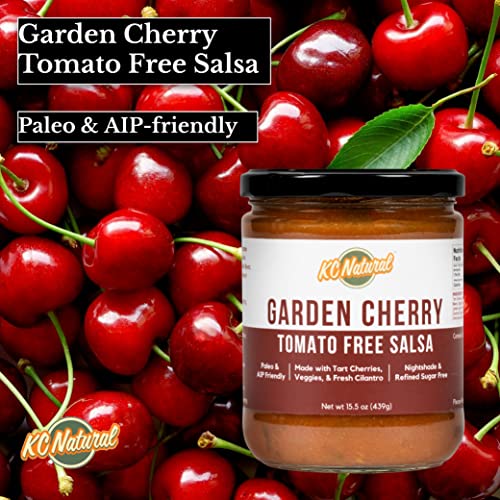
KC Natural - Garden Cherry Tomato Free Salsa - Nightshade Free - Paleo and AIP Friendly - 15.5 oz
Shop KC Natural - Garden Cherry Tomato Free Salsa - Nightshade Free - Paleo and AIP Friendly - 15.5 oz and other Snack Foods at Amazon.com. Free Shipping on Eligible Items
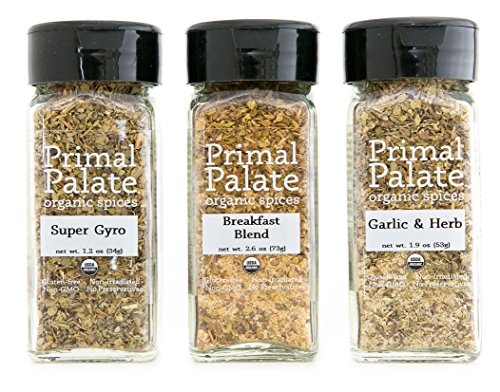
Primal Palate Organic Spices - Everyday AIP Blends 3-Bottle Gift Set
Amazon.com : Primal Palate Organic Spices - Everyday AIP Blends 3-Bottle Gift Set : Grocery & Gourmet Food
Evidence & Sources
Early-stage research, mostly preclinical or preliminary human studies
- National Center for Complementary and Integrative Health (NCCIH)
- National Institutes of Health Office of Dietary Supplements
- Harvard T.H. Chan School of Public Health
- Arthritis Foundation
- Nutrients
- Advances in Nutrition
- The American Journal of Clinical Nutrition
- Frontiers in Nutrition
This content is for informational purposes only and does not constitute medical advice. Always consult a qualified healthcare provider before starting, stopping, or changing any supplement or medication regimen.