

MIND Diet
Also known as: Mind diet, Brain health diet, Mediterranean-DASH Intervention for Neurodegenerative Delay
Overview
The MIND diet—short for Mediterranean-DASH Intervention for Neurodegenerative Delay—is a dietary pattern developed to emphasize foods associated with brain health, cognitive resilience, and healthy aging. It draws from two well-known eating models: the Mediterranean diet, which has long been associated with cardiovascular and metabolic benefits, and the DASH diet (Dietary Approaches to Stop Hypertension), which was originally designed to support healthy blood pressure. The MIND framework narrows the focus further by prioritizing foods that observational research has linked to memory support and lower risk of cognitive decline.
Core foods highlighted in this pattern commonly include leafy green vegetables, other vegetables, berries, nuts, beans, whole grains, fish, olive oil, and moderate intake of certain other minimally processed foods. It also places relative emphasis on limiting dietary patterns associated with poorer cardiometabolic health, such as frequent intake of fried foods, highly processed foods, butter, pastries and sweets, and some forms of red or heavily processed meats. In practice, the MIND diet is often described less as a rigid regimen and more as a long-term eating pattern centered on nutrient density and food quality.
Interest in the MIND diet has grown because cognitive aging and dementia risk are major public health concerns worldwide. Research suggests that dietary patterns influencing vascular health, inflammation, oxidative stress, and metabolic function may also affect brain aging. Since the brain depends on steady blood flow, balanced glucose regulation, lipid homeostasis, and protection from chronic inflammatory burden, dietary models like MIND are often discussed as part of a broader lifestyle context that may include physical activity, sleep, social engagement, and management of cardiovascular risk factors.
Although the MIND diet is widely discussed in connection with Alzheimer’s disease prevention, memory preservation, and healthy aging, the evidence is still evolving. Much of the early literature comes from observational cohort studies, which can identify associations but cannot prove cause and effect. Even so, the overall concept is considered biologically plausible because many MIND-aligned foods supply nutrients and compounds—such as polyphenols, omega-3 fatty acids, folate, vitamin E, carotenoids, and fiber—that have been studied for roles in neuronal health, vascular function, and oxidative balance. For individuals exploring dietary approaches for long-term wellness, the MIND diet is commonly framed as a brain-supportive extension of established heart-healthy eating principles rather than as a stand-alone medical intervention.
Medical Perspectives
Two Ways of Seeing Health

Western
scientific · clinical
Western medicine applies science, technology, and clinical experience to treat symptoms through testing, diagnosis, and targeted intervention.

Eastern
traditional · alternative
Eastern medicine focuses on treating the body naturally by applying traditional knowledge practiced for thousands of years, emphasizing balance and whole-person wellness.
Gold Bamboo presents both perspectives side-by-side so you can make informed decisions. We don't advocate for one over the other — your health choices are yours.
Western Medicine Perspective
Western Medicine Perspective
From a conventional medicine standpoint, the MIND diet is primarily understood as a preventive dietary pattern that may help support cognitive health through cardiometabolic pathways. Western research often examines it through the lens of epidemiology, nutrition science, neurology, and preventive medicine. Studies indicate that greater adherence to the MIND diet is associated in some populations with slower cognitive decline, better performance on some memory-related measures, and a lower incidence of Alzheimer’s disease or dementia-related outcomes. However, these findings are strongest in observational settings, and the degree of benefit can vary across studies.
Potential mechanisms discussed in the medical literature include reduced vascular injury, lower systemic inflammation, improved endothelial function, better blood pressure and lipid control, and protection against oxidative stress. Foods emphasized in the MIND pattern may also contribute nutrients relevant to brain structure and function. For example, leafy greens provide folate, vitamin K, lutein, and other phytochemicals; berries are rich in flavonoids and anthocyanins; fish contributes omega-3 fatty acids; and olive oil supplies monounsaturated fats and polyphenols. Conventional medicine generally views the diet’s brain-related promise as interconnected with its support for heart and vascular health, reflecting the strong relationship between cardiovascular disease and cognitive decline.
At the same time, conventional clinicians and researchers typically note important limitations. The MIND diet is not considered a treatment for dementia, and no dietary pattern can fully eliminate neurodegenerative risk. Outcomes may be influenced by confounding factors such as education, physical activity, socioeconomic status, sleep, and overall health behavior patterns. Current evidence is therefore often interpreted as supportive but not definitive. People with complex medical conditions, malnutrition risk, swallowing issues, chronic kidney disease, diabetes, or diagnosed cognitive disorders are generally best served by discussing major dietary changes with qualified healthcare professionals, including physicians or registered dietitians.
Eastern & Traditional Perspective
Eastern / Traditional Medicine Perspective
In Traditional Chinese Medicine (TCM) and related East Asian food-therapy traditions, cognitive vitality is often understood within a broader framework of nourishing the mind, supporting essence, and maintaining harmony among organ systems rather than isolating the brain as a separate target. Memory, clarity, and concentration may be discussed in relation to the Heart, Spleen, and Kidney systems, along with the smooth flow of qi and blood. From this perspective, a food pattern resembling the MIND diet may be viewed favorably because it emphasizes whole foods, plant diversity, moderate fats, and reduced intake of greasy, overly rich, or heavily processed items, all of which are traditionally associated with preserving balance and avoiding internal stagnation or dampness.
Foods such as leafy greens, legumes, nuts, berries, fish, and olive oil can be interpreted in traditional frameworks as nourishing while remaining relatively light and supportive of circulation. TCM food therapy often values meals that sustain digestion and generate adequate qi and blood over time, since cognitive fog and fatigue are sometimes linked to weakness in postnatal nourishment. At the same time, traditional systems usually individualize food choices according to constitution, digestion, climate, age, and symptom patterns. For that reason, a standard dietary template like MIND may be seen as broadly health-promoting but still requiring adaptation in real-world traditional practice.
In Ayurveda, brain and nervous system health may be considered through the balance of doshas, especially the stability of vata, alongside the quality of digestion (agni) and tissue nourishment. A MIND-like pattern rich in colorful plants, healthy fats, legumes, and fish may align with Ayurvedic ideas of promoting sattvic, steady nourishment when foods are fresh, minimally processed, and compatible with the individual’s constitution. Naturopathic and integrative traditions similarly tend to emphasize the role of anti-inflammatory foods, metabolic balance, digestive health, and oxidative resilience in healthy aging. These systems often converge with modern nutrition principles even when the explanatory language differs.
It is important to note that traditional medicine support for the MIND diet is largely conceptual and practice-based rather than established through direct classical references or large traditional clinical trials on the named diet itself. In integrative settings, the pattern is often appreciated because it overlaps with long-standing principles of seasonal, whole-food, minimally processed eating and because it can be incorporated into broader lifestyle approaches that include sleep, movement, stress regulation, and individualized constitutional care.
Supplements & Products
Recommended Products
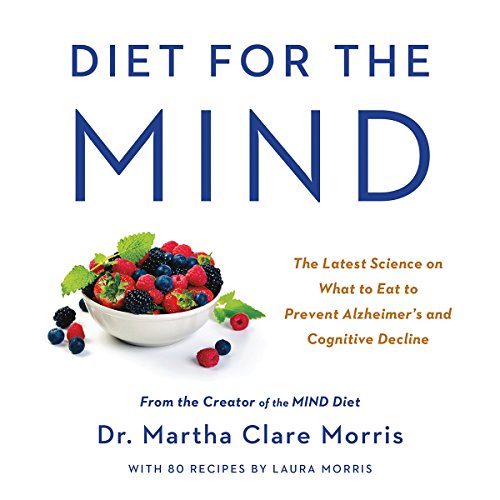
Diet for the MIND: The Latest Science on What to Eat to Prevent Alzheimer's and Cognitive Decline - From the Creator of the MIND Diet: Morris, Dr. Martha Clare
Diet for the MIND: The Latest Science on What to Eat to Prevent Alzheimer's and Cognitive Decline - From the Creator of the MIND Diet [Morris, Dr. Martha Clare] on Amazon.com. *FREE* shipping on
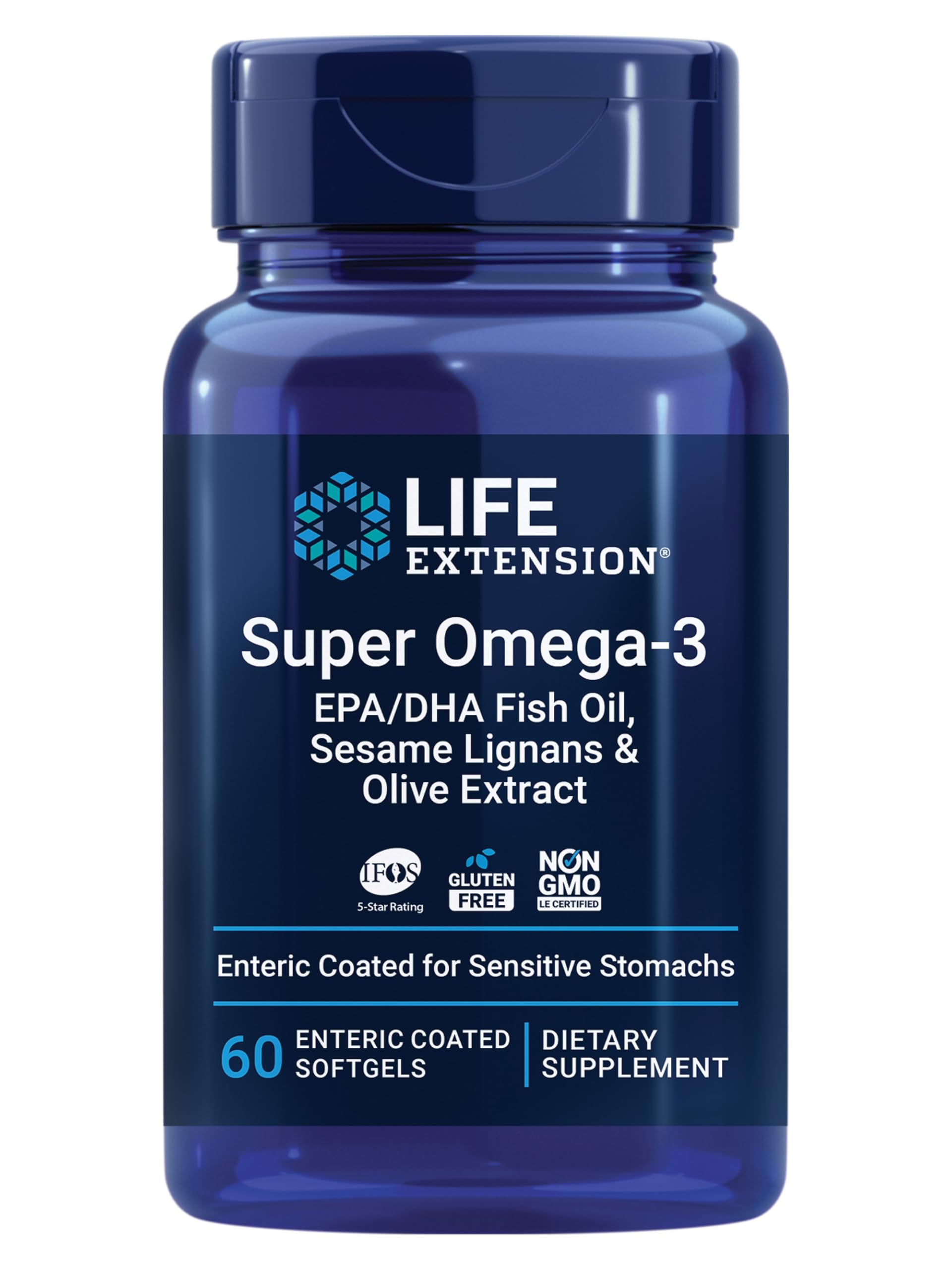
Life Extension Super Omega-3 EPA/DHA Fish Oil, Sesame Lignans & Olive Extract – Heart Health, Brain Health, Inflammation Health Support, Gluten-Free, Easy to Swallow, Non-GMO, 240 Softgels
Buy Life Extension Super Omega-3 EPA/DHA Fish Oil, Sesame Lignans & Olive Extract – Heart Health, Brain Health, Inflammation Health Support, Gluten-Free, Easy to Swallow, Non-GMO, 240 Softgels on

OXO Good Grips Salad Spinner | Lettuce Spinner | Fruit Washer | Fruit Washing Bowl with Strainer | Vegetable Cleaner | Salad Cleaner | Lettuce Washer | 6.22 Quart Capacity
OXO Good Grips Glass Salad Spinner - Large 6.22-Qt Lettuce & Fruit Washer, Borosilicate Glass Bowl, BPA-Free, Easy Pump
Evidence & Sources
Promising research with growing clinical support from multiple studies
- Alzheimer's & Dementia
- Neurology
- National Institute on Aging (NIH)
- National Center for Complementary and Integrative Health (NCCIH)
- JAMA
- The New England Journal of Medicine
- World Health Organization (WHO)
- Harvard T.H. Chan School of Public Health
This content is for informational purposes only and does not constitute medical advice. Always consult a qualified healthcare provider before starting, stopping, or changing any supplement or medication regimen.